Pinus merkusii
Pinus merkusii · Accepted scientific name
Scientific literature: Very Sparse (0 studies) · ★☆☆☆☆
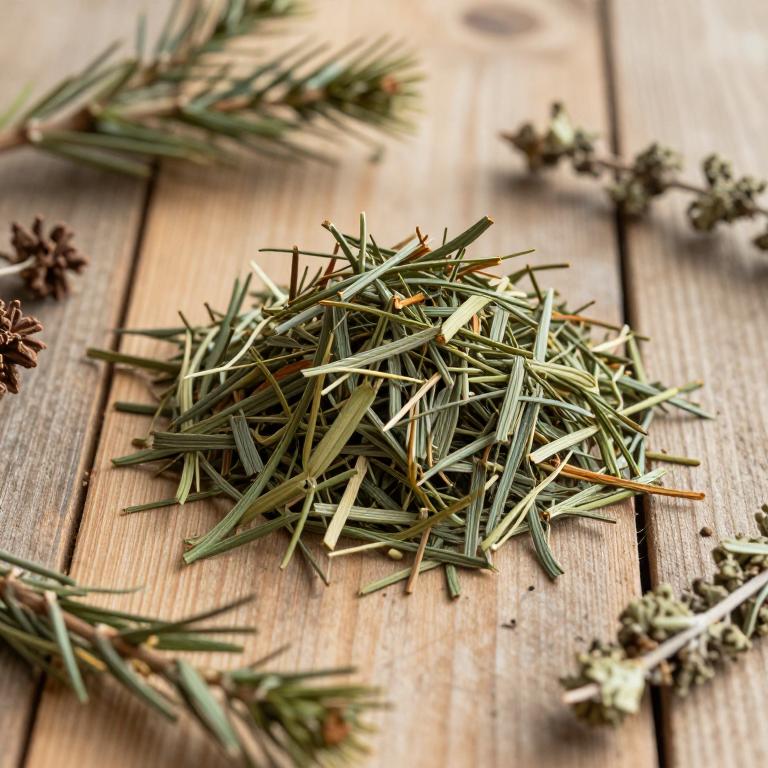
Pinus merkusii, commonly known as the Sumatran pine, serves as a vital component of tropical forest ecosystems throughout Southeast Asia. Its towering presence commands the eyes of observers who marvel at its resilient needles and distinctive bark. The gentle rustling of its canopy provides a soothing melody for the ears of those trekking through its groves. Deep within its resinous heart, the plant holds chemical properties that can soothe irritated throats when processed correctly. Understanding this species requires a sensory connection to the very landscape it defines.
- Synonyms
- Pinus Sumatrana · Pinus Ustulata · 1 more
- Common names
- Not available
- Family
- Pinaceae
- Distribution
- Not available
- Plant Parts
- Not available
Classification
Common Names
Pinus merkusii is a versatile species known by a variety of distinct local and international names. In certain regions, it is affectionately referred to as Damar Batu or Damar Bunga. Travelers and botanists may also encounter it under the moniker Merkus pine. Furthermore, the tree is frequently identified as Merkus Kiefer or Merkus' Kiefer in various scientific and regional contexts. These diverse common names highlight the widespread recognition of this important coniferous plant.
Sources: Catalogue of Life (COL)
Synonyms
Pinus merkusii is a complex species that has been documented under several different scientific names throughout botanical history. Taxonomists have previously identified this tree using the synonyms Pinus sumatrana and Pinus ustulata. Furthermore, the classification has also included the more specific designation of Pinus merkusii subsp. ustulata. These various nomenclatures highlight the evolving understanding of the species' genetic and morphological traits. Recognizing these synonyms is essential for researchers seeking to maintain consistency in botanical literature.
Sources: The World Checklist of Vascular Plants (WCVP)
Taxonomy
Pinus merkusii is a remarkable organism that belongs to the vast kingdom Plantae. Within this biological realm, it is classified under the class Equisetopsida. The species is further organized into the order Pinales, showcasing its evolutionary lineage. It falls under the specific genus Pinus, which defines its core structural characteristics. Finally, its botanical identity is solidified by its membership in the Pinaceae family.
| Rank | Classification |
|---|---|
| Kingdom | Plantae |
| Phylum | Streptophyta |
| Class | Equisetopsida |
| Subclass | Pinidae |
| Order | Pinales |
| Family | Pinaceae |
| Genus | Pinus |
Sources: The World Checklist of Vascular Plants (WCVP)
Distribution
Geographic Regions
Pinus merkusii is a significant coniferous species with an expansive footprint across the tropical regions of Asia. Its natural distribution is particularly concentrated within the Malesia botanical region, where it plays a vital role in local ecosystems. In the Philippines, this tree can be found thriving in diverse tropical landscapes. Similarly, it maintains a strong presence across the island of Sumatera, anchoring various forest communities. These widespread geographic relationships highlight the plant's importance to the biodiversity of the Southeast Asian tropics.
Sources: The World Checklist of Vascular Plants (WCVP)
Identification
Morphology
Pinus merkusii is a self-supporting species that takes the form of a substantial tree. This plant can reach a significant stature, with a maximum height of approximately 50 meters. Its robust growth habit allows it to stand prominently within its natural habitat.
Sources: Global Inventory of Floras and Traits (GIFT)
Biological Activities
Compounds
Conditions
Pinus merkusii is recognized for its significant medicinal value in traditional healing practices. This plant species is utilized to treat various afflictions of the skin. It also serves as a remedy for ailments affecting the ears. Furthermore, the plant is employed to address issues related to the eyes. Finally, Pinus merkusii is used as a treatment for various throat conditions.