Pinus kesiya var. langbianensis
Pinus kesiya var. langbianensis · Accepted scientific name
Scientific literature: Sparse (70 studies) · ★★☆☆☆
scientifically known as Pinus kesiya var. langbianensis, is a unique coniferous variety native to the highland regions of Southeast Asia. Renowned for its distinct morphological features, this plant is increasingly recognized in ethnobotanical studies for its potential therapeutic properties and significant ecological importance within subtropical montane forest ecosystems.
- Family
- Not available
- Native range
- Asia-Temperate
- Parts used
- Not available
- Common names
- Not available
- Scientific synonyms
- Not available
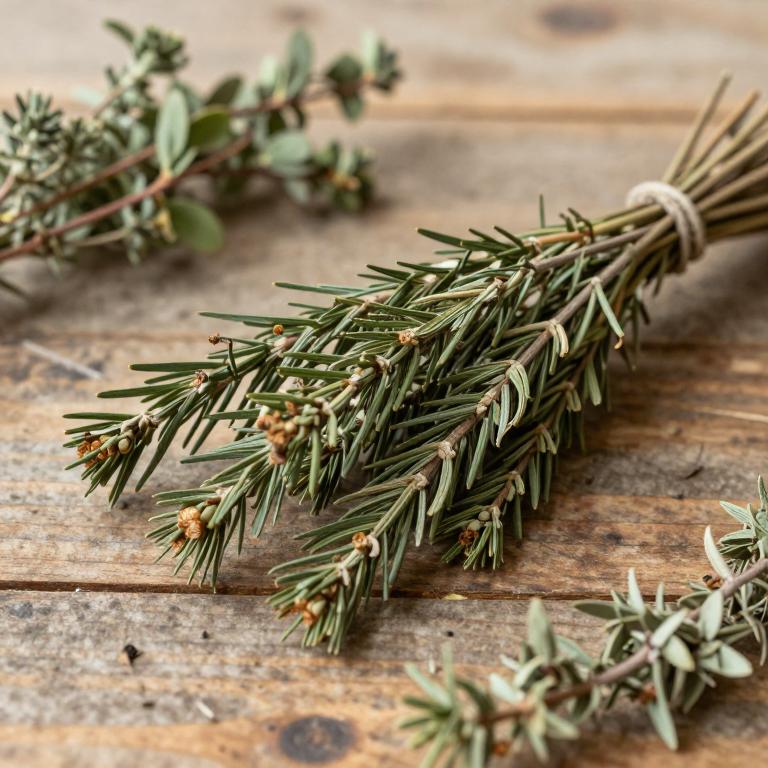
Names and Synonyms
Scientific Names
Accepted name
Pinus kesiya var. langbianensisDistribution
This plant exhibits a broad geographical distribution across several key regions in Asia. Within China, it is specifically located in the South-Central areas. Its presence extends significantly into the Indo-China region, where it can be found in Laos, Thailand, and Vietnam. Additionally, the species reaches into the Malesia region, specifically inhabiting the Philippines. Together, these locations highlight the diverse habitats where this medicinal variety thrives.
| Region | Area |
|---|---|
| China | China South-Central |
| Indo-China | Laos |
| Indo-China | Thailand |
| Indo-China | Vietnam |
| Malesia | Philippines |
Sources: The World Checklist of Vascular Plants (WCVP)
Chemicals
Pinus kesiya var. langbianensis has 7 reported phytochemicals identified across 0 scientific publications and several other databases. The most consistently reported chemicals include ABIETIC ACID, ALPHA-PINENE, BETA-PINENE, CAMPHENE, LONGIFOLENE.
| Chemical | Supporting sources | Consensus |
|---|---|---|
| ABIETIC ACID | 1 supporting sources | ★☆☆☆☆ |
| ALPHA-PINENE | 1 supporting sources | ★☆☆☆☆ |
| BETA-PINENE | 1 supporting sources | ★☆☆☆☆ |
| CAMPHENE | 1 supporting sources | ★☆☆☆☆ |
| LONGIFOLENE | 1 supporting sources | ★☆☆☆☆ |
| TURPENTINE | 1 supporting sources | ★☆☆☆☆ |
| Tannin | 1 supporting sources | ★☆☆☆☆ |
ABIETIC ACID
- Dr. Duke
ALPHA-PINENE
- Dr. Duke
BETA-PINENE
- Dr. Duke
CAMPHENE
- Dr. Duke
LONGIFOLENE
- Dr. Duke
TURPENTINE
- Dr. Duke
Tannin
- Dr. Duke
Activities
Pinus kesiya var. langbianensis has 63 reported activities identified across 0 scientific publications and several other databases. The most consistently reported activities include Allelochemic, Allelopathic, Allergenic, Anthelmintic, AntiHIV.
| Activity | Supporting sources | Consensus |
|---|---|---|
| Allelochemic | 1 supporting sources | ★☆☆☆☆ |
| Allelopathic | 1 supporting sources | ★☆☆☆☆ |
| Allergenic | 1 supporting sources | ★☆☆☆☆ |
| Anthelmintic | 1 supporting sources | ★☆☆☆☆ |
| AntiHIV | 1 supporting sources | ★☆☆☆☆ |
| Antiacne | 1 supporting sources | ★☆☆☆☆ |
| Antibacterial | 1 supporting sources | ★☆☆☆☆ |
| Anticancer | 1 supporting sources | ★☆☆☆☆ |
| Anticariogenic | 1 supporting sources | ★☆☆☆☆ |
| Antidiarrheic | 1 supporting sources | ★☆☆☆☆ |
Allelochemic
- Dr. Duke
Allelopathic
- Dr. Duke
Allergenic
- Dr. Duke
Anthelmintic
- Dr. Duke
AntiHIV
- Dr. Duke
Antiacne
- Dr. Duke
Antibacterial
- Dr. Duke
Anticancer
- Dr. Duke
Anticariogenic
- Dr. Duke
Antidiarrheic
- Dr. Duke