Pinus elliottii var. elliottii
Pinus elliottii var. elliottii · Accepted scientific name
Scientific literature: Very Sparse (0 studies) · ★☆☆☆☆
Pinus elliottii var. elliottii, commonly known as the slash pine, serves as a fascinating subject for biochemical study. Researchers are particularly interested in the complex lignins found within its structural components. By utilizing specialized pine cone extracts, scientists can isolate these essential organic compounds for further analysis. These studies often examine how the plant interacts with reactive species, such as the superoxide anion, under various environmental conditions. Understanding these chemical processes provides valuable insights into the resilience and biological makeup of this coniferous species.
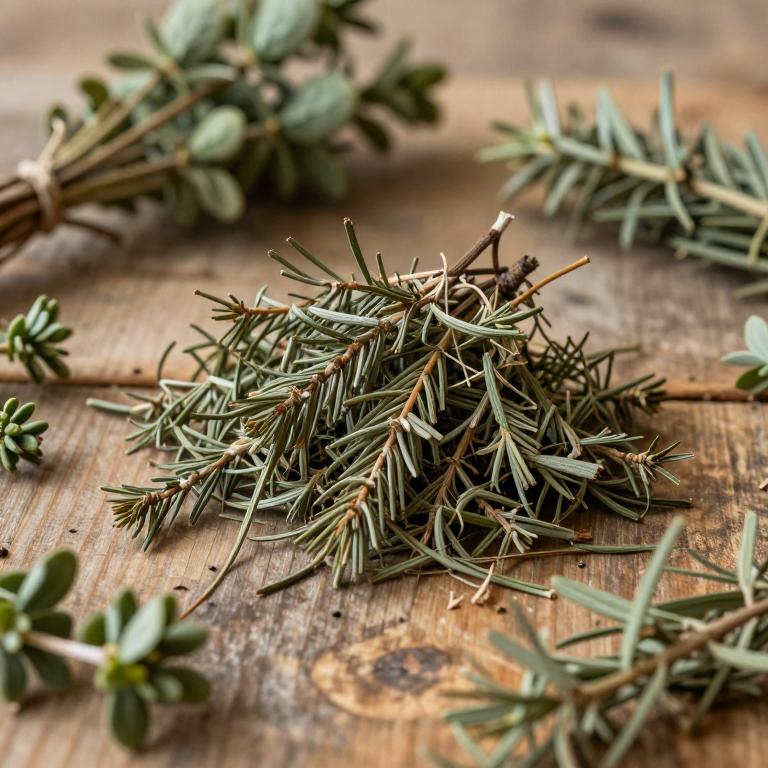
- Synonyms
- Pinus Taeda Var. Heterophylla
- Common names
- Not available
- Family
- Pinaceae
- Distribution
- Southern America
- Plant Parts
- Not available
Classification
Common Names
Pinus elliottii var. elliottii is a distinctive botanical variety that is recognized by several different names. Among its most frequent monikers, it is widely known as the Typical Slash Pine. In certain specialized contexts, the plant is also referred to by the common name Elliotti-den. These varying designations help researchers and enthusiasts identify the specific characteristics of this subspecies. Understanding these naming relationships is essential for anyone studying the diverse classification of pine species.
Sources: Catalogue of Life (COL)
Synonyms
Pinus elliottii var. elliottii is a specific variety of pine that is often discussed within the context of botanical classification. In various taxonomic records, this plant is also identified by the synonym Pinus taeda var. heterophylla. Understanding these overlapping names is essential for researchers tracking the genetic lineage of the species. Such nomenclature shifts often reflect evolving scientific perspectives on how different pine varieties are related. Consequently, recognizing both terms ensures clarity when studying the complex botanical relationships within the genus.
Sources: The World Checklist of Vascular Plants (WCVP)
Taxonomy
Pinus elliottii var. elliottii belongs to the vast kingdom Plantae, marking its place among the world's diverse vegetation. Within this biological realm, it is classified under the class Equisetopsida and the order Pinales. This specific variety is a distinguished member of the Pinaceae family, showcasing unique evolutionary traits. Furthermore, it is nested within the well-known genus Pinus, which connects it to many other iconic pine species. Understanding these taxonomic relationships helps clarify the botanical identity of this particular plant.
| Rank | Classification |
|---|---|
| Kingdom | Plantae |
| Phylum | Streptophyta |
| Class | Equisetopsida |
| Subclass | Pinidae |
| Order | Pinales |
| Family | Pinaceae |
| Genus | Pinus |
Sources: The World Checklist of Vascular Plants (WCVP)
Distribution
Geographic Regions
Pinus elliottii var. elliottii exhibits a remarkably wide geographical range that spans across several continents. In Africa, this variety can be found throughout the Free State region of Southern Africa as well as on the island of Mauritius in the Western Indian Ocean. Its presence extends to Australasia, where it has successfully established itself in the Australian states of New South Wales and Queensland. Furthermore, the species maintains a significant foothold in Northern America within the Southeastern United States, specifically in Alabama. This diverse distribution highlights the plant's ability to adapt to varied environmental conditions across the globe.
Sources: The World Checklist of Vascular Plants (WCVP)
Identification
Biological Activities
Compounds
Pinus elliottii var. elliottii contains lignins that can be extracted from its pine cones for various biological applications. Research utilizing ESR spectroscopy has demonstrated that these lignins exhibit significant radical modulation activity, particularly under alkaline conditions. These compounds have shown a remarkable ability to scavenge superoxide anions and modulate the activity of sodium ascorbate. Furthermore, the lignins found in this pine variety can inhibit HIV-induced cytopathic effects and provide protection against lethal E. coli infections in animal models. Such findings highlight the profound medicinal efficacy inherent in the plant's chemical constituents.
Conditions
Pinus elliottii var. elliottii demonstrates significant medicinal potential through its ability to treat the cytotoxic activity of sodium ascorbate at higher concentrations. The plant's lignins also play a role in treating the radical intensity of sodium ascorbate by modulating its radical modulation activity. Furthermore, these extracts are effective in treating the human immunodeficiency virus (HIV)-induced cytopathic effect. The plant also provides protection when used to treat lethal infection with E. coli in murine models. Finally, the lignins from this species effectively treat superoxide anion by scavenging it during chemical reactions.
Preparations
Pinus elliottii var. elliottii is prepared as pine cone extracts to investigate the radical modulation activity of its lignins. These specific extracts contain lignins that produce radicals under alkaline conditions, with intensity increasing as the pH rises. When applied to sodium ascorbate, the lignins can either slightly reduce or significantly enhance radical intensity and cytotoxic activity depending on their concentration. Beyond radical modulation, these extracts effectively scavenge superoxide anions and show promise in inhibiting HIV-induced cytopathic effects. Furthermore, the medicinal efficacy of these prepared extracts is evidenced by their ability to protect against lethal E. coli infections.