Pinus cembroides
Pinus cembroides · Accepted scientific name
Scientific literature: Very Extensive (221 studies) · ★★★★★
Pinus cembroides, scientifically known as Pinus cembroides, is a resilient coniferous species native to the Mediterranean and Middle Eastern regions. Highly valued for its aromatic resin and essential oils, this plant holds significant ethnobotanical importance, offering diverse therapeutic properties used in traditional medicine to treat various inflammatory conditions.
- Family
- Not available
- Native range
- Northern America
- Parts used
- Not available
- Common names
- Not available
- Scientific synonyms
- Not available
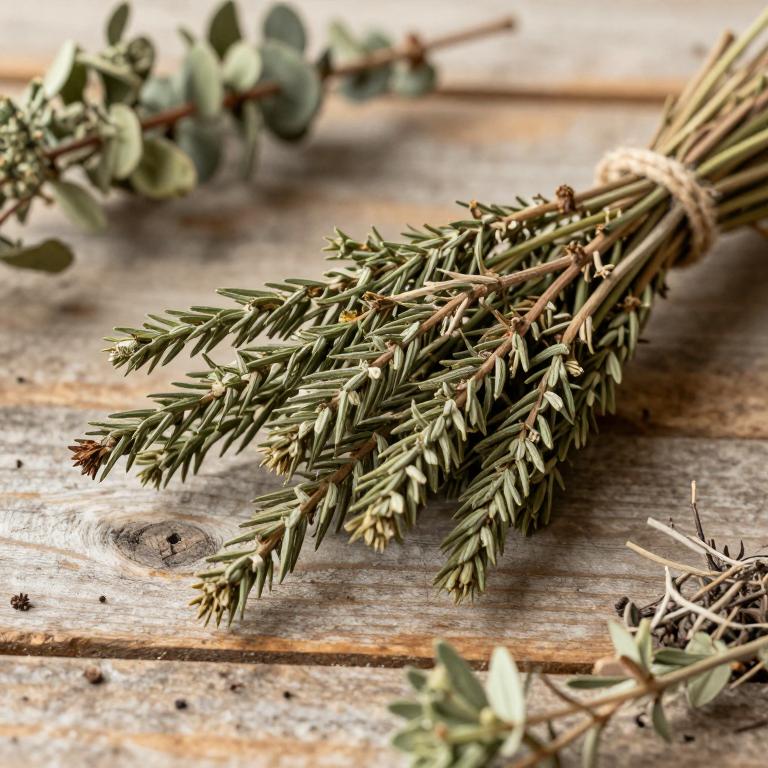
Names and Synonyms
Scientific Names
Accepted name
Pinus cembroidesDistribution
This plant exhibits a wide distribution across several regions of North America. In the Southwestern United States, it can be found growing in Arizona. Its range extends into the South-Central United States, specifically within New Mexico and Texas. Moving southward, the species is well-established in Mexico Central. Additionally, it is distributed throughout the Northeast region of Mexico.
| Region | Area |
|---|---|
| Southwestern U.S.A. | Arizona |
| South-Central U.S.A. | New Mexico |
| South-Central U.S.A. | Texas |
| Mexico | Mexico Central |
| Mexico | Mexico Northeast |
| Mexico | Mexico Gulf |
| Mexico | Mexico Northwest |
Sources: The World Checklist of Vascular Plants (WCVP)
Botanical Identification
Life history
The life history of Pinus cembroides is characterized by its classification as a perennial species, meaning it maintains its vegetative structures and survives for many years throughout its existence. As a phanerophyte, the plant's regenerative buds are located high above the ground on woody branches, a structural adaptation that allows it to thrive in its specific ecological niche. This phanerophyte life form ensures that the plant's vital growing points are protected and elevated, facilitating its long-term growth and reproductive capabilities within its habitat.
- Life form :
- phanerophyte
- Lifecycle :
- perennial
Morphology
The morphology of Pinus cembroides is characterized by its growth form as a woody tree, typically reaching an average height of approximately 7.6 m. As a terrestrial species, it does not exhibit aquatic or semiaquatic tendencies, nor does it function as an epiphyte. The plant is strictly self-supporting rather than acting as a climber, liana, or vine, and it maintains an independent life cycle without being a parasite. Its structural integrity is defined by its woody nature, which supports its upright, tree-like stature.
- Aquatic :
- terrestrial
- Climber :
- self-supporting
- Epiphyte :
- terrestrial
- Growth form :
- tree
- Parasite :
- independent
- Plant height mean:
- 7.6 m
- Woodiness :
- woody
Physiology
The physiology of Pinus cembroides is characterized by specialized adaptations to high-altitude, often arid environments, where efficient resource management is critical for survival. As a gymnosperm, its metabolic framework is governed by a C3 photosynthetic pathway, utilizing the Calvin cycle to fix carbon dioxide through the enzyme RuBisCO. To mitigate the risks of transpiration and water loss inherent to this pathway in Mediterranean or montane climates, the plant employs xerophytic physiological strategies, such as thick waxy cuticles on its needle-like leaves and sunken stomata that create a boundary layer to reduce evaporative demand. Its vascular physiology is optimized for the transport of water and nutrients through tracheids, which provide structural support and facilitate hydraulic conductance under varying temperature regimes. Furthermore, the plant exhibits robust secondary metabolism, producing various terpenoids and resinous compounds that serve physiological roles in defense against herbivory and environmental stressors, while its nutrient uptake and assimilation are finely tuned to the nutrient-poor, often acidic soils characteristic of its natural habitat.
- Photosynthetic pathway :
- C3
Reproduction
Reproduction in Pinus cembroides is characterized by the production of seeds that exhibit specific morphological weight characteristics essential for its dispersal and establishment. The seed mass within this species shows a measurable range of variability, with a recorded minimum mass of 0.25 g and a maximum mass reaching up to 0.41667 g. On average, the seed mass is approximately 0.2864988915 g, a metric that reflects the energy investment per propagule and influences the plant's reproductive success within its ecological niche.
- Seed mass max:
- 0.41667 g
- Seed mass mean:
- 0.2864988915 g
- Seed mass min:
- 0.25 g
Sources: Global Inventory of Floras and Traits (GIFT)
Chemicals
Pinus cembroides has 12 reported phytochemicals identified across 0 scientific publications and several other databases. The most consistently reported chemicals include Ash, CALCIUM, FAT, IRON, PHOSPHORUS.
| Chemical | Supporting sources | Consensus |
|---|---|---|
| Ash | 1 supporting sources | ★☆☆☆☆ |
| CALCIUM | 1 supporting sources | ★☆☆☆☆ |
| FAT | 1 supporting sources | ★☆☆☆☆ |
| IRON | 1 supporting sources | ★☆☆☆☆ |
| PHOSPHORUS | 1 supporting sources | ★☆☆☆☆ |
| Salicylates | 1 supporting sources | ★☆☆☆☆ |
| ascorbic acid | 1 supporting sources | ★☆☆☆☆ |
| beta-carotene | 1 supporting sources | ★☆☆☆☆ |
| niacin | 1 supporting sources | ★☆☆☆☆ |
| riboflavin | 1 supporting sources | ★☆☆☆☆ |
Ash
- Dr. Duke
CALCIUM
- Dr. Duke
FAT
- Dr. Duke
IRON
- Dr. Duke
PHOSPHORUS
- Dr. Duke
Salicylates
- Dr. Duke
ascorbic acid
- Dr. Duke
beta-carotene
- Dr. Duke
niacin
- Dr. Duke
riboflavin
- Dr. Duke
Activities
Pinus cembroides has 209 reported activities identified across 0 scientific publications and several other databases. The most consistently reported activities include Acidulant, Aldose-Reductase-Inhibitor, Allergenic, Analgesic, Androgenic?.
| Activity | Supporting sources | Consensus |
|---|---|---|
| Acidulant | 1 supporting sources | ★☆☆☆☆ |
| Aldose-Reductase-Inhibitor | 1 supporting sources | ★☆☆☆☆ |
| Allergenic | 1 supporting sources | ★☆☆☆☆ |
| Analgesic | 1 supporting sources | ★☆☆☆☆ |
| Androgenic? | 1 supporting sources | ★☆☆☆☆ |
| Angiotensin-Receptor-Blocker | 1 supporting sources | ★☆☆☆☆ |
| AntiAGE | 1 supporting sources | ★☆☆☆☆ |
| AntiCFS | 1 supporting sources | ★☆☆☆☆ |
| AntiCTS | 1 supporting sources | ★☆☆☆☆ |
| AntiCrohn's | 1 supporting sources | ★☆☆☆☆ |
Acidulant
- Dr. Duke
Aldose-Reductase-Inhibitor
- Dr. Duke
Allergenic
- Dr. Duke
Analgesic
- Dr. Duke
Androgenic?
- Dr. Duke
Angiotensin-Receptor-Blocker
- Dr. Duke
AntiAGE
- Dr. Duke
AntiCFS
- Dr. Duke
AntiCTS
- Dr. Duke
AntiCrohn's
- Dr. Duke