Pimenta pseudocaryophyllus var. pseudocaryophyllus
Pimenta pseudocaryophyllus var. pseudocaryophyllus · Accepted scientific name
Scientific literature: Very Sparse (0 studies) · ★☆☆☆☆
Pimenta pseudocaryophyllus var. pseudocaryophyllus is a distinct botanical variety recognized for its unique chemical profile. The flowers of this plant serve as a primary source for several important bioactive compounds. Detailed analysis reveals the presence of specialized phytochemicals such as eugenyl beta-rutinoside and quercetin 3-o-glucopyranoside. Furthermore, the plant contains significant amounts of myricetin and quercetin 3-O-glucuronide. Understanding these specific chemical constituents provides valuable insight into the biological potential of this species.
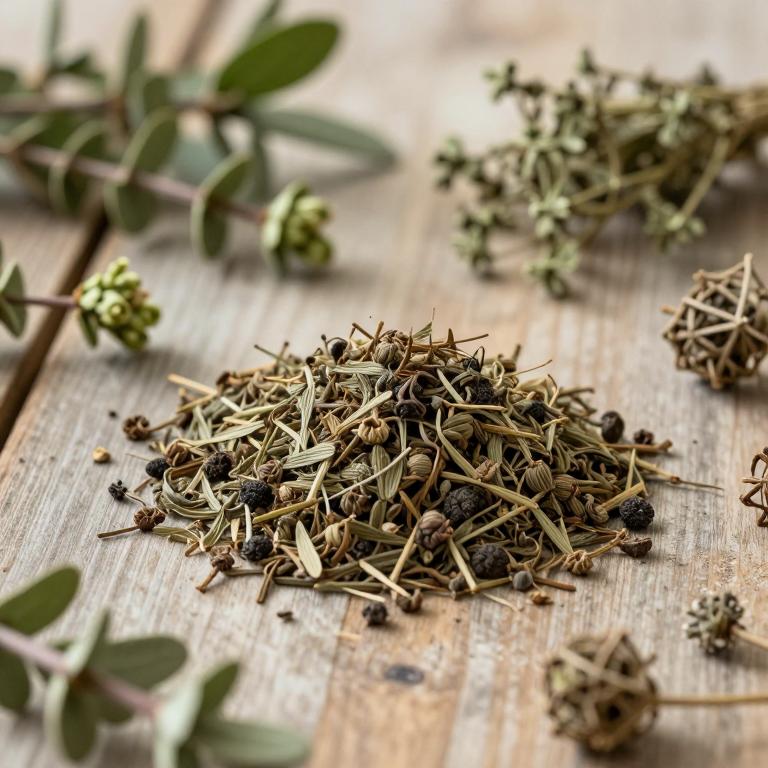
- Synonyms
- Eugenia Acuminata · Eugenia Caryophylla · 13 more
- Common names
- Not available
- Family
- Myrtaceae
- Distribution
- Not available
- Plant Parts
- Flower
Classification
Common Names
Pimenta pseudocaryophyllus var. pseudocaryophyllus is a botanical species recognized by several distinct regional and linguistic names. In various local contexts, it is frequently referred to as Chá-de-bugre or Craveiro-do-mato. It is also commonly known by the names Louro and Louro-cravo, reflecting its aromatic characteristics. Beyond these Portuguese designations, the plant is identified in Chinese as 大叶多香果. This variety of nomenclature highlights the diverse cultural and linguistic ways this single species is identified across the globe.
Sources: Catalogue of Life (COL)
Synonyms
Pimenta pseudocaryophyllus var. pseudocaryophyllus is a complex botanical taxon that is associated with several different scientific names. It is recognized by various synonyms, including the classifications Eugenia acuminata and Eugenia caryophylla. Furthermore, this variety is linked to the names Eugenia leandriana and Eugenia pseudocaryophyllus var. ocoteoides within botanical literature. The plant is also connected to the specific form known as Myrtus fulvescens f. glazioviana. Understanding these taxonomic relationships is essential for accurately identifying this species in diverse ecological studies.
Sources: The World Checklist of Vascular Plants (WCVP)
Taxonomy
Pimenta pseudocaryophyllus var. pseudocaryophyllus is a unique botanical specimen belonging to the vast kingdom Plantae. Within this kingdom, it is classified under the class Equisetopsida and the order Myrtales. It is further distinguished by its placement in the genus Pimenta, which highlights its specific evolutionary lineage. As a member of the Myrtaceae family, it shares characteristics with many other aromatic plants. Understanding these taxonomic relationships provides essential insight into the biological identity of this particular variety.
| Rank | Classification |
|---|---|
| Kingdom | Plantae |
| Phylum | Streptophyta |
| Class | Equisetopsida |
| Subclass | Magnoliidae |
| Order | Myrtales |
| Family | Myrtaceae |
| Genus | Pimenta |
Sources: The World Checklist of Vascular Plants (WCVP)
Distribution
Geographic Regions
Pimenta pseudocaryophyllus var. pseudocaryophyllus is a botanical variety primarily found within the vast landscapes of Southern America. Its natural habitat is most notably concentrated in Brazil, where it thrives in specific regional climates. Within this country, the plant maintains a significant presence throughout the southern territories. Furthermore, it can be frequently identified across the Southeast region of Brazil. This distribution pattern highlights the plant's specific ecological niche within the South American continent.
Sources: The World Checklist of Vascular Plants (WCVP)
Identification
Biological Activities
Compounds
Pimenta pseudocaryophyllus var. pseudocaryophyllus serves as a significant source of several important chemical constituents found within its flower buds. Recent studies involving aqueous extracts have successfully identified various bioactive compounds isolated through advanced chromatography techniques. Specifically, the plant contains eugenyl beta-rutinoside, which contributes to its complex chemical profile. Research also confirms the presence of myricetin, a notable flavonoid within the species. Furthermore, the identification of quercetin 3-O-glucuronide highlights the diverse phytochemical makeup of this particular variety.
Conditions
Preparations
Parts used
Pimenta pseudocaryophyllus var. pseudocaryophyllus is a plant species characterized by the presence of specific floral components. Recent research has focused on the aqueous chemical constituents found within the flower buds of the closely related Eugenia caryophylla. Through various chromatography techniques, including HP-20 resin and RP-C18 methods, scientists successfully isolated several key compounds from water extracts. These structural analyses, supported by NMR and MS evidence, identified unique substances such as quercetin-3-O-glucuronide and myricetin. Notably, several of these compounds have been isolated from this genus for the very first time.