Pilea mongolica
Pilea mongolica · Accepted scientific name
Scientific literature: Very Sparse (5 studies) · ★☆☆☆☆
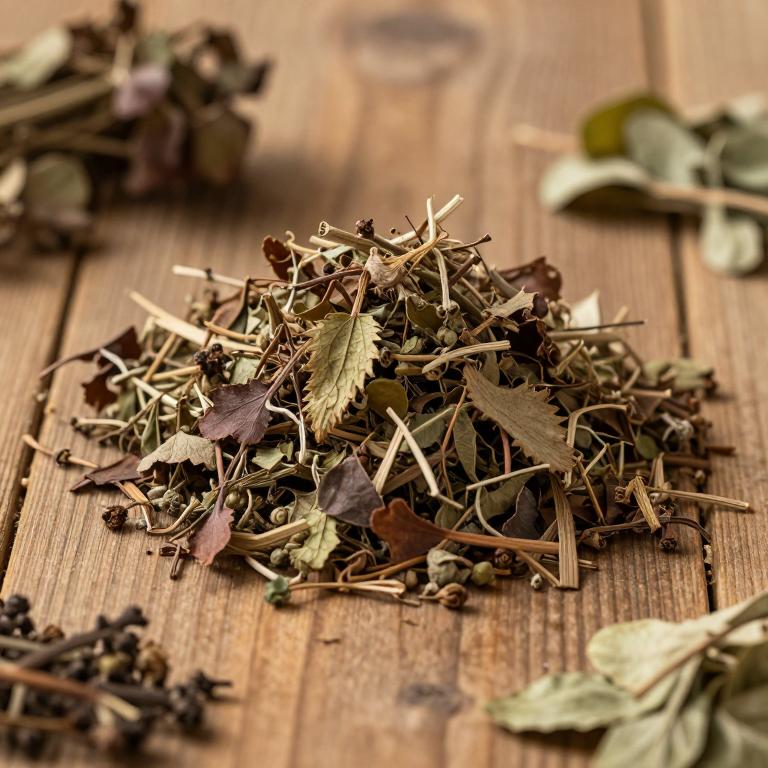
Pilea mongolica, scientifically known as Pilea mongolica, is a versatile medicinal herb native to East Asia. Renowned in traditional practices, this plant is frequently utilized for its anti-inflammatory and diuretic properties. It serves as a vital natural remedy, offering therapeutic benefits for various skin conditions and digestive health.
- Family
- Urticaceae
- Native range
- Asia-Temperate
- Parts used
- Not available
- Common names
- Not available
- Scientific synonyms
- Adicea Mongolica · Pilea Viridissima
Names and Synonyms
Scientific Names
Accepted name
Pilea mongolicaSynonyms
- Adicea mongolica
- Pilea viridissima
Sources: Wikidata
Taxonomical Classification
This plant belongs to the kingdom Plantae and is classified under the phylum Streptophyta and the class Equisetopsida. Within the subclass Magnoliidae, it is ordered as Rosalales and placed in the family Urticaceae. Finally, its specific taxonomic designation is within the genus Pilea.
| Rank | Classification |
|---|---|
| Kingdom | Plantae |
| Phylum | Streptophyta |
| Class | Equisetopsida |
| Subclass | Magnoliidae |
| Order | Rosales |
| Family | Urticaceae |
| Genus | Pilea |
Sources: The World Checklist of Vascular Plants (WCVP)
Distribution
This plant exhibits a broad geographical distribution across several distinct regions of Northeast Asia. In the vast territory of Siberia, it can be specifically located within the Buryatiya region. Its range extends into the Russian Far East, encompassing Khabarovsk, Primorye, and the Kuril Islands. Moving further south, the species is also well-established within the China South-Central region. Collectively, these locations highlight the plant's ability to thrive in diverse habitats across these territories.
| Region | Area |
|---|---|
| Siberia | Buryatiya |
| Russian Far East | Khabarovsk |
| Russian Far East | Kuril Is. |
| Russian Far East | Primorye |
| China | China South-Central |
| China | Inner Mongolia |
| China | Manchuria |
| China | China North-Central |
| China | China Southeast |
| China | Tibet |
Sources: The World Checklist of Vascular Plants (WCVP)
Botanical Identification
Ecology
The ecology of Pilea mongolica is closely tied to high-moisture environments, where it predominantly colonizes specialized niches such as meadows and shores. This species thrives in areas characterized by consistent water availability, specifically favoring wet meadowlands and the damp margins of shorelines. These habitats provide the necessary saturated soil conditions and hydrological stability required for its growth and survival. By occupying these transitional zones between aquatic and terrestrial landscapes, Pilea mongolica plays a role in the specialized community structures of moisture-rich ecosystems.
- Habitat :
- meadows: wet, shores
Life history
The life history of Pilea mongolica is characterized by its nature as a perennial plant, allowing it to persist through multiple growing seasons rather than completing its cycle in a single year. As a perennial species, it undergoes recurring cycles of growth, dormancy, and regeneration, which enables it to establish a stable presence within its natural habitat. This long-term survival strategy facilitates its ability to withstand seasonal fluctuations and colonize specific ecological niches over extended periods, distinguishing its developmental pattern from annual or biennial species.
- Lifecycle :
- perennial
Physiology
The physiology of Pilea mongolica is characterized by its metabolic efficiency and specialized adaptations to its environmental niche. Central to its energy production is its photosynthetic pathway, which follows the C3 mechanism, utilizing the Calvin cycle to fix atmospheric carbon dioxide into organic compounds. This C3 pathway involves the direct fixation of CO2 by the enzyme RuBisCO within the mesophyll cells, making the plant's metabolic processes highly dependent on maintaining optimal hydration and moderate temperature ranges to minimize photorespiration. Beyond carbon fixation, the plant exhibits physiological traits geared towards moisture regulation and nutrient uptake, often employing specific osmotic adjustments to survive varying soil conditions. Its physiological framework supports rapid vegetative growth and the maintenance of cellular homeostasis through integrated transpiration and stomatal control, ensuring that gas exchange is balanced with water conservation.
- Photosynthetic pathway :
- C3
Reproduction
The reproduction of Pilea mongolica is characterized by a specific seasonal flowering cycle that dictates its reproductive period. The plant initiates its flowering process during the month of July, marking the start of its reproductive phase. This period of floral development continues throughout the late summer months, eventually reaching its conclusion in September. Therefore, the reproductive window for this species is primarily concentrated in the mid-to-late summer season.
- Flowering time :
- Jul
- Flowering time :
- Sep
Sources: Global Inventory of Floras and Traits (GIFT)
Chemicals
Pilea mongolica has 2 reported phytochemicals identified across 0 scientific publications and several other databases. The most consistently reported chemicals include Corilagin, Geraniin.
| Chemical | Supporting sources | Consensus |
|---|---|---|
| Corilagin | 1 supporting sources | ★☆☆☆☆ |
| Geraniin | 1 supporting sources | ★☆☆☆☆ |
Corilagin
- International immunopharmacology
Geraniin
- International immunopharmacology
Conditions
Pilea mongolica has 2 reported investigations on conditions identified across 0 scientific publications and several other databases. The most consistently reported conditions include inflammation, itching.
| Condition | Supporting sources | Consensus |
|---|---|---|
| Inflammation | 1 supporting sources | ★☆☆☆☆ |
| Itching | 1 supporting sources | ★☆☆☆☆ |
Inflammation
- International immunopharmacology
Itching
- International immunopharmacology
Preparations
Pilea mongolica has 1 reported preparations identified across 0 scientific publications and several other databases. The most consistently reported preparations include methanol extract.
| Preparation | Supporting sources | Consensus |
|---|---|---|
| Methanol extract | 1 supporting sources | ★☆☆☆☆ |
Methanol extract
- International immunopharmacology