Picrolemma huberi
Picrolemma huberi · Accepted scientific name
Scientific literature: Very Sparse (0 studies) · ★☆☆☆☆
Picrolemma huberi is a botanical species recognized for its significant potential in traditional and modern pharmacology. Scientific investigations have highlighted its specific efficacy in addressing medicinal conditions such as malaria. Researchers often utilize ethanolic extracts to isolate the bioactive compounds responsible for these therapeutic effects. These preparations serve as a critical foundation for understanding the plant's complex chemical profile. Consequently, this species remains a subject of intense interest within the field of ethnopharmacology.
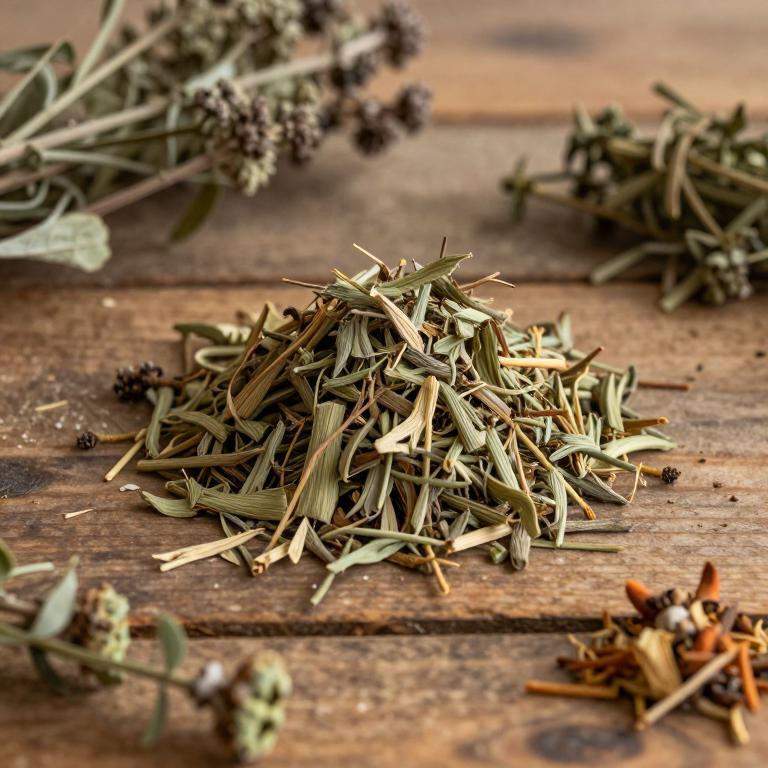
- Synonyms
- Cedronia Granatensis
- Common names
- Not available
- Family
- Simaroubaceae
- Distribution
- Asia-Temperate
- Plant Parts
- Not available
Classification
Common Names
Picrolemma huberi is a botanical species known by several distinct identifiers depending on the region. It is frequently referred to by the common name Cedron in certain botanical circles. Additionally, the plant is widely recognized by the name Maldivio in other local contexts. These overlapping names reflect the diverse ways in which this species is classified by different communities. Understanding these various common names is essential for accurate identification and study of the plant.
Sources: Catalogue of Life (COL)
Synonyms
Picrolemma huberi is a botanical species that is frequently identified in scientific literature under a different name. Specifically, this plant is recognized by the synonym Cedronia granatensis in various taxonomic records. Understanding these nomenclatural links is essential for researchers tracking the plant's distribution and properties. Such synonymy ensures that information regarding its medicinal or ecological uses remains consistent across different databases. Consequently, recognizing both names allows for a more accurate study of this particular species.
Sources: The World Checklist of Vascular Plants (WCVP)
Taxonomy
Picrolemma huberi is a distinct botanical organism belonging to the kingdom Plantae. Within this vast biological realm, it is classified under the class Equisetopsida. The plant further belongs to the order Sapindales, showcasing its evolutionary connections. It is specifically nested within the family Simaroubaceae, a group known for its unique characteristics. Finally, its taxonomic identity is defined by its membership in the genus Picrolemma.
| Rank | Classification |
|---|---|
| Kingdom | Plantae |
| Phylum | Streptophyta |
| Class | Equisetopsida |
| Subclass | Magnoliidae |
| Order | Sapindales |
| Family | Simaroubaceae |
| Genus | Picrolemma |
Sources: The World Checklist of Vascular Plants (WCVP)
Distribution
Geographic Regions
Picrolemma huberi is a plant species primarily distributed across the diverse landscapes of Southern America. Its presence is notably established within Brazil, spanning both central and northern regions of the country. The species also extends its reach into Western South America, where it can be found thriving in the natural habitats of Colombia. Furthermore, its geographical range includes significant populations located throughout Ecuador. Together, these regions highlight the widespread ecological footprint of this plant across the South American continent.
Sources: The World Checklist of Vascular Plants (WCVP)
Identification
Morphology
Picrolemma huberi is a self-supporting plant that adopts a distinct tree-like growth form. This species is characterized by its structural stability and can reach a maximum height of 10 meters. Its upright presence makes it a notable component of its natural habitat.
Sources: Global Inventory of Floras and Traits (GIFT)
Biological Activities
Compounds
Conditions
Picrolemma huberi serves as a promising candidate for treating malaria due to its significant antiplasmodial properties. Research indicates that ethanolic extracts from this plant are highly active against the disease. Specifically, the extract demonstrates an effect on all asexual intraerythrocytic stages of Plasmodium falciparum FCR3. In murine models, a dosage of 150 mg/kg body weight was found to inhibit parasitic growth by 93 ± 32.9%. These findings highlight the plant's potential as a source for developing new chemotherapeutic options for malaria.
Preparations
Picrolemma huberi is prepared as ethanolic extracts to evaluate its potential medicinal properties. These specific extracts were tested for their antiplasmodial effects against malaria parasites in both in vitro and in vivo models. During the study, the ethanolic extract of this plant demonstrated significant activity across all asexual intraerythrocytic stages of Plasmodium falciparum FCR3. At a dosage of 150 mg/kg body weight, the extract successfully inhibited parasitic growth by 93 ± 32.9% in murine models. Consequently, the preparation of Picrolemma huberi as an ethanolic extract serves as a critical step in identifying new drug candidates for malaria treatment.