Picris hispanica
Picris hispanica · Accepted scientific name
Scientific literature: Very Sparse (1 studies) · ★☆☆☆☆
Picris hispanica is a botanical species that has garnered significant interest within the field of pharmacological research. This plant contains a variety of bioactive secondary metabolites that contribute to its unique chemical profile. Recent scientific investigations have focused specifically on the plant's potential cytotoxic activities against various cell lines. Understanding these mechanisms is crucial for evaluating its possible applications in targeted cancer therapies. Consequently, studying this species offers promising insights into the development of new medicinal compounds.
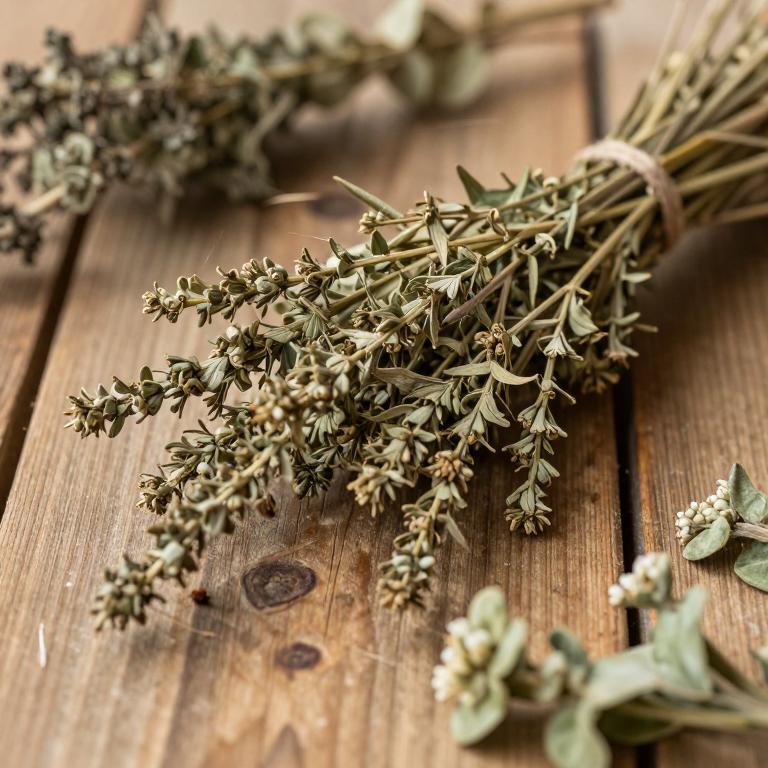
- Synonyms
- Spitzelia Aparine · Apargia Hispanica · 3 more
- Common names
- Not available
- Family
- Not available
- Distribution
- Not available
- Plant Parts
- Not available
Classification
Synonyms
Picris hispanica is a botanical species known to be associated with several distinct taxonomic synonyms. Scientific literature identifies this plant under various names, including Apargia hispanica and Asterothrix hispanica. Furthermore, the species has been classified in different contexts as Fidelia kalbfussioides and Leontodon hispanicus. Another recognized synonym within its complex nomenclature is Spitzelia aparine. Understanding these overlapping names is essential for accurate identification and botanical study.
Sources: The World Checklist of Vascular Plants (WCVP)
Distribution
Geographic Regions
Picris hispanica exhibits a broad geographical range that spans across both African and European territories. In the African continent, this species is widely distributed throughout Northern Africa, specifically within the countries of Algeria, Libya, Morocco, and Tunisia. Its presence extends beyond the African coast into the European continent as well. Within Europe, the plant is notably found throughout the Southwestern region, with a documented distribution in Spain. This wide-reaching habitat highlights the plant's ability to thrive in diverse Mediterranean climates.
Sources: The World Checklist of Vascular Plants (WCVP)
Identification
Biological Activities
Picris hispanica is a species that shares botanical similarities with other members of the tribe Lactuceae known for their medicinal potential. Research into this family has highlighted the significant cytotoxic activities found in specific sesquiterpene lactones, such as hypocretenolides. These compounds have demonstrated the ability to impact various solid-tumor cell lines and leukemia cell lines during laboratory testing. For instance, certain aglycon derivatives have shown pronounced effects, with some even surpassing the potency of known controls. Such findings underscore the importance of investigating these plant-derived substances for their potential therapeutic properties.
Compounds
Picris hispanica is known to contain the chemical compound 14-Hydroxyhypocretenolide. This specific sesquiterpene lactone belongs to a group of substances characterized by an unusual ring structure found within the Lactuceae tribe. Research into related species has demonstrated that the aglycon form of this compound exhibits pronounced cytotoxic activities. Interestingly, while the aglycon is highly active, its beta-D-glucoside derivative shows no significant effect even at high concentrations. Understanding these chemical variations is essential for evaluating the potential therapeutic properties of such plant constituents.
Conditions
Picris hispanica exhibits cytotoxic activity against the A431 solid-tumor cell line. This plant also demonstrates the ability to treat CD34(+) bone-marrow cells by affecting various progenitor colonies. Furthermore, it shows effectiveness in treating the GTB leukemia cell line. The plant's therapeutic potential extends to the treatment of HEP2 cells as well. Finally, Picris hispanica is noted for its capacity to treat the HL60 leukemia cell line.