Picrasma
Picrasma · Accepted scientific name
Scientific literature: Very Sparse (0 studies) · ★☆☆☆☆
Picrasma is a botanical genus recognized for its potent medicinal properties used across various traditional healing practices. This plant has historically been studied for its potential role in managing complex conditions such as cancer and diabetes mellitus. Its bioactive compounds also offer therapeutic benefits for digestive ailments, including the treatment of dysentery. Furthermore, topical applications of certain extracts are utilized to soothe skin irritations like eczema. Understanding the diverse applications of Picrasma provides valuable insight into its significance in natural pharmacology.
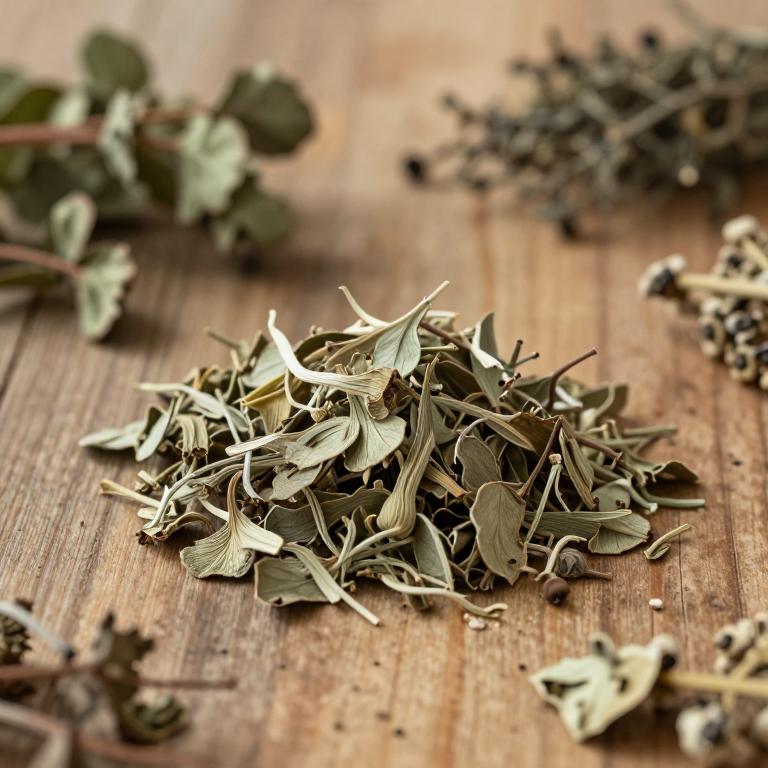
- Synonyms
- Aeschrion · Euleria · 5 more
- Common names
- Not available
- Family
- Simaroubaceae
- Distribution
- Not available
- Plant Parts
- Not available
Classification
Common Names
Picrasma is a botanical genus known by several distinct names depending on the linguistic and regional context. In various European regions, it is frequently referred to by its common names horkavec or hořčina. Some botanical circles also utilize the term karvaskvassiat to identify specific members of this group. The genus is also widely recognized simply by its scientific designation, picrasma. Furthermore, in a Japanese context, the plant is identified by the name ニガキ属.
Sources: Catalogue of Life (COL)
Synonyms
Picrasma is a botanical genus that is recognized by several distinct historical synonyms in scientific literature. Throughout various taxonomic studies, it has been referred to by the name Aeschrion. Researchers have also categorized specimens under the labels Euleria and Muenteria. Additionally, the plant is associated with the synonyms Nima and Picrita. Understanding these varied nomenclatures is essential for navigating the complex history of its classification.
Sources: The World Checklist of Vascular Plants (WCVP)
Taxonomy
Picrasma is a fascinating botanical entity that belongs to the vast kingdom Plantae. Within this expansive realm, it is classified under the class Equisetopsida and the order Sapindales. This plant is specifically identified by its unique genus, Picrasma, which distinguishes it from other species. Furthermore, it finds its taxonomic home within the Simaroubaceae family. Understanding these hierarchical relationships provides essential insight into the plant's evolutionary lineage.
| Rank | Classification |
|---|---|
| Kingdom | Plantae |
| Phylum | Streptophyta |
| Class | Equisetopsida |
| Subclass | Magnoliidae |
| Order | Sapindales |
| Family | Simaroubaceae |
| Genus | Picrasma |
Sources: The World Checklist of Vascular Plants (WCVP)
Distribution
Geographic Regions
Picrasma is a plant genus characterized by a wide distribution across the Asia-Temperate region. Within China, its presence is remarkably diverse, spanning from the North-Central territories to the South-Central provinces. The genus also extends into the Southeast regions of the country and reaches the tropical island of Hainan. Furthermore, its range stretches northward into the Manchuria area. This expansive geographical footprint highlights the adaptability of Picrasma across various Chinese landscapes.
Sources: The World Checklist of Vascular Plants (WCVP)
Identification
Biological Activities
Compounds
Conditions
Picrasma species serve as valuable folk medicines used in the treatment of various ailments, including cancer. These plants are also recognized for their ability to treat diabetes mellitus and support those living with diabetes. Additionally, the genus provides therapeutic relief for conditions such as dysentery. The medicinal application of Picrasma further extends to the treatment of eczema. Through these diverse uses, the plant demonstrates significant ethnopharmacological potential.