P. latbenia
Phytolacca latbenia · Accepted scientific name
Scientific literature: Very Sparse (4 studies) · ★☆☆☆☆
P. latbenia, scientifically known as Phytolacca latbenia, is a significant medicinal plant valued in traditional healing practices. Renowned for its diverse bioactive compounds, it is frequently utilized to treat various ailments, including skin conditions and inflammatory issues. Understanding its phytochemical properties is essential for exploring its therapeutic potential.
- Family
- Phytolaccaceae
- Native range
- Asia-Tropical
- Parts used
- Not available
- Common names
- Not available
- Scientific synonyms
- Sarcoca Latbenia · Pircunia Latbenia
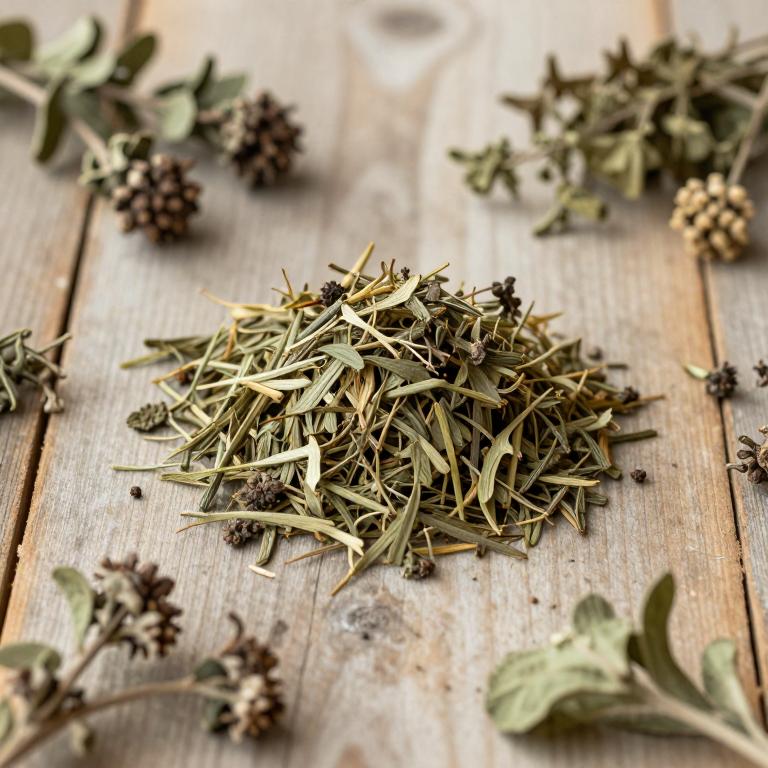
Names and Synonyms
Scientific Names
Accepted name
Phytolacca latbeniaSynonyms
- Sarcoca latbenia
- Pircunia latbenia
Sources: Wikidata
Taxonomical Classification
This plant belongs to the kingdom Plantae and the phylum Streptophyta, falling under the class Equisetopsida and subclass Magnoliidae. Within the order Caryophyllales, it is classified under the family Phytolaccaceae. Finally, it is identified by the genus Phytolacca, specifically as the species Phytolacca latibenthia.
| Rank | Classification |
|---|---|
| Kingdom | Plantae |
| Phylum | Streptophyta |
| Class | Equisetopsida |
| Subclass | Magnoliidae |
| Order | Caryophyllales |
| Family | Phytolaccaceae |
| Genus | Phytolacca |
Sources: The World Checklist of Vascular Plants (WCVP)
Distribution
This plant, known scientifically as Phytolacca latibienia, exhibits a specific geographical range within the Asian continent. It is primarily documented across the Indian Subcontinent. Specifically, its presence can be identified within the country of Pakistan. Additionally, the species is found growing in the West Himalaya region. These locations define the known natural habitats where this medicinal plant thrives.
| Region | Area |
|---|---|
| Indian Subcontinent | Pakistan |
| Indian Subcontinent | West Himalaya |
Sources: The World Checklist of Vascular Plants (WCVP)
Botanical Identification
Life history
The life history of Phytolacca latifolia is characterized by a variable lifecycle that can manifest as an annual, biennial, or perennial, depending heavily on environmental conditions and regional climate stability. As a plant that often thrives in disturbed soils and forest edges, its developmental stages transition from seed germination to the establishment of a robust root system, which may serve as a storage organ allowing for perennial persistence in favorable habitats. During its growth phase, the plant invests significant energy into developing fleshy stems and large leaves, eventually reaching reproductive maturity where it produces inflorescences of small, greenish flowers. These flowers give way to dark, berry-like fruits that facilitate seed dispersal, ensuring the continuation of the species through the seasonal cycle. In more transient or harsh environments, the plant may complete its entire life cycle within a single year, whereas in more stable, temperate, or subtropical regions, it can persist across multiple seasons.
- Lifecycle :
- annual
Morphology
The morphology of Phytolacca latifolia is characterized by its growth form as a herb, exhibiting a non-woody structure throughout its development. It functions as an independent organism, lacking any parasitic tendencies, and displays a climbing habit that is categorized as self-supporting.
- Climber :
- self-supporting
- Growth form :
- herb
- Parasite :
- independent
- Woodiness :
- non-woody
Reproduction
The reproduction of Phytolacca latifolia is closely tied to its seasonal flowering cycle, which typically occurs during the late summer months. The flowering process begins in August and reaches its conclusion in September, though the timing can remain variable depending on environmental conditions. This specific window of flowering marks the period when the plant prepares for its reproductive phase, facilitating the transition from vegetative growth to seed production.
- Flowering time :
- Aug
- Flowering time :
- Sep
Sources: Global Inventory of Floras and Traits (GIFT)
Chemicals
Phytolacca latbenia has 3 reported phytochemicals identified across 0 scientific publications and several other databases. The most consistently reported chemicals include Cardiac Glycosides, Saponins, Terpenoids.
| Chemical | Supporting sources | Consensus |
|---|---|---|
| Cardiac Glycosides | 1 supporting sources | ★☆☆☆☆ |
| Saponins | 1 supporting sources | ★☆☆☆☆ |
| Terpenoids | 1 supporting sources | ★☆☆☆☆ |
Cardiac Glycosides
- Toxicology and industrial health
Saponins
- Toxicology and industrial health
Terpenoids
- Toxicology and industrial health
Activities
Phytolacca latbenia has 1 reported activities identified across 0 scientific publications and several other databases. The most consistently reported activities include Anticoagulant.
| Activity | Supporting sources | Consensus |
|---|---|---|
| Anticoagulant | 1 supporting sources | ★☆☆☆☆ |
Anticoagulant
- Evidence-based complementary and alternative medicine : eCAM
Preparations
Phytolacca latbenia has 2 reported preparations identified across 0 scientific publications and several other databases. The most consistently reported preparations include crude extracts, crude methanolic extracts.
| Preparation | Supporting sources | Consensus |
|---|---|---|
| Crude extracts | 1 supporting sources | ★☆☆☆☆ |
| Crude methanolic extracts | 1 supporting sources | ★☆☆☆☆ |
Crude extracts
- Evidence-based complementary and alternative medicine : eCAM
Crude methanolic extracts
- Toxicology and industrial health