Physena madagascariensis
Physena madagascariensis · Accepted scientific name
Scientific literature: Very Sparse (6 studies) · ★☆☆☆☆
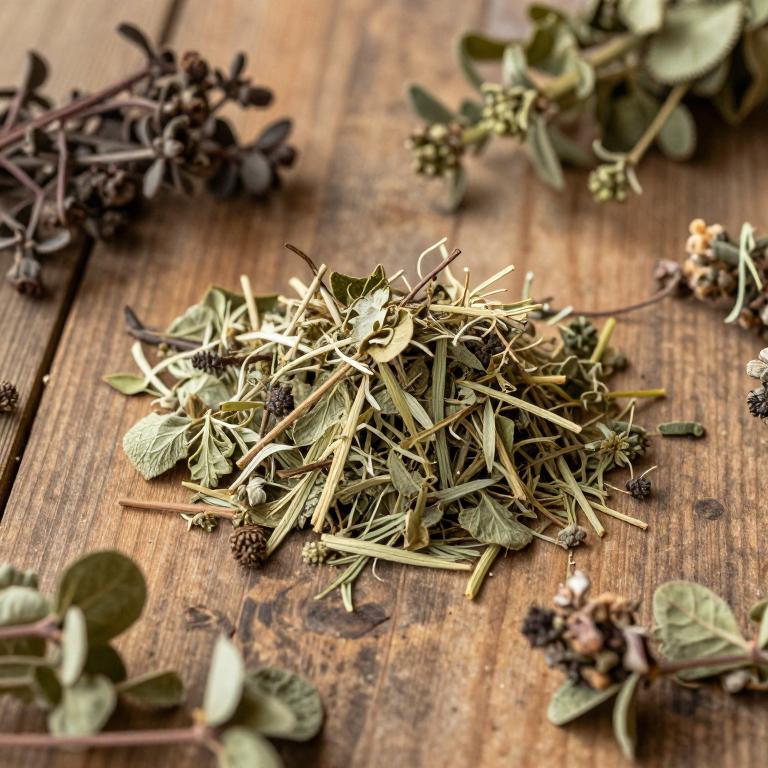
Physena madagascariensis, scientifically known as Physena madagascariensis, is a significant medicinal plant native to Madagascar. Renowned for its diverse therapeutic properties, it is frequently utilized in traditional medicine to treat various ailments. This plant holds immense pharmacological potential, offering valuable insights for modern drug development and natural healing.
- Family
- Physenaceae
- Native range
- Africa
- Parts used
- Leaf
- Common names
- Not available
- Scientific synonyms
- Physena Madagascariensis Var. Longifolia
Names and Synonyms
Scientific Names
Accepted name
Physena madagascariensisSynonyms
- Physena madagascariensis var. longifolia
Sources: Wikidata, Catalogue of Life
Taxonomical Classification
This plant belongs to the kingdom Plantae and the phylum Streptophyta, situated within the class Equisetopsida and subclass Magnoliidae. It is further classified under the order Caryophyllales and the family Physenaceae. Finally, it is identified by the genus Physena and the specific species Physena madagascariensis.
| Rank | Classification |
|---|---|
| Kingdom | Plantae |
| Phylum | Streptophyta |
| Class | Equisetopsida |
| Subclass | Magnoliidae |
| Order | Caryophyllales |
| Family | Physenaceae |
| Genus | Physena |
Sources: The World Checklist of Vascular Plants (WCVP)
Distribution
This plant is found exclusively within a specific region of the globe. Its natural habitat is concentrated in the Western Indian Ocean. Specifically, the species is endemic to the island of Madagascar. This restricted range means it does not occur naturally in any other parts of the world. Consequently, its survival is closely tied to the unique ecosystems found within this island nation.
| Region | Area |
|---|---|
| Western Indian Ocean | Madagascar |
Sources: The World Checklist of Vascular Plants (WCVP)
Botanical Identification
Life history
The life history of Physena madagascariensis is characterized by its distinct growth strategies and structural classifications within its ecosystem. Primarily functioning as a phanerophyte, the plant maintains its stem or shoot system well above the ground level, allowing it to navigate its environmental niche through significant vertical development. In certain ecological contexts or developmental stages, it may also exhibit characteristics of a nanophanerophyte, representing a specialized growth form where the aerial parts are relatively short but still extend beyond the soil surface. This combination of life forms enables the species to persist through varying seasonal shifts and environmental pressures, ensuring its survival and reproductive success within its native habitat.
- Life form :
- nanophanerophyte
- Life form :
- phanerophyte
Morphology
The morphology of Physena madagascariensis is characterized by its growth form as a tree, exhibiting a robust and woody structure. This species is primarily terrestrial in its habitat, though it maintains a physiological profile that avoids aquatic or semiaquatic environments. It functions as an independent organism, showing no parasitic tendencies, and grows as a self-supporting structure rather than a climber or an epiphyte.
- Aquatic :
- terrestrial
- Climber :
- self-supporting
- Epiphyte :
- terrestrial
- Growth form :
- tree
- Parasite :
- independent
- Woodiness :
- woody
Sources: Global Inventory of Floras and Traits (GIFT)
Plant Parts
Physena madagascariensis has 1 reported plant parts identified across 1 scientific publications and several other databases that are studied for medicinal purposes. The most consistently reported plant part include leaf.
| Plant part | Supporting sources | Consensus |
|---|---|---|
| Leaf | 1 supporting sources | ★☆☆☆☆ |
Leaf
- Journal of natural products
Chemicals
Physena madagascariensis has 3 reported phytochemicals identified across 1 scientific publications and several other databases. The most consistently reported chemicals include Remangilone B, Remangilone C, remangilone A.
| Chemical | Supporting sources | Consensus |
|---|---|---|
| Remangilone B | 1 supporting sources | ★☆☆☆☆ |
| Remangilone C | 1 supporting sources | ★☆☆☆☆ |
| remangilone A | 1 supporting sources | ★☆☆☆☆ |
Remangilone B
- Journal of natural products
Remangilone C
- Journal of natural products
remangilone A
- Journal of natural products
Activities
Physena madagascariensis has 1 reported activities identified across 1 scientific publications and several other databases. The most consistently reported activities include Cytotoxic.
| Activity | Supporting sources | Consensus |
|---|---|---|
| Cytotoxic | 1 supporting sources | ★☆☆☆☆ |
Cytotoxic
- Journal of natural products
Preparations
Physena madagascariensis has 2 reported preparations identified across 1 scientific publications and several other databases. The most consistently reported preparations include dried leaves, methanolic extract of the dried leaves.
| Preparation | Supporting sources | Consensus |
|---|---|---|
| Dried leaves | 1 supporting sources | ★☆☆☆☆ |
| Methanolic extract of the dried leaves | 1 supporting sources | ★☆☆☆☆ |
Dried leaves
- Journal of natural products
Methanolic extract of the dried leaves
- Journal of natural products