Physalis viscosa
Physalis viscosa · Accepted scientific name
Scientific literature: Very Sparse (0 studies) · ★☆☆☆☆
Physalis viscosa is a botanical species that has garnered significant attention in pharmacological research. Recent studies have focused on the chemical profile of the plant, specifically identifying the presence of the compound physaloside A. To investigate these biological properties, researchers often utilize a crude MeOH extract for experimental testing. This specific preparation allows for a comprehensive analysis of the plant's bioactive constituents. Understanding these chemical components is essential for uncovering the potential therapeutic applications of the species.
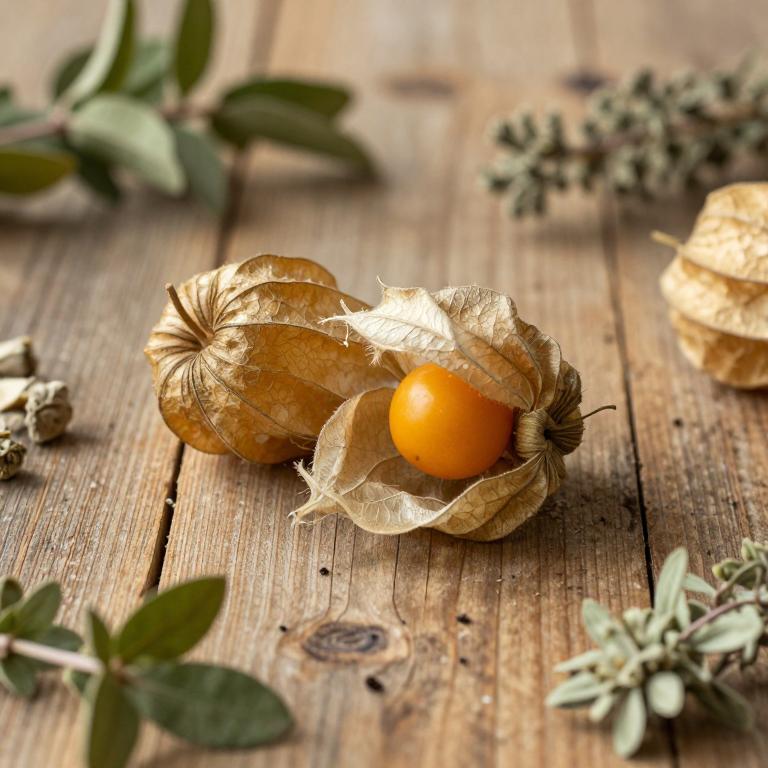
- Synonyms
- Physalis Fuscomaculata · Physalis Nutans · 8 more
- Common names
- Not available
- Family
- Solanaceae
- Distribution
- Southern America
- Plant Parts
- Not available
Classification
Common Names
Physalis viscosa is a versatile plant known by a variety of regional names across different languages. In English-speaking areas, it is frequently called the Stellate Ground-cherry or the Starhair groundcherry. Its identity shifts as you travel, appearing as the Sternhaar-Blasenkirsche in German-speaking regions. In Portuguese-speaking cultures, the plant is affectionately referred to as both arrebenta-cavalo and balãozinho. These diverse monikers reflect the wide geographic range and cultural presence of this unique species.
Sources: Catalogue of Life (COL)
Synonyms
Physalis viscosa is a taxonomically complex species that has been associated with several different scientific names over time. Botanical records indicate that it is considered a synonym for Cacabus parviflorus as well as Physalis fuscomaculata. The plant is also closely linked to Physalis glabriuscula within various classification systems. Furthermore, many researchers recognize it as being synonymous with Physalis curassavica. This relationship even extends to specific variations, such as Physalis curassavica var. integrifolia, illustrating the intricate nature of its nomenclature.
Sources: The World Checklist of Vascular Plants (WCVP)
Taxonomy
Physalis viscosa belongs to the vast kingdom Plantae, marking its place among the diverse world of living plants. Within this kingdom, it is classified under the class Equisetopsida. It further descends through the order Solanales, showcasing its evolutionary lineage. This species is a member of the well-known family Solanaceae, which contains many familiar botanical relatives. Finally, it is defined by its specific genus, Physalis, which distinguishes it from other unique flora.
| Rank | Classification |
|---|---|
| Kingdom | Plantae |
| Phylum | Streptophyta |
| Class | Equisetopsida |
| Subclass | Magnoliidae |
| Order | Solanales |
| Family | Solanaceae |
| Genus | Physalis |
Sources: The World Checklist of Vascular Plants (WCVP)
Distribution
Geographic Regions
Physalis viscosa is a plant species with a widespread distribution across the African continent. Its presence is noted in Northern Africa, specifically within the regions of Algeria. Moving southward, the species can be found throughout South Tropical Africa, including Mozambique and Zimbabwe. It also inhabits various parts of Southern Africa, such as the Free State and the Cape Provinces. This broad geographic range highlights the plant's ability to adapt to diverse African environments.
Sources: The World Checklist of Vascular Plants (WCVP)
Identification
Morphology
Physalis viscosa is a distinctive herb characterized by its self-supporting growth form. This plant typically reaches a modest height, generally staying within a range of 0.05 m to 0.5 m. While most specimens cluster around this scale, some variations can reach up to 0.6 m in height. Its structural integrity allows it to stand upright without the need for external support. Understanding these physical dimensions is essential for identifying the species in its natural habitat.
Sources: Global Inventory of Floras and Traits (GIFT)
Biological Activities
Compounds
Physalis viscosa serves as the biological source for a unique chemical compound known as physaloside A. Researchers identified this novel acylated sucrose ester through a detailed investigation of the plant's crude methanol extract. To understand its precise makeup, scientists utilized advanced 2D NMR analysis to determine its complex structure. The absolute configuration of the molecule was further confirmed through rigorous chemical degradation processes. These findings highlight the significant phytochemical potential found within the species.
Conditions
Preparations
Physalis viscosa is prepared as a crude MeOH extract to facilitate chemical investigations. This specific extraction method was utilized to identify the novel acylated sucrose ester known as physaloside A. Through the processing of this crude MeOH extract, researchers were able to isolate key chemical constituents from the plant. The subsequent analysis of the extract allowed for the determination of the compound's structure using 2D NMR. Consequently, the preparation of the MeOH extract served as the essential first step in characterizing the chemical profile of Physalis viscosa.