Phyllostachys reticulata
Phyllostachys reticulata · Accepted scientific name
Scientific literature: Very Sparse (0 studies) · ★☆☆☆☆
Phyllostachys reticulata is a distinctive species of bamboo that holds significant interest in phytochemical research. Scientific investigations have identified key bioactive compounds within the plant, specifically p-coumaric acid and protocatechuic acid. These chemical constituents are often studied through the use of a water extract to isolate their properties. Such preparations allow researchers to explore the potential therapeutic or antioxidant benefits of the species. Understanding the chemical profile of this plant contributes to a broader knowledge of bamboo-derived natural products.
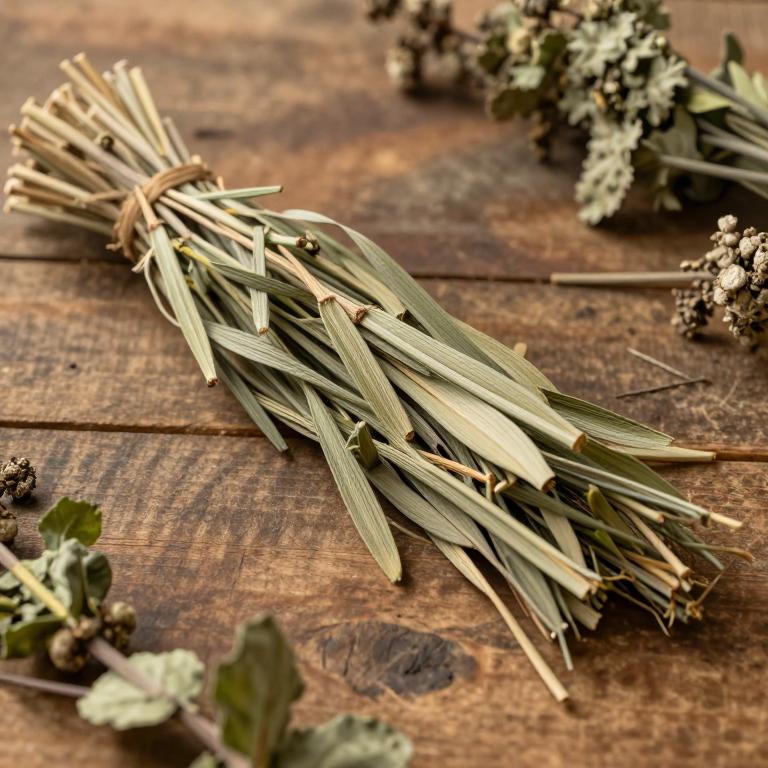
- Synonyms
- Bambusa Castillonii · Bambusa Duquilioi · 50 more
- Common names
- Not available
- Family
- Poaceae
- Distribution
- Not available
- Plant Parts
- Not available
Classification
Common Names
Phyllostachys reticulata is a remarkable plant known by many diverse names across different cultures and languages. In English-speaking regions, it is frequently referred to as Bambu-gigante or the impressive Giant Timber Bamboo. In various international contexts, you may encounter it called Reuzenbamboe or the Italian bambù reticolato. It is also recognized by the descriptive name caña de Indias in certain Spanish-speaking areas. These various common names all point to the same magnificent species celebrated for its immense scale.
Sources: Catalogue of Life (COL)
Synonyms
Phyllostachys reticulata is a complex botanical subject characterized by a wide range of historical nomenclature. Throughout various taxonomic studies, this plant has been identified under several different scientific names. For instance, it has been classified as the synonym Bambusa castillonii as well as Bambusa duquilioi. Its botanical history also includes associations with Bambusa marliacea and Bambusa mazelii. Finally, the species is frequently linked to the synonym Bambusa quilioi in many academic records.
Sources: The World Checklist of Vascular Plants (WCVP)
Taxonomy
Phyllostachys reticulata is a fascinating member of the kingdom Plantae that showcases the diverse beauty of the botanical world. This specific species belongs to the genus Phyllostachys, a group well known for its impressive structural characteristics. Within the biological hierarchy, it is classified under the order Poales and the family Poaceae. Furthermore, its taxonomic placement includes membership in the class Equisetopsida. Understanding these relationships provides essential insight into the evolutionary lineage of this remarkable plant.
| Rank | Classification |
|---|---|
| Kingdom | Plantae |
| Phylum | Streptophyta |
| Class | Equisetopsida |
| Subclass | Magnoliidae |
| Order | Poales |
| Family | Poaceae |
| Genus | Phyllostachys |
Sources: The World Checklist of Vascular Plants (WCVP)
Distribution
Geographic Regions
Phyllostachys reticulata boasts a remarkably diverse geographical range that spans multiple continents and climatic zones. In the western hemisphere, this species is found throughout Africa and the Macaronesia islands, including the Azores. Its presence extends deeply into the temperate regions of Asia, where it thrives across the Caucasus and Transcaucasus. A significant portion of its habitat is concentrated within China, covering the North-Central, South-Central, and Southeast territories. This widespread distribution highlights the plant's ability to adapt to various environments across the globe.
Sources: The World Checklist of Vascular Plants (WCVP)
Identification
Morphology
Phyllostachys reticulata is a self-supporting herb characterized by its robust and upright growth form. This species typically reaches a maximum height of approximately 11 meters in ideal conditions. However, under certain environmental circumstances, it can extend its stature to reach a height of up to 12 meters. Such impressive vertical development makes it a notable addition to any botanical collection.
Sources: Global Inventory of Floras and Traits (GIFT)
Biological Activities
Compounds
Phyllostachys reticulata serves as a vital component in the development of specialized functional food formulas like JM-101. Scientific analysis has identified that this plant contains specific chemical markers, namely p-coumaric acid and protocatechuic acid. These compounds are essential for the standardization and quality control of herbal extract mixtures used for anti-obesity purposes. By utilizing advanced liquid-liquid extraction and response surface methodology, researchers can accurately measure these specific acids. Ultimately, understanding these chemical relationships ensures the potency and consistency of the final medicinal product.
Conditions
Phyllostachys reticulata, specifically in the form of Phyllostachys bambusoides, serves as a key component in a functional food formula designed to treat obesity. This plant is combined with Chaenomeles sinensis to create a specialized extract mixture known as JM-101. Research focuses on using this mixture as an anti-obesity agent through standardized water extraction methods. To ensure effectiveness, scientists use marker compounds like protocatechuic acid to monitor the quality of the herbal blend. Ultimately, the application of this plant within the JM-101 formula aims to provide a validated approach to managing weight.
Preparations
Phyllostachys reticulata is prepared as a water extract to be used in the development of the functional food formula JM-101. This specific extraction process involves combining the plant material with water to create a medicinal mixture. The researchers utilized multi-response optimization to determine the most efficient material-to-water ratio for this purpose. Following the water extraction, a liquid-liquid extraction method with ethyl acetate was applied to isolate marker compounds. These standardized water extracts serve as a foundational component for the anti-obesity properties of the final formula.