Phyllanthus watsonii
Phyllanthus watsonii · Accepted scientific name
Scientific literature: Very Sparse (9 studies) · ★☆☆☆☆
Phyllanthus watsonii, is a distinctive medicinal plant belonging to the Phyllanthaceae family. Often found in tropical regions, this species is valued in traditional medicine for its unique bioactive compounds. It is primarily studied for its potential therapeutic properties, offering promising insights into natural treatments for various health conditions.
- Family
- Phyllanthaceae
- Native range
- Asia-Tropical
- Parts used
- Not available
- Common names
- Not available
- Scientific synonyms
- Nymphanthus Watsonii
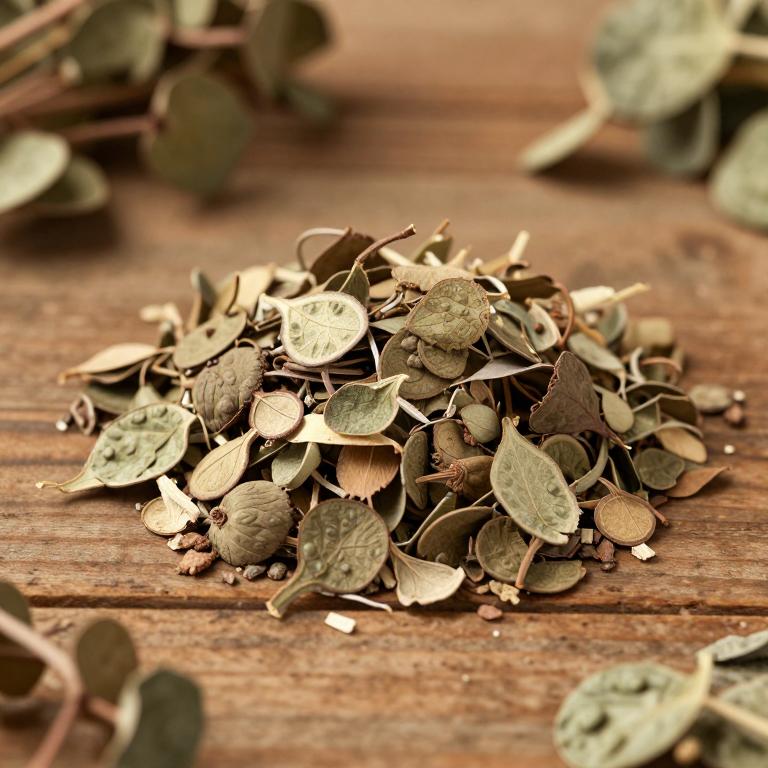
Names and Synonyms
Scientific Names
Accepted name
Phyllanthus watsoniiSynonyms
- Nymphanthus watsonii
Sources: Wikidata
Taxonomical Classification
This plant belongs to the kingdom Plantae and is classified under the phylum Streptophyta within the class Equisetopsida. As a member of the subclass Magnoliidae and the order Malpighiales, it is positioned in the family Phyllanthaceae. Finally, its specific taxonomic identity is defined by the genus Phyllanthus.
| Rank | Classification |
|---|---|
| Kingdom | Plantae |
| Phylum | Streptophyta |
| Class | Equisetopsida |
| Subclass | Magnoliidae |
| Order | Malpighiales |
| Family | Phyllanthaceae |
| Genus | Phyllanthus |
Sources: The World Checklist of Vascular Plants (WCVP)
Distribution
This plant is characterized by a specific and limited geographical presence within the natural world. According to botanical records, its distribution is primarily centered within the Malesia region. Specifically, it can be found growing natively in the area known as Malaya. This localized occurrence suggests that the species is adapted to the particular environmental conditions of this tropical zone. Consequently, its range is quite restricted compared to more widespread medicinal flora.
| Region | Area |
|---|---|
| Malesia | Malaya |
Sources: The World Checklist of Vascular Plants (WCVP)
Botanical Identification
Morphology
The morphology of Phyllanthus watsonii is characterized by its growth form as a shrub, exhibiting a distinctly woody structure. This plant maintains a relatively diminutive stature, with a maximum plant height reaching approximately 0.15 m.
- Growth form :
- shrub
- Plant height max:
- 0.15 m
- Woodiness :
- woody
Sources: Global Inventory of Floras and Traits (GIFT)
Chemicals
Phyllanthus watsonii has 6 reported phytochemicals identified across 0 scientific publications and several other databases. The most consistently reported chemicals include Ellagitannins, Flavonoids, Gallic acid, Gallotannins, Geraniin.
| Chemical | Supporting sources | Consensus |
|---|---|---|
| Ellagitannins | 1 supporting sources | ★☆☆☆☆ |
| Flavonoids | 1 supporting sources | ★☆☆☆☆ |
| Gallic acid | 1 supporting sources | ★☆☆☆☆ |
| Gallotannins | 1 supporting sources | ★☆☆☆☆ |
| Geraniin | 1 supporting sources | ★☆☆☆☆ |
| Syringin | 1 supporting sources | ★☆☆☆☆ |
Ellagitannins
- PloS one
Flavonoids
- PloS one
Gallic acid
- BMC complementary and alternative medicine
Gallotannins
- PloS one
Geraniin
- BMC complementary and alternative medicine
Syringin
- BMC complementary and alternative medicine
Activities
Phyllanthus watsonii has 1 reported activities identified across 0 scientific publications and several other databases. The most consistently reported activities include Anticancer.
| Activity | Supporting sources | Consensus |
|---|---|---|
| Anticancer | 1 supporting sources | ★☆☆☆☆ |
Anticancer
- Evidence-based complementary and alternative medicine : eCAM
Conditions
Phyllanthus watsonii has 1 reported investigations on conditions identified across 0 scientific publications and several other databases. The most consistently reported conditions include prostate cancer.
| Condition | Supporting sources | Consensus |
|---|---|---|
| Prostate cancer | 2 supporting sources | ★☆☆☆☆ |
Prostate cancer
- PloS one
- Evidence-based complementary and alternative medicine : eCAM