Phyllanthus rheophyticus
Phyllanthus rheophyticus · Accepted scientific name
Scientific literature: Very Sparse (0 studies) · ★☆☆☆☆
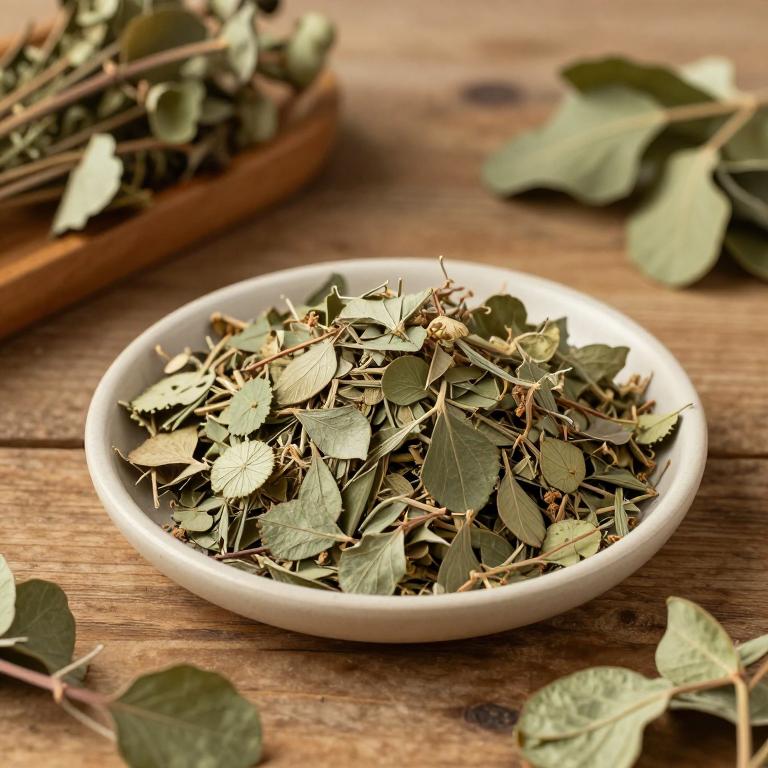
Phyllanthus rheophyticus is a specialized plant species that thrives in specific rheophytic environments characterized by flowing water. Scientific investigations into this plant focus on the isolation of its bioactive components through various chemical preparations. Researchers frequently utilize sophisticated methods to produce detailed extracts and specific fractions from its tissues. These processes are essential for identifying the unique secondary metabolites responsible for its biological activities. Understanding these chemical profiles provides critical insight into the potential medicinal applications of the species.
- Synonyms
- Emblica Rheophytica
- Common names
- Not available
- Family
- Phyllanthaceae
- Distribution
- Not available
- Plant Parts
- Not available
Classification
Synonyms
Phyllanthus rheophyticus is a distinct plant species that is frequently discussed in botanical literature. Within taxonomic records, it is important to note that this species is also identified by the synonym Emblica rheophytica. This nomenclatural relationship ensures that researchers can accurately track the plant's classification across different studies. Recognizing these synonymous names helps prevent confusion when documenting the plant's unique habitat and characteristics. Understanding such botanical connections is essential for maintaining precise scientific data regarding its identity.
Sources: The World Checklist of Vascular Plants (WCVP)
Taxonomy
Phyllanthus rheophyticus is a distinct botanical specimen belonging to the kingdom Plantae. Within this vast kingdom, it is classified under the class Equisetopsida and the order Malpighiales. This plant further belongs to the specific family Phyllanthaceae, which highlights its unique biological characteristics. It is a member of the well-known genus Phyllanthus, a group containing various diverse species. Together, these taxonomic classifications provide a clear understanding of its position within the natural world.
| Rank | Classification |
|---|---|
| Kingdom | Plantae |
| Phylum | Streptophyta |
| Class | Equisetopsida |
| Subclass | Magnoliidae |
| Order | Malpighiales |
| Family | Phyllanthaceae |
| Genus | Phyllanthus |
Sources: The World Checklist of Vascular Plants (WCVP)
Distribution
Geographic Regions
Phyllanthus rheophyticus is a specialized plant species primarily found within the diverse ecosystems of Asia. Its documented distribution encompasses the temperate regions of China, specifically throughout the Southeast provinces. Furthermore, this species has a notable presence on the tropical island of Hainan. These specific geographic ranges highlight the plant's unique environmental requirements within the Chinese landscape. Understanding these localized habitats is essential for studying the ecological role of this particular member of the Phyllanthus genus.
Sources: The World Checklist of Vascular Plants (WCVP)
Identification
Morphology
Phyllanthus rheophyticus is a self-supporting plant that maintains its own structure without the need for external assistance.
Sources: Global Inventory of Floras and Traits (GIFT)
Biological Activities
Compounds
Conditions
Phyllanthus rheophyticus demonstrates significant anti-inflammatory activity through its bioactive phytoconstituents. These medicinal effects are primarily achieved by reducing the production of pro-inflammatory cytokines. The plant also works by inhibiting the synthesis of prostaglandins and nitric oxide. Furthermore, it suppresses inflammation by modulating critical signaling pathways such as NF-κB and MAPK. This species contributes to the broader therapeutic potential of the Phyllanthus genus in managing inflammatory conditions.
Preparations
Phyllanthus rheophyticus is utilized in scientific research through its preparation as both extracts and fractions. These specific forms are noted for their potential anti-inflammatory activities within the genus. By preparing the plant as extracts, researchers can isolate various bioactive phytoconstituents. Similarly, the development of fractions allows for a more detailed investigation into its therapeutic efficacy. Such preparation methods are essential for studying how the species modulates critical signaling pathways.