Phyllanthus retusus
Phyllanthus retusus · Accepted scientific name
Scientific literature: Very Sparse (7 studies) · ★☆☆☆☆
, scientifically known as Phyllanthus retusus, is a versatile medicinal shrub widely distributed across tropical coastal regions. Renowned for its diverse therapeutic properties, this plant is traditionally used in various cultures to treat inflammation, skin ailments, and digestive issues, offering significant potential for modern pharmacological research and development.
- Family
- Not available
- Native range
- Africa
- Parts used
- Leaf
- Common names
- Not available
- Scientific synonyms
- Not available
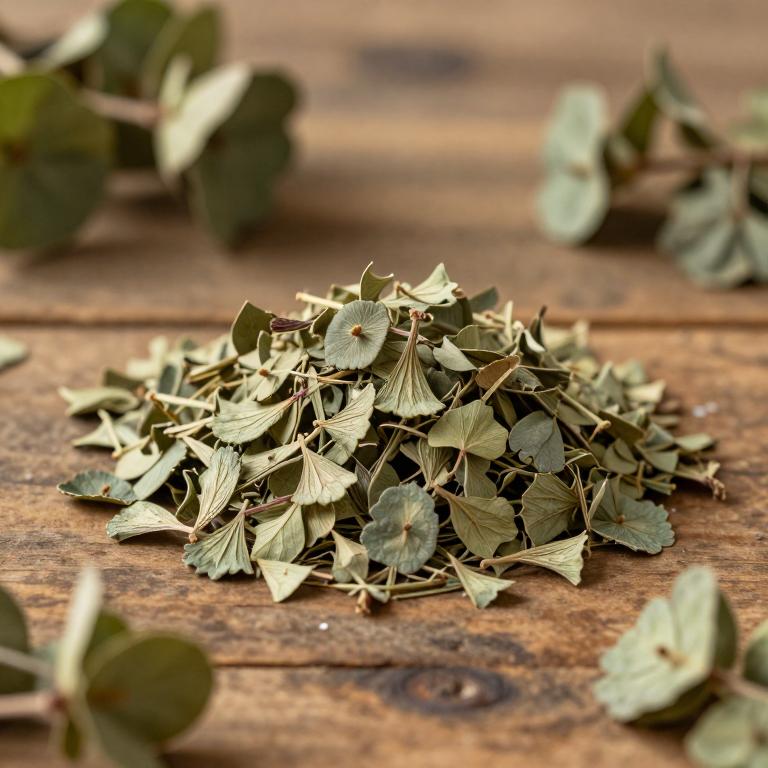
Names and Synonyms
Scientific Names
Accepted name
Phyllanthus retususDistribution
This plant exhibits a wide-ranging geographical distribution that spans across different continents. In the Western Indian Ocean, it can be found growing in Mauritius and Réunion. Its presence extends significantly into China, where it inhabits the South-Central regions. Furthermore, the species is also documented throughout China Southeast. Finally, its range reaches the high-altitude areas of Tibet.
| Region | Area |
|---|---|
| Western Indian Ocean | Mauritius |
| Western Indian Ocean | Réunion |
| China | China South-Central |
| China | China Southeast |
| China | Tibet |
| Indian Subcontinent | Assam |
| Indian Subcontinent | Bangladesh |
| Indian Subcontinent | East Himalaya |
| Indian Subcontinent | India |
| Indian Subcontinent | Nepal |
Sources: The World Checklist of Vascular Plants (WCVP)
Plant Parts
Phyllanthus retusus has 1 reported plant parts identified across 1 scientific publications and several other databases that are studied for medicinal purposes. The most consistently reported plant part include leaf.
| Plant part | Supporting sources | Consensus |
|---|---|---|
| Leaf | 1 supporting sources | ★☆☆☆☆ |
Leaf
- Pakistan journal of biological sciences : PJBS
Chemicals
Phyllanthus retusus has 5 reported phytochemicals identified across 1 scientific publications and several other databases. The most consistently reported chemicals include Gallic acid, METHYL GALLATE, RICINOLEIC ACID, SECALCIFEROL, naringenin.
| Chemical | Supporting sources | Consensus |
|---|---|---|
| Gallic acid | 1 supporting sources | ★☆☆☆☆ |
| METHYL GALLATE | 1 supporting sources | ★☆☆☆☆ |
| RICINOLEIC ACID | 1 supporting sources | ★☆☆☆☆ |
| SECALCIFEROL | 1 supporting sources | ★☆☆☆☆ |
| naringenin | 1 supporting sources | ★☆☆☆☆ |
Gallic acid
- 3 Biotech
METHYL GALLATE
- 3 Biotech
RICINOLEIC ACID
- 3 Biotech
SECALCIFEROL
- 3 Biotech
naringenin
- 3 Biotech
Activities
Phyllanthus retusus has 1 reported activities identified across 1 scientific publications and several other databases. The most consistently reported activities include Anticancer.
| Activity | Supporting sources | Consensus |
|---|---|---|
| Anticancer | 1 supporting sources | ★☆☆☆☆ |
Anticancer
- 3 Biotech
Preparations
Phyllanthus retusus has 2 reported preparations identified across 1 scientific publications and several other databases. The most consistently reported preparations include ethyl acetate and methanolic extract of the leaves, methanolic extract.
| Preparation | Supporting sources | Consensus |
|---|---|---|
| Ethyl acetate and methanolic extract of the leaves | 1 supporting sources | ★☆☆☆☆ |
| Methanolic extract | 1 supporting sources | ★☆☆☆☆ |
Ethyl acetate and methanolic extract of the leaves
- Pakistan journal of biological sciences : PJBS
Methanolic extract
- 3 Biotech