Phyllanthus lawii
Phyllanthus lawii · Accepted scientific name
Scientific literature: Very Sparse (4 studies) · ★☆☆☆☆
Phyllanthus lawii, scientifically known as Phyllanthus lawii, is a significant medicinal shrub native to tropical regions. Renowned for its diverse therapeutic properties, this plant is frequently utilized in traditional medicine to treat various ailments, including digestive issues and inflammation, offering valuable phytochemical compounds for modern pharmacological research and development.
- Family
- Phyllanthaceae
- Native range
- Asia-Tropical
- Parts used
- Not available
- Common names
- Not available
- Scientific synonyms
- Phyllanthus Juniperinoides · Emblica Lawii · 3 more
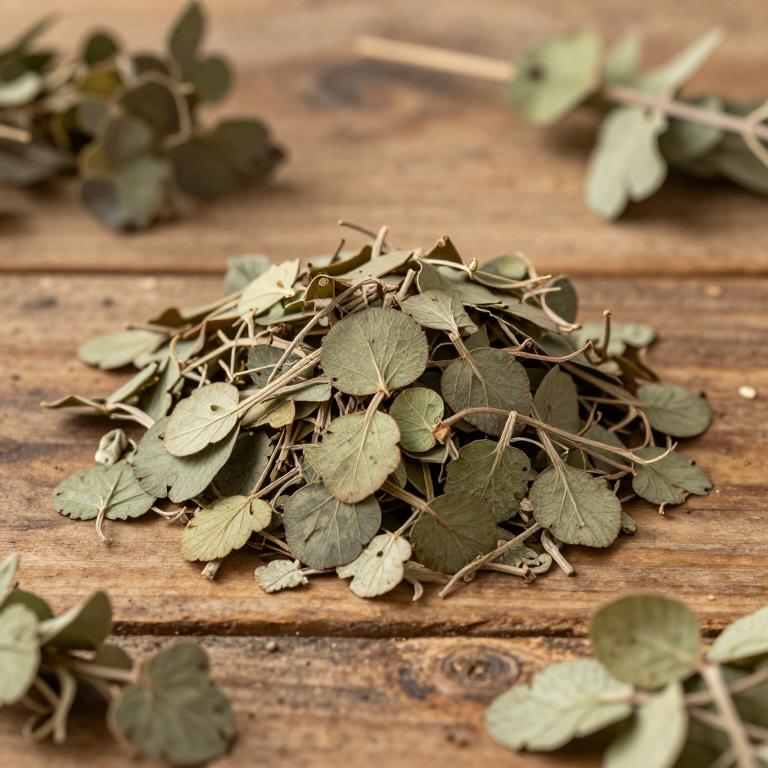
Names and Synonyms
Scientific Names
Accepted name
Phyllanthus lawiiSynonyms
- Phyllanthus juniperinoides
- Emblica lawii
- Phyllanthus nemorum
- Diasperus lawii
- Diasperus nemorum
Sources: Wikidata
Taxonomical Classification
This plant belongs to the kingdom Plantae and the phylum Streptophyta, falling under the class Equisetopsida and subclass Magnoliidae. Within the order Malpighiales, it is classified under the family Phyllanthaceae. Finally, its taxonomic placement is completed within the genus Phyllanthus.
| Rank | Classification |
|---|---|
| Kingdom | Plantae |
| Phylum | Streptophyta |
| Class | Equisetopsida |
| Subclass | Magnoliidae |
| Order | Malpighiales |
| Family | Phyllanthaceae |
| Genus | Phyllanthus |
Sources: The World Checklist of Vascular Plants (WCVP)
Distribution
This plant is found specifically within the vast region of the Indian Subcontinent. Its natural geographical range is currently restricted to the country of India. Within this territory, it occupies specific ecological niches suitable for its growth. Because of this localized presence, researchers often focus on its availability in Indian landscapes. Understanding this distribution is essential for studying the plant's native habitat and conservation needs.
| Region | Area |
|---|---|
| Indian Subcontinent | India |
Sources: The World Checklist of Vascular Plants (WCVP)
Chemicals
Phyllanthus lawii has 2 reported phytochemicals identified across 0 scientific publications and several other databases. The most consistently reported chemicals include Hypophyllanthin, Phyllanthin.
| Chemical | Supporting sources | Consensus |
|---|---|---|
| Hypophyllanthin | 1 supporting sources | ★☆☆☆☆ |
| Phyllanthin | 1 supporting sources | ★☆☆☆☆ |
Hypophyllanthin
- Pharmaceutical biology
Phyllanthin
- Pharmaceutical biology