Phyllanthus billardierei
Phyllanthus billardierei · Accepted scientific name
Scientific literature: Very Sparse (4 studies) · ★☆☆☆☆
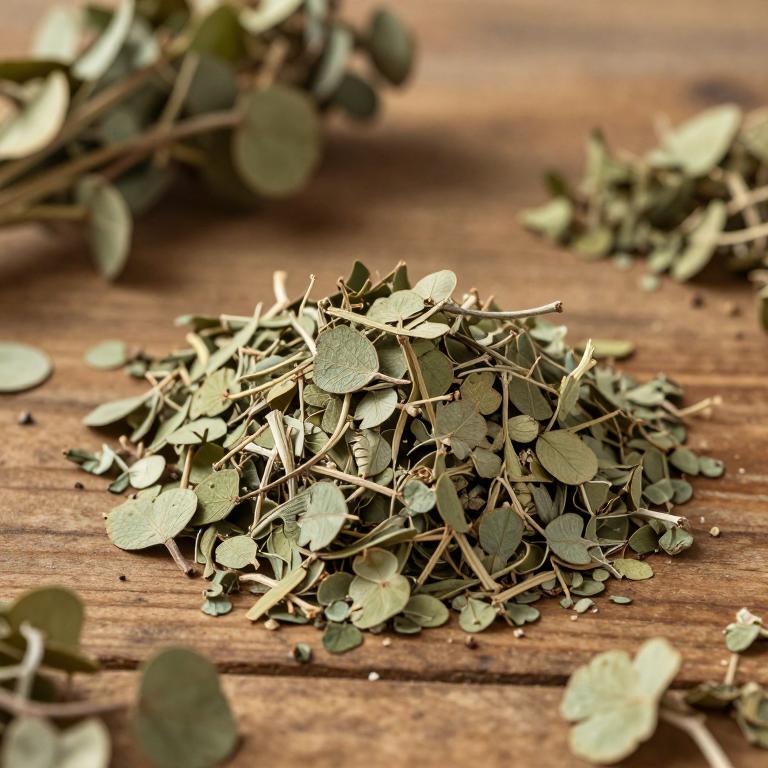
, scientifically known as Phyllanthus billardierei, is a medicinal plant valued for its unique therapeutic properties. Often found in specific tropical ecosystems, this species is studied for its bioactive compounds. Traditional practitioners utilize its various parts to treat ailments, contributing significantly to the growing field of ethnobotanical research.
- Family
- Phyllanthaceae
- Native range
- Pacific
- Parts used
- Root
- Common names
- Not available
- Scientific synonyms
- Diasperus Kanalophilus · Diasperus Wagapensis · 8 more
Names and Synonyms
Scientific Names
Accepted name
Phyllanthus billardiereiSynonyms
- Diasperus kanalophilus
- Diasperus wagapensis
- Glochidion wagapense
- Bradleia glauca
- Phyllanthus kanalophilus
- Glochidion heterolobum
- Glochidion kanalense
- Diasperus billardierei
- Glochidion billardierei
- Phyllanthus wagapensis
Sources: Wikidata
Taxonomical Classification
This plant, known scientifically as Phyllanthus billardierei, belongs to the kingdom Plantae and the phylum Streptophyta. Within the class Equisetopsida and subclass Magnoliidae, it is classified under the order Malpighiales. It is a member of the family Phyllanthaceae and falls under the genus Phyllanthus.
| Rank | Classification |
|---|---|
| Kingdom | Plantae |
| Phylum | Streptophyta |
| Class | Equisetopsida |
| Subclass | Magnoliidae |
| Order | Malpighiales |
| Family | Phyllanthaceae |
| Genus | Phyllanthus |
Sources: The World Checklist of Vascular Plants (WCVP)
Distribution
This plant, known scientifically as Phyllanthus billardierei, possesses a very specific and limited geographical range. Its presence is strictly confined to the unique ecosystems found within the Southwestern Pacific region. Specifically, this medicinal species is endemic to the island of New Caledonia. Because it is localized to this single territory, it represents a unique component of the local flora. Consequently, its distribution is characterized by high regional specificity rather than a broad global spread.
| Region | Area |
|---|---|
| Southwestern Pacific | New Caledonia |
Sources: The World Checklist of Vascular Plants (WCVP)
Plant Parts
Phyllanthus billardierei has 1 reported plant parts identified across 1 scientific publications and several other databases that are studied for medicinal purposes. The most consistently reported plant part include root.
| Plant part | Supporting sources | Consensus |
|---|---|---|
| Root | 1 supporting sources | ★☆☆☆☆ |
Root
- Fitoterapia
Chemicals
Phyllanthus billardierei has 3 reported phytochemicals identified across 1 scientific publications and several other databases. The most consistently reported chemicals include 3B, Allosecurinine, Securinine.
| Chemical | Supporting sources | Consensus |
|---|---|---|
| 3B | 1 supporting sources | ★☆☆☆☆ |
| Allosecurinine | 1 supporting sources | ★☆☆☆☆ |
| Securinine | 1 supporting sources | ★☆☆☆☆ |
3B
- Scientific reports
Allosecurinine
- PloS one
Securinine
- PloS one
Preparations
Phyllanthus billardierei has 1 reported preparations identified across 1 scientific publications and several other databases. The most consistently reported preparations include extract.
| Preparation | Supporting sources | Consensus |
|---|---|---|
| Extract | 1 supporting sources | ★☆☆☆☆ |
Extract
- PloS one