Phyllanthus adami
Phyllanthus adami · Accepted scientific name
Scientific literature: Very Sparse (0 studies) · ★☆☆☆☆
Phyllanthus adami is a botanical species that has garnered scientific interest due to the therapeutic potential found within its roots. Researchers have focused on utilizing various preparations, such as fractions and 70% acetone extracts, to study its bioactive properties. Chemical analyses of these root extracts have identified key alkaloids, including allosecurinine and securinine. These compounds have demonstrated significant biological activity, particularly in their ability to induce apoptosis and cell cycle arrest in HeLa cells. Furthermore, the plant's extracts play a crucial role in modulating cellular responses to oxidative stress.
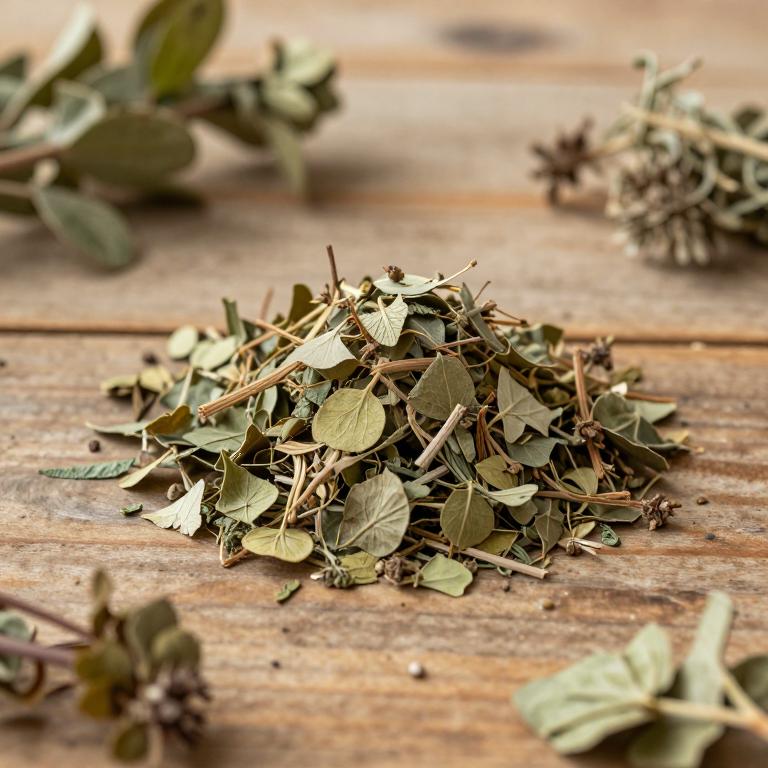
- Synonyms
- Sauropus Glaucus · Phyllanthus Bossiaeoides · 3 more
- Common names
- Not available
- Family
- Phyllanthaceae
- Distribution
- Asia-Tropical
- Plant Parts
- Root
Classification
Synonyms
Phyllanthus adami is a botanical species characterized by a complex web of taxonomic synonyms. Scientific literature identifies this plant under several alternative names, including Diasperus adami and Glochidion adami. It has also been historically classified as Phyllanthus bossiaeoides in various studies. Furthermore, the species is linked to the names Sauropus glaucus and Synostemon glaucus within botanical records. Understanding these overlapping designations is essential for accurate identification and consistent scientific communication.
Sources: The World Checklist of Vascular Plants (WCVP)
Taxonomy
Phyllanthus adami is a unique botanical specimen belonging to the kingdom Plantae. Within this vast kingdom, it is specifically classified under the class Equisetopsida. Its evolutionary lineage places it in the order Malpighiales, showcasing its complex biological connections. Furthermore, the plant is a member of the Phyllanthaceae family, which highlights its distinctive structural traits. Ultimately, it is identified by its taxonomic placement within the genus Phyllanthus.
| Rank | Classification |
|---|---|
| Kingdom | Plantae |
| Phylum | Streptophyta |
| Class | Equisetopsida |
| Subclass | Magnoliidae |
| Order | Malpighiales |
| Family | Phyllanthaceae |
| Genus | Phyllanthus |
Sources: The World Checklist of Vascular Plants (WCVP)
Distribution
Geographic Regions
Phyllanthus adami is a notable plant species primarily found within the Australasia region. Its distribution is concentrated across the vast landscapes of Australia, where it thrives in specific ecological niches. Within the continent, the species has a documented presence in the Northern Territory. Furthermore, it can also be located throughout the diverse environments of Queensland. This localized range highlights the specific environmental requirements necessary for its natural growth.
Sources: The World Checklist of Vascular Plants (WCVP)
Identification
Biological Activities
Compounds
Phyllanthus adami is a plant species notable for its specific chemical profile, which includes the presence of certain Securinega-type alkaloids. Within this botanical composition, the plant contains both allosecurinine and securinine. These specific alkaloids are of significant interest due to their potential biological activities and antiproliferative properties. Understanding the presence of these compounds in species like Phyllanthus adami provides valuable insights into the plant's medicinal chemistry. Such findings contribute to the broader scientific effort to explore how these alkaloids interact with various cellular pathways.
Conditions
Phyllanthus adami possesses therapeutic properties that target HeLa cells effectively. Research indicates that it contributes to HeLa cells growth inhibition through its bioactive components. Furthermore, the plant demonstrates significant anti-inflammatory activity by modulating various signaling pathways. It is also capable of inducing apoptosis to promote programmed cell death. Additionally, the plant facilitates cell cycle arrest to prevent further cellular proliferation.
Preparations
Phyllanthus adami is prepared as a 70% acetone extract for the isolation of various lignans and neolignans. The plant is also prepared as extracts and fractions to study its anti-inflammatory potential. Furthermore, the plant is prepared as roots to facilitate the discovery of specific diterpenoids. These different preparation methods allow researchers to identify diverse bioactive phytoconstituents within the genus.
Parts used
Phyllanthus adami is a species that shares certain morphological characteristics with other members of its genus, such as the presence of a root system. Scientific investigations into related species, like Phyllanthus glaucus, have highlighted the chemical significance of these root structures. Specifically, the roots of such plants can serve as a rich source of complex compounds, including unique cleistanthane diterpenoids. Research into these bioactive isolates has even led to the discovery of new natural products like phyllanglins A-C. Ultimately, studying these root-derived components provides valuable insights into their potential anti-inflammatory activities.