Phlomoides szechuanensis
Phlomoides szechuanensis · Accepted scientific name
Scientific literature: Very Sparse (3 studies) · ★☆☆☆☆
, scientifically known as Phlomoides szechuanenensis, is a perennial herb native to the high-altitude regions of China. Valued in traditional medicine, this plant contains unique bioactive compounds used to treat various ailments. Its therapeutic potential continues to attract scientific interest for developing new treatments in modern pharmacology and herbal medicine.
- Family
- Lamiaceae
- Native range
- Asia-Temperate
- Parts used
- Not available
- Common names
- Not available
- Scientific synonyms
- Phlomis Szechuanensis
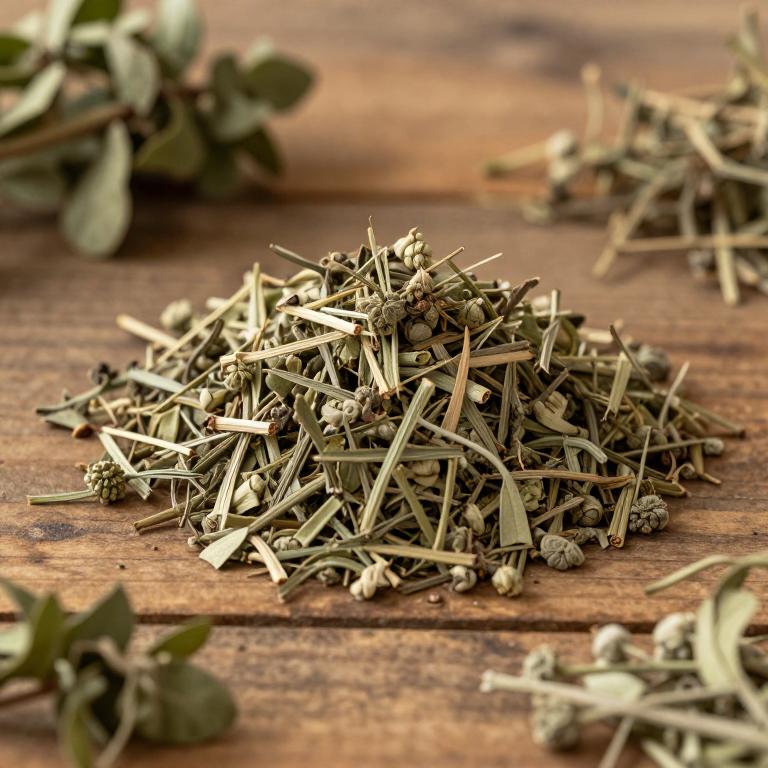
Names and Synonyms
Scientific Names
Accepted name
Phlomoides szechuanensisSynonyms
- Phlomis szechuanensis
Sources: Wikidata
Taxonomical Classification
This plant belongs to the kingdom Plantae and the phylum Streptophyta, falling under the class Equisetopsida and subclass Magnoliidae. It is further classified within the order Lamiales and the family Lamiaceae. Ultimately, its taxonomic identity is defined by its placement in the genus Phlomoides.
| Rank | Classification |
|---|---|
| Kingdom | Plantae |
| Phylum | Streptophyta |
| Class | Equisetopsida |
| Subclass | Magnoliidae |
| Order | Lamiales |
| Family | Lamiaceae |
| Genus | Phlomoides |
Sources: The World Checklist of Vascular Plants (WCVP)
Distribution
This plant, known as Phlomoides szechuanenensis, possesses a specific and localized geographical range. Its natural habitat is primarily concentrated within the borders of China. More specifically, the species is found inhabiting the South-Central region of the country. This particular distribution suggests that the plant thrives under the unique environmental conditions of these provinces. Consequently, its presence is a distinctive characteristic of the South-Central Chinese landscape.
| Region | Area |
|---|---|
| China | China South-Central |
Sources: The World Checklist of Vascular Plants (WCVP)
Botanical Identification
Life history
The life history of Phlomoides szechuanenensis is characterized by its classification as a hemicryptophyte, a growth form where the perennating buds are located at or just below the soil surface, protected by leaf litter or soil cover. Within the broader spectrum of botanical life forms, it functions as a hemicryptophyte, distinguishing it from other strategies such as phanerophytes, chamaephytes, cryptophytes, or therophytes. This life history strategy allows the plant to survive unfavorable seasonal conditions by maintaining its regenerative structures near the ground level, ensuring its ability to re-emerge during favorable growing periods.
- Life form :
- hemicryptophyte
Morphology
The morphology of Phlomoides szechuanenensis is characterized by its growth habit as a self-supporting climber, meaning it possesses the structural integrity to ascend or spread without requiring an external host for physical stability. It functions as an independent organism rather than a parasite, maintaining its own metabolic processes without relying on other living plants for nutrients. Furthermore, its ecological positioning is strictly terrestrial, as it grows directly in the soil rather than functioning as an epiphyte.
- Climber :
- self-supporting
- Epiphyte :
- terrestrial
- Parasite :
- independent
Sources: Global Inventory of Floras and Traits (GIFT)
Chemicals
Phlomoides szechuanensis has 3 reported phytochemicals identified across 0 scientific publications and several other databases. The most consistently reported chemicals include 9,12,15-Octadecatrien-1-ol, Hexadecanoic acid, trans-Phytol.
| Chemical | Supporting sources | Consensus |
|---|---|---|
| 9,12,15-Octadecatrien-1-ol | 1 supporting sources | ★☆☆☆☆ |
| Hexadecanoic acid | 1 supporting sources | ★☆☆☆☆ |
| trans-Phytol | 1 supporting sources | ★☆☆☆☆ |
9,12,15-Octadecatrien-1-ol
- Journal of pharmaceutical and biomedical analysis
Hexadecanoic acid
- Journal of pharmaceutical and biomedical analysis
trans-Phytol
- Journal of pharmaceutical and biomedical analysis