Phlomoides betonicoides
Phlomoides betonicoides · Accepted scientific name
Scientific literature: Very Sparse (1 studies) · ★☆☆☆☆
Phlomoides betonicoides, scientifically known as Phlomoides betonicoides, is a perennial herb deeply rooted in traditional East Asian medicine. Renowned for its therapeutic properties, this plant is primarily utilized to treat respiratory ailments, alleviate inflammation, and promote detoxification, offering a natural approach to supporting holistic wellness and healing.
- Family
- Not available
- Native range
- Asia-Temperate
- Parts used
- Root
- Common names
- Not available
- Scientific synonyms
- Not available
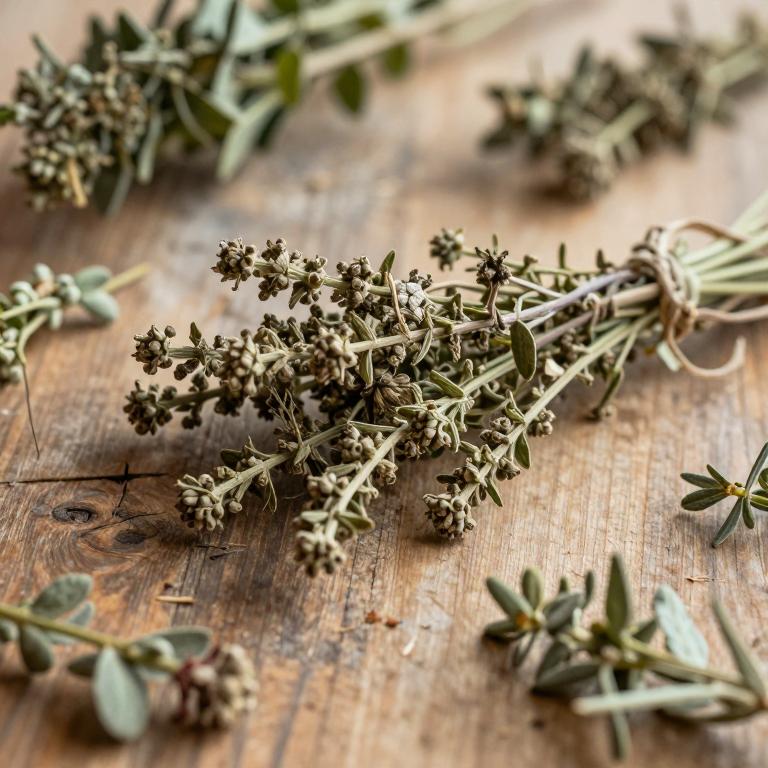
Names and Synonyms
Scientific Names
Accepted name
Phlomoides betonicoidesDistribution
This plant possesses a highly specific and localized geographical range. Its natural habitat is primarily concentrated within the region of Central Asia. Specifically, it can be found growing in the rugged terrains of Tajikistan. Because of this limited distribution, it is considered an endemic species to this particular area. Understanding this precise location is essential for the conservation of its wild populations.
| Region | Area |
|---|---|
| Central Asia | Tadzhikistan |
Sources: The World Checklist of Vascular Plants (WCVP)
Botanical Identification
Ecology
The ecology of Phlomoides betonicoides is characterized by its preference for rugged, high-altitude environments, where it thrives primarily within mountainous regions. It is frequently found colonizing shrubberies and rocky terrains, demonstrating a strong affinity for stony places where soil may be thin or well-drained. These specific habitats provide the necessary topographical diversity and drainage patterns essential for its growth, allowing it to integrate into the complex microclimates of montane ecosystems.
- Habitat :
- mountains, shrubberies, stony places
Life history
The life history of Phlomoides betonicoides is characterized by its status as a perennial plant, allowing it to persist through multiple growing seasons. In terms of its structural development and survival strategy, it is classified as a hemicryptophyte, meaning its perennable buds are located at or just below the soil surface, protected by leaf litter or soil during unfavorable periods. This life form, categorized consistently as a hemicryptophyte, enables the species to withstand seasonal environmental shifts while maintaining its ability to regenerate and thrive over an extended lifecycle.
- Life form :
- hemicryptophyte
- Lifecycle :
- perennial
Morphology
The morphology of Phlomoides betonicoides is characterized by its growth form as a non-woody herb. This plant typically reaches a height ranging from a minimum of 0.4 m to a maximum of 0.6 m. As a terrestrial species, it grows independently in its environment, functioning as a non-parasitic organism rather than an epiphyte or a parasite. Furthermore, it is a self-supporting plant, requiring no external structures for support as it grows.
- Climber :
- self-supporting
- Epiphyte :
- terrestrial
- Growth form :
- herb
- Parasite :
- independent
- Plant height max:
- 0.6 m
- Plant height min:
- 0.4 m
- Woodiness :
- non-woody
Reproduction
The reproduction of Phlomoides betonicoides is characterized by a specific seasonal flowering cycle that dictates its reproductive window. The flowering process typically commences in June, marking the onset of its reproductive activity. This period of blooming continues through the following month, with the flowering phase reaching its conclusion in July. This concentrated timeframe ensures that the plant's floral development is synchronized with specific environmental conditions during the early summer months.
- Flowering time :
- Jun
- Flowering time :
- Jul
Sources: Global Inventory of Floras and Traits (GIFT)
Plant Parts
Phlomoides betonicoides has 1 reported plant parts identified across 1 scientific publications and several other databases that are studied for medicinal purposes. The most consistently reported plant part include root.
| Plant part | Supporting sources | Consensus |
|---|---|---|
| Root | 1 supporting sources | ★☆☆☆☆ |
Root
- Phytochemistry
Preparations
Phlomoides betonicoides has 1 reported preparations identified across 1 scientific publications and several other databases. The most consistently reported preparations include root.
| Preparation | Supporting sources | Consensus |
|---|---|---|
| Root | 1 supporting sources | ★☆☆☆☆ |
Root
- Phytochemistry