Phlomis linearis
Phlomis linearis · Accepted scientific name
Scientific literature: Very Sparse (9 studies) · ★☆☆☆☆
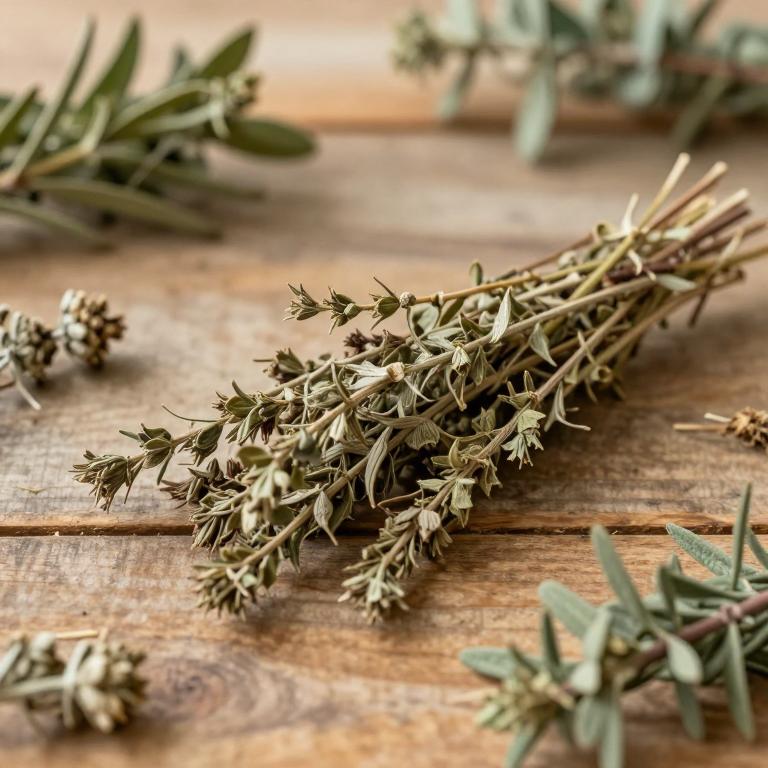
Phlomis linearis, scientifically known as Phlomis linearis, is a resilient perennial shrub native to the Mediterranean region. Characterized by its narrow, linear leaves and striking hooded flowers, this plant is highly valued in traditional herbalism for its diverse therapeutic properties, including its potential anti-inflammatory and antioxidant medicinal benefits.
- Family
- Lamiaceae
- Native range
- Asia-Temperate
- Parts used
- Not available
- Common names
- Not available
- Scientific synonyms
- Not available
Names and Synonyms
Scientific Names
Accepted name
Phlomis linearisSources: Wikidata, Catalogue of Life
Taxonomical Classification
This plant belongs to the kingdom Plantae and the phylum Streptophyta, situated within the class Equisetopsida and subclass Magnoliidae. It is further classified under the order Lamiales and the family Lamiaceae. Finally, its taxonomic identity is defined by its placement in the genus Phlomis.
| Rank | Classification |
|---|---|
| Kingdom | Plantae |
| Phylum | Streptophyta |
| Class | Equisetopsida |
| Subclass | Magnoliidae |
| Order | Lamiales |
| Family | Lamiaceae |
| Genus | Phlomis |
Sources: The World Checklist of Vascular Plants (WCVP)
Distribution
This plant, known scientifically as Phlomis linearis, possesses a very specific and limited geographical range. Its natural habitat is primarily concentrated within the region of Western Asia. Within this territory, the species is endemic to the country of Türkiye. This narrow distribution suggests that the plant is highly adapted to the particular environmental conditions found in that area. Consequently, conservation efforts may be necessary to protect its specialized ecological niche.
| Region | Area |
|---|---|
| Western Asia | Türkiye |
Sources: The World Checklist of Vascular Plants (WCVP)
Botanical Identification
Life history
The life history of Phlomis linearis is characterized by its classification as a chamaephyte, a life form that dictates its survival strategy through low-growing perennial structures. As a chamaephyte, the plant maintains its buds and regenerative tissues close to the soil surface, often just above it, allowing it to withstand environmental stressors such as grazing, wind, or seasonal temperature fluctuations. This growth habit enables the species to occupy specific ecological niches where it can effectively manage resource allocation between vegetative persistence and reproductive effort. Throughout its life cycle, the plant utilizes these low-lying buds to re-emerge during favorable growing seasons, ensuring long-term stability within its habitat. This strategic positioning near the ground surface provides a protective buffer against harsh climatic conditions, facilitating a resilient life history that balances perenniality with the ability to thrive in exposed or rocky terrains.
- Life form :
- chamaephyte
Morphology
The morphology of Phlomis linearis is characterized by its growth habit as a self-supporting plant, meaning it does not rely on external structures for vertical ascent, functioning as a self-supporting organism rather than an obligatory or facultative climber. It maintains an independent existence, categorized as an independent species that does not exhibit parasitic behavior toward other plants. Furthermore, its ecological placement is strictly terrestrial, as it grows in soil and does not function as an epiphyte.
- Climber :
- self-supporting
- Epiphyte :
- terrestrial
- Parasite :
- independent
Sources: Global Inventory of Floras and Traits (GIFT)
Chemicals
Phlomis linearis has 3 reported phytochemicals identified across 0 scientific publications and several other databases. The most consistently reported chemicals include Fatty acids, Flavonoids, Verbascoside.
| Chemical | Supporting sources | Consensus |
|---|---|---|
| Fatty acids | 1 supporting sources | ★☆☆☆☆ |
| Flavonoids | 1 supporting sources | ★☆☆☆☆ |
| Verbascoside | 1 supporting sources | ★☆☆☆☆ |
Fatty acids
- Turkish journal of chemistry
Flavonoids
- Turkish journal of chemistry
Verbascoside
- Turkish journal of chemistry
Activities
Phlomis linearis has 3 reported activities identified across 0 scientific publications and several other databases. The most consistently reported activities include Anticholinesterase, Antimicrobial, Cytotoxic.
| Activity | Supporting sources | Consensus |
|---|---|---|
| Anticholinesterase | 1 supporting sources | ★☆☆☆☆ |
| Antimicrobial | 1 supporting sources | ★☆☆☆☆ |
| Cytotoxic | 1 supporting sources | ★☆☆☆☆ |
Anticholinesterase
- Turkish journal of chemistry
Antimicrobial
- Turkish journal of chemistry
Cytotoxic
- Turkish journal of chemistry
Conditions
Phlomis linearis has 3 reported investigations on conditions identified across 0 scientific publications and several other databases. The most consistently reported conditions include Staphylococcus aureus, acetylcholinesterase, cancer.
| Condition | Supporting sources | Consensus |
|---|---|---|
| Staphylococcus aureus | 1 supporting sources | ★☆☆☆☆ |
| Acetylcholinesterase | 1 supporting sources | ★☆☆☆☆ |
| Cancer | 1 supporting sources | ★☆☆☆☆ |
Staphylococcus aureus
- Turkish journal of chemistry
Acetylcholinesterase
- Turkish journal of chemistry
Cancer
- Turkish journal of chemistry