Phlomis aurea
Phlomis aurea · Accepted scientific name
Scientific literature: Very Sparse (0 studies) · ★☆☆☆☆
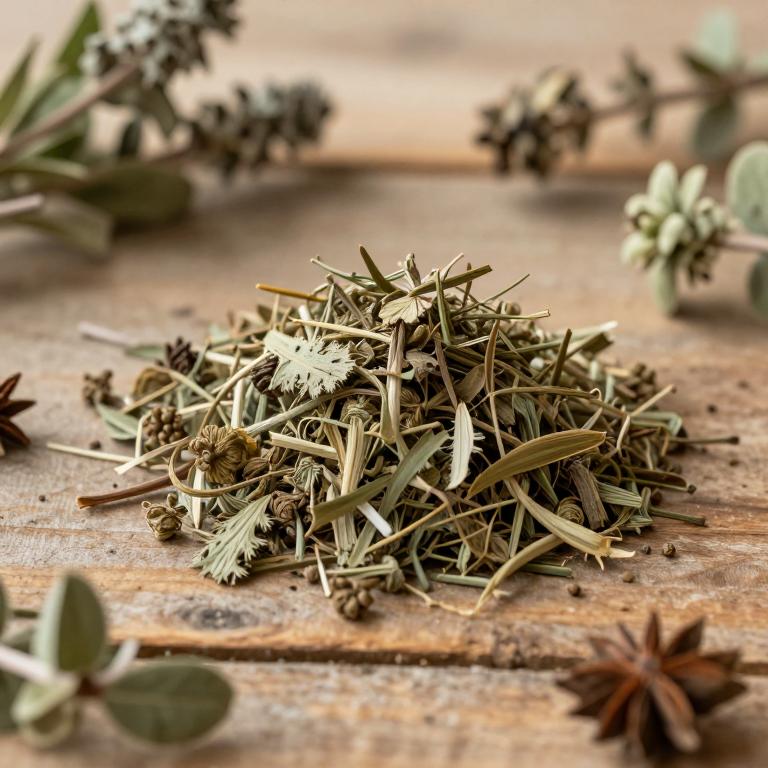
Phlomis aurea is a striking perennial shrub celebrated for its architectural presence in Mediterranean-style gardens. This plant is particularly noted for its distinctive foliage, which provides a lush foundation for its seasonal blooms. Each leaf is textured and velvety to the touch, adding a unique sensory dimension to the landscape. These sturdy leaves work in harmony with the plant's upright habit to create a visually compelling structure. By incorporating this species, gardeners can introduce both hardy resilience and elegant greenery to their outdoor spaces.
- Synonyms
- Not available
- Common names
- Not available
- Family
- Lamiaceae
- Distribution
- Africa
- Plant Parts
- Leaf
Classification
Common Names
Phlomis aurea is a versatile plant known by a diverse array of regional and descriptive names. It is frequently referred to as the Sinai Jerusalem Sage, highlighting its botanical connections to the Levant. In certain areas, it is also commonly called Awarwar or the Sinaian Lampwick. The plant even carries a specific Hebrew name, שלהבית זהובה, which reflects its local identity. Understanding these various monikers helps gardeners and botanists identify this unique species across different cultures.
Sources: Catalogue of Life (COL)
Synonyms
Phlomis aurea is a distinctive species that is frequently encountered in botanical literature under a different name. Due to historical taxonomic shifts, this plant is also recognized by its scientific synonym, Phlomis flavescens. Understanding these overlapping designations is essential for researchers tracking the plant's distribution and characteristics. While the nomenclature may vary between different databases, both names refer to the same unique organism. Recognizing these relationships ensures accuracy when documenting the diverse flora of its natural habitat.
Sources: The World Checklist of Vascular Plants (WCVP)
Taxonomy
Phlomis aurea is a unique botanical specimen belonging to the kingdom Plantae. Within this vast realm, it is specifically categorized under the class Equisetopsida. The plant is a member of the order Lamiales, which helps define its structural characteristics. It further falls into the family Lamiaceae, a group known for its diverse and aromatic species. Finally, this plant is identified by its specific genus, Phlomis, which distinguishes it from other related vegetation.
| Rank | Classification |
|---|---|
| Kingdom | Plantae |
| Phylum | Streptophyta |
| Class | Equisetopsida |
| Subclass | Magnoliidae |
| Order | Lamiales |
| Family | Lamiaceae |
| Genus | Phlomis |
Sources: The World Checklist of Vascular Plants (WCVP)
Distribution
Geographic Regions
Phlomis aurea is a distinctive plant species with a specific geographical range spanning across the Asia-Temperate region. Its natural habitat is primarily concentrated within Western Asia, where it adapts to the local environmental conditions. Additionally, this plant can be found extending into the Sinai Peninsula, showcasing its resilience in varied landscapes. Understanding these distribution patterns is essential for researchers studying the ecological niche of the species. Consequently, mapping its presence helps clarify the botanical diversity found throughout these unique territories.
Sources: The World Checklist of Vascular Plants (WCVP)
Identification
Morphology
Phlomis aurea is a self-supporting plant that maintains its own structure without the need for external assistance.
Sources: Global Inventory of Floras and Traits (GIFT)
Biological Activities
Compounds
Phlomis aurea, a plant species found growing in Egypt, possesses a complex chemical profile rich in various iridoids. Detailed analysis of its leaves reveals the presence of several significant compounds, including the iridoid 8-epi-loganin. The plant also contains forsythoside B and lamiide, contributing to its unique phytochemical makeup. Furthermore, researchers identified the presence of auroside within its biological structure. Finally, the plant is characterized by the inclusion of quercetin 3-O-beta-D-glucopyranoside among its diverse chemical constituents.
Conditions
Preparations
Parts used
Phlomis aurea serves as a significant source of diverse chemical compounds found within its biological structures. Research conducted on specimens growing in Egypt has specifically identified the leaves as a primary site for isolating various iridoids. Among these findings, a new iridoid gentiobioside named phlomiside was successfully extracted from the plant's leaf tissue. This isolation process also yielded several other important substances, such as auroside and lamiide, through detailed structural analysis. Consequently, the leaves of this species remain a focal point for studying complex glycosides and spectroscopic profiles.