Phlomis aucheri
Phlomis aucheri · Accepted scientific name
Scientific literature: Very Sparse (8 studies) · ★☆☆☆☆
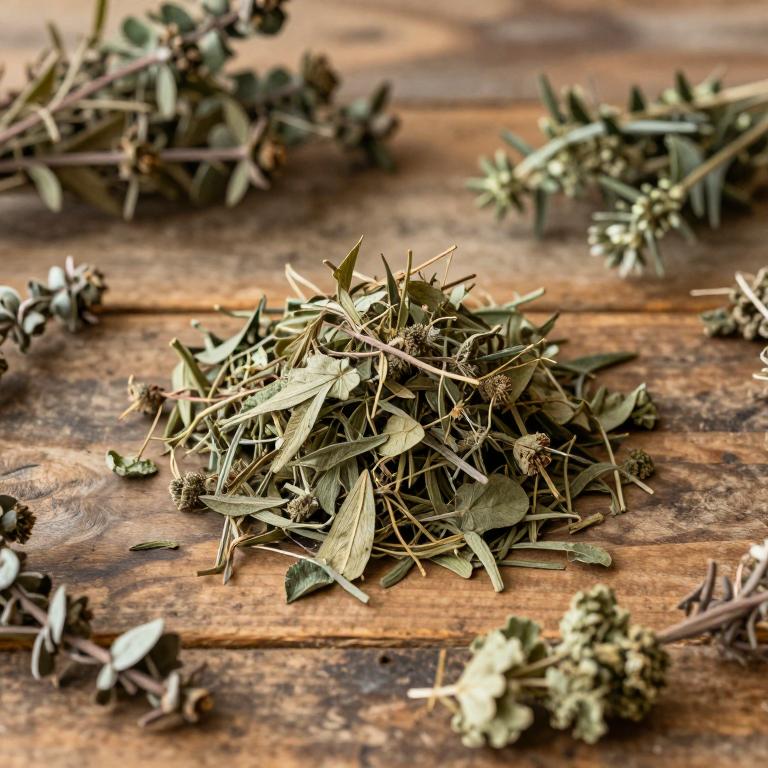
Phlomis aucheri, scientifically known as Phlomis aucheri, is a resilient perennial shrub native to the rugged landscapes of Western Asia. Renowned for its striking, velvety foliage and hooded lavender flowers, this medicinal plant is valued in traditional herbalism for its diverse therapeutic properties and its ability to thrive in rocky terrains.
- Family
- Lamiaceae
- Native range
- Asia-Temperate
- Parts used
- Not available
- Common names
- Not available
- Scientific synonyms
- Not available
Names and Synonyms
Scientific Names
Accepted name
Phlomis aucheriSources: Wikidata
Taxonomical Classification
This plant belongs to the kingdom Plantae and the phylum Streptophyta, falling under the class Equisetopsida and subclass Magnoliidae. It is further classified within the order Lamiales and the family Lamiaceae. Finally, it is identified under the genus Phlomis.
| Rank | Classification |
|---|---|
| Kingdom | Plantae |
| Phylum | Streptophyta |
| Class | Equisetopsida |
| Subclass | Magnoliidae |
| Order | Lamiales |
| Family | Lamiaceae |
| Genus | Phlomis |
Sources: The World Checklist of Vascular Plants (WCVP)
Distribution
This plant is characterized by a relatively specific and limited range of occurrence. Its natural habitat is primarily concentrated within the region of Western Asia. Specifically, the species can be found growing natively in the country of Iran. This localized distribution highlights its ecological preference for the environmental conditions found in that part of the world. Consequently, its presence is most notably documented within these particular geographical boundaries.
| Region | Area |
|---|---|
| Western Asia | Iran |
Sources: The World Checklist of Vascular Plants (WCVP)
Botanical Identification
Life history
The life history of Phlomis aucheri is characterized by its classification as a chamaephyte, a life form that enables it to thrive in specific ecological niches by maintaining its perennating buds close to or just above the soil surface. This strategy allows the plant to survive seasonal fluctuations and environmental stressors, utilizing its growth habit to balance resilience with vegetative expansion. Specifically, its biological profile identifies it as a chamaephyte under both detailed taxonomic assessments (categorized alongside nanophanerophytes, phaenoperophytes, hemicryptophytes, geophytes, hydrophytes, helophytes, therophytes, and lithophytes) and broader life form classifications (where it is distinguished from phanerophytes, hemicryptophytes, cryptophytes, and therophytes). This chamamphyte structure is fundamental to its survival, providing the necessary protection for its reproductive and vegetative organs during unfavorable periods while allowing for robust growth during the favorable seasons.
- Life form :
- chamaephyte
Morphology
The morphology of Phlomis aucheri is characterized by its robust, perennial growth habit, functioning as a self-supporting plant that does not require external structures for vertical stability. It is a strictly independent species, lacking any parasitic tendencies, and maintains a terrestrial life cycle, growing firmly within the soil rather than as an epiphyte. Its structure typically features woody or semi-woody stems that support dense, leafy formations, often presenting a bushy or subshrub appearance suitable for its natural habitat.
- Climber :
- self-supporting
- Epiphyte :
- terrestrial
- Parasite :
- independent
Sources: Global Inventory of Floras and Traits (GIFT)
Chemicals
Phlomis aucheri has 8 reported phytochemicals identified across 0 scientific publications and several other databases. The most consistently reported chemicals include Chrysoeriol, ERIODICTYOL, Rhamnetin, apigenin, dimethoxyflavanone.
| Chemical | Supporting sources | Consensus |
|---|---|---|
| Chrysoeriol | 1 supporting sources | ★☆☆☆☆ |
| ERIODICTYOL | 1 supporting sources | ★☆☆☆☆ |
| Rhamnetin | 1 supporting sources | ★☆☆☆☆ |
| apigenin | 1 supporting sources | ★☆☆☆☆ |
| dimethoxyflavanone | 1 supporting sources | ★☆☆☆☆ |
| kaempferol | 1 supporting sources | ★☆☆☆☆ |
| luteolin | 1 supporting sources | ★☆☆☆☆ |
| naringenin | 1 supporting sources | ★☆☆☆☆ |
Chrysoeriol
- Phytochemical analysis : PCA
ERIODICTYOL
- Phytochemical analysis : PCA
Rhamnetin
- Phytochemical analysis : PCA
apigenin
- Phytochemical analysis : PCA
dimethoxyflavanone
- Phytochemical analysis : PCA
kaempferol
- Phytochemical analysis : PCA
luteolin
- Phytochemical analysis : PCA
naringenin
- Phytochemical analysis : PCA