Phlomis anisodonta
Phlomis anisodonta · Accepted scientific name
Scientific literature: Very Sparse (2 studies) · ★☆☆☆☆
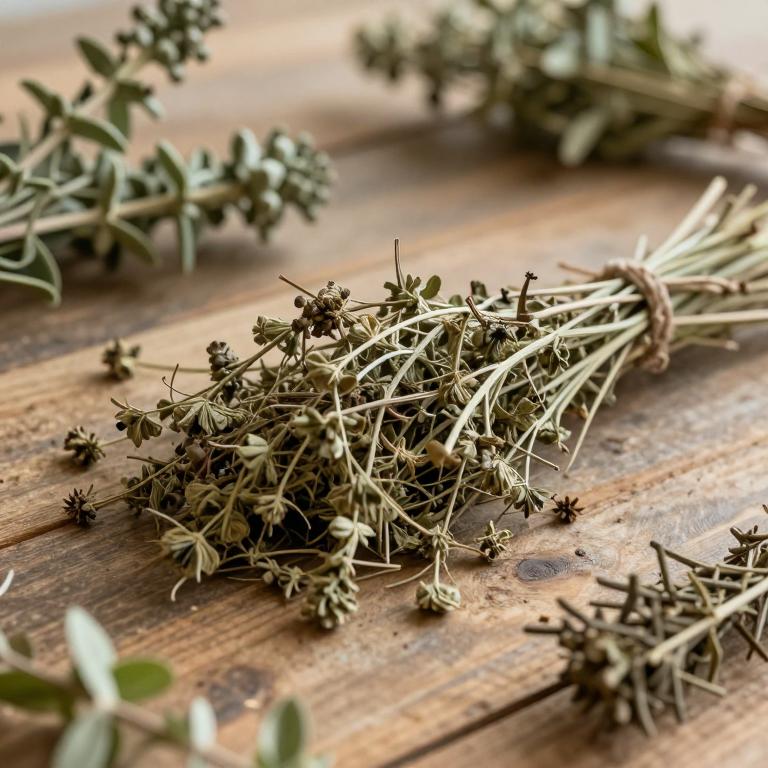
, scientifically known as Phlomis anisodonta, is a distinctive perennial herb celebrated in traditional herbal medicine. Native to mountainous regions, this plant features unique, textured foliage and striking yellow blooms. It is primarily valued for its bioactive compounds, which offer potential therapeutic benefits for inflammatory and digestive health conditions.
- Family
- Lamiaceae
- Native range
- Asia-Temperate
- Parts used
- Not available
- Common names
- Not available
- Scientific synonyms
- Not available
Names and Synonyms
Scientific Names
Accepted name
Phlomis anisodontaSources: Wikidata
Taxonomical Classification
This plant belongs to the kingdom Plantae and the phylum Streptophyta, falling under the class Equisetopsida and subclass Magnoliidae. Within the order Lamiales, it is classified under the family Lamiaceae and specifically within the genus Phlomis.
| Rank | Classification |
|---|---|
| Kingdom | Plantae |
| Phylum | Streptophyta |
| Class | Equisetopsida |
| Subclass | Magnoliidae |
| Order | Lamiales |
| Family | Lamiaceae |
| Genus | Phlomis |
Sources: The World Checklist of Vascular Plants (WCVP)
Distribution
This plant, known scientifically as Phlomis anisodonta, exhibits a specific and limited geographical range within the Middle East. Its natural habitat is primarily concentrated in the region of Western Asia. Specifically, documented populations can be found growing within the borders of Iran. Additionally, the species is distributed across parts of Iraq. This narrow distribution highlights the particular environmental requirements necessary for its survival.
| Region | Area |
|---|---|
| Western Asia | Iran |
| Western Asia | Iraq |
Sources: The World Checklist of Vascular Plants (WCVP)
Botanical Identification
Life history
The life history of Phlomis anisodonta is characterized by its specific growth strategy and structural classification within its ecosystem. Based on its physiological development and survival mechanisms, the species is classified under the life form of a chamaephyte, which indicates that its perennating buds are located near or just above the soil surface. This classification is consistently identified through both its primary life form categorization as a chamaephyte and its specific ecological niche as a chamaephyte, ensuring its ability to withstand seasonal environmental fluctuations by maintaining its vital buds close to the ground level.
- Life form :
- chamaephyte
Morphology
The morphology of Phlomis anisodonta is characterized by a growth habit that is strictly self-supporting, as it functions as a non-climbing organism rather than an obligatory, facultative, or self-supporting climber. It is an independent species that does not exhibit parasitic behavior, maintaining an independent life cycle without relying on a host. Furthermore, the plant is fundamentally terrestrial in its ecological positioning, lacking any epiphytic tendencies and instead establishing itself firmly within the soil as a terrestrial organism.
- Climber :
- self-supporting
- Epiphyte :
- terrestrial
- Parasite :
- independent
Sources: Global Inventory of Floras and Traits (GIFT)
Chemicals
Phlomis anisodonta has 1 reported phytochemicals identified across 0 scientific publications and several other databases. The most consistently reported chemicals include Verbascoside.
| Chemical | Supporting sources | Consensus |
|---|---|---|
| Verbascoside | 1 supporting sources | ★☆☆☆☆ |
Verbascoside
- Daru : journal of Faculty of Pharmacy, Tehran University of Medical Sciences
Conditions
Phlomis anisodonta has 1 reported investigations on conditions identified across 0 scientific publications and several other databases. The most consistently reported conditions include Lipid peroxidation.
| Condition | Supporting sources | Consensus |
|---|---|---|
| Lipid peroxidation | 1 supporting sources | ★☆☆☆☆ |
Lipid peroxidation
- Inflammation & allergy drug targets