Phlogacanthus thyrsiformis
Phlogacanthus thyrsiformis · Accepted scientific name
Scientific literature: Very Sparse (0 studies) · ★☆☆☆☆
Phlogacanthus thyrsiformis is a plant species that has garnered significant scientific interest due to its diverse pharmacological potential. Research focusing on its medicinal properties has specifically highlighted the effectiveness of ethanolic leaf extracts. These preparations have demonstrated remarkable biological activities, including potent antiHIV and anticarcinomic effects. Furthermore, the plant exhibits notable antifeedant and antiflu capabilities, suggesting its utility in combating various pathogens. Consequently, studying this species offers promising avenues for developing new therapeutic agents derived from its leaves.
- Synonyms
- Phlogacanthus Thyrsiflorus · Justicia Thyrsiformis · 2 more
- Common names
- Not available
- Family
- Acanthaceae
- Distribution
- Not available
- Plant Parts
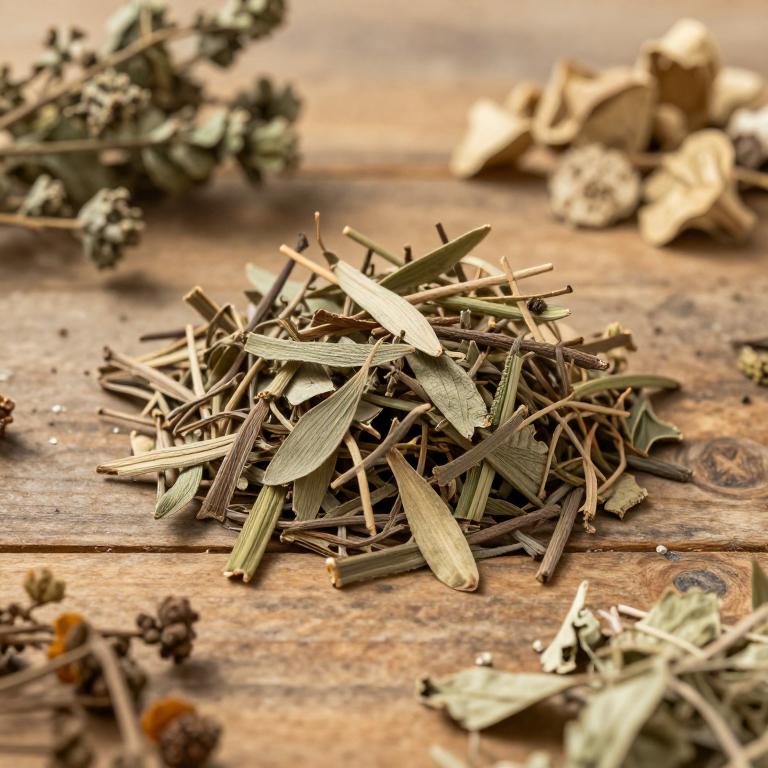
- Leaf
Classification
Common Names
Phlogacanthus thyrsiformis is a striking plant recognized by various regional and descriptive titles. It is widely known by its common name, Red Flame-Acanthus, which highlights its vibrant appearance. In certain local contexts, the species is also frequently referred to as nongmangkha. These diverse names reflect the plant's unique identity across different cultures and botanical discussions. Understanding these various appellations helps enthusiasts identify this distinctive species more easily.
Sources: Catalogue of Life (COL)
Synonyms
Phlogacanthus thyrsiformis is a botanical subject that has historically been associated with several different scientific names. Due to varying taxonomic classifications, it is recognized by synonyms such as Justicia thyrsiflora and Justicia thyrsiformis. The plant is also linked to the names Justicia thyrsoides and Phlogacanthus longisepalus in various botanical records. Furthermore, the designation Phlogacanthus thyrsiflorus serves as another synonymous identifier for this species. Navigating these multiple nomenclatures is essential for researchers seeking to accurately identify the plant across different studies.
Sources: The World Checklist of Vascular Plants (WCVP)
Taxonomy
Phlogacanthus thyrsiformis is a distinct biological entity that belongs to the vast kingdom Plantae. Within this expansive group, the species is classified under the class Equisetopsida. It further resides in the order Lamiales, a group known for diverse botanical characteristics. As a member of the family Acanthaceae, it shares structural traits with many related flowering plants. Ultimately, this species is defined by its specific placement within the genus Phlogacanthus.
| Rank | Classification |
|---|---|
| Kingdom | Plantae |
| Phylum | Streptophyta |
| Class | Equisetopsida |
| Subclass | Magnoliidae |
| Order | Lamiales |
| Family | Acanthaceae |
| Genus | Phlogacanthus |
Sources: The World Checklist of Vascular Plants (WCVP)
Distribution
Geographic Regions
Phlogacanthus thyrsiformis is a botanical species primarily found throughout the tropical regions of Asia. Its distribution is most concentrated within the Indian Subcontinent, where it thrives across diverse landscapes. Specifically, this plant can be located in various parts of India, including the lush areas of Assam. It also extends its reach into neighboring countries such as Bangladesh and Nepal. Furthermore, its presence is noted throughout the unique ecosystems of the East Himalaya.
Sources: The World Checklist of Vascular Plants (WCVP)
Identification
Morphology
Phlogacanthus thyrsiformis grows in a distinctive shrub form, creating a dense and bushy presence in its natural habitat. This plant is entirely self-supporting, maintaining its structural integrity without the need for external climbing aids.
Sources: Global Inventory of Floras and Traits (GIFT)
Biological Activities
Compounds
Conditions
Phlogacanthus thyrsiformis demonstrates significant anticancer potential through its ability to inhibit the growth of various human cancer cell lines. Specifically, the ethanolic leaf extracts of this plant show a growth inhibition of greater than 50% against the MCF 7 human breast adenocarcinoma cell line. It also effectively treats the HeLa human cervix adenocarcinoma cell line at a concentration of 50 μg/ml. Furthermore, the plant exhibits cytotoxic activity against the HepG2 human hepatocarcinoma cell line. These findings highlight the plant's efficacy in targeting multiple types of malignant cells in an in vitro setting.
Preparations
Phlogacanthus thyrsiformis is prepared as ethanolic leaf extracts to evaluate its potential medicinal properties. These specific extracts were tested for their in vitro cytotoxic activity against several human cancer cell lines. During the study, the plant demonstrated a growth inhibition of more than 50% at a concentration of 50 μg/ml. This testing process was part of a broader screening of traditional medicinal plants from the Darjeeling district. The use of ethanolic leaf extracts allows for the investigation of the plant's effectiveness against cancer cells such as MCF 7, HepG2, and HeLa.
Parts used
Phlogacanthus thyrsiformis is one of the significant medicinal plants identified during the investigation of anticancer properties in the Darjeeling Himalayas. In this study, researchers specifically utilized the ethanolic leaf extracts of the species to evaluate its biological impact. The testing revealed that the plant's leaves possess the ability to inhibit the growth of various human cancer cell lines by more than 50% at a concentration of 50 μg/ml. This demonstrates that the leaf component contains bioactive compounds capable of exerting cytotoxic effects against malignant cells. Such findings highlight the potential of using this plant's foliage as a source for developing new pharmacological treatments.