Phlogacanthus albiflorus
Phlogacanthus albiflorus · Accepted scientific name
Scientific literature: Very Sparse (6 studies) · ★☆☆☆☆
Phlogacanthus albiflorus, scientifically known as Phlogacanthus albiflorus, is a remarkable medicinal plant valued for its diverse therapeutic properties. Native to specific tropical regions, this species is traditionally utilized in herbal medicine to address various ailments, offering significant potential for pharmacological research and the development of natural remedies.
- Family
- Acanthaceae
- Native range
- Asia-Tropical
- Parts used
- Leaf · Stem
- Common names
- Not available
- Scientific synonyms
- Diotacanthus Albiflorus
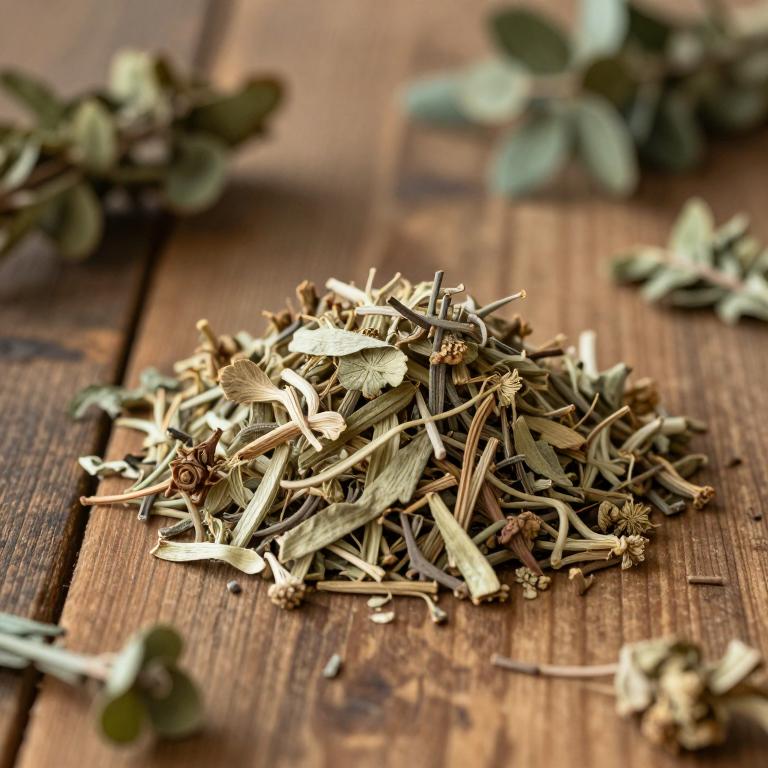
Names and Synonyms
Scientific Names
Accepted name
Phlogacanthus albiflorusSynonyms
- Diotacanthus albiflorus
Sources: Wikidata
Taxonomical Classification
This plant belongs to the kingdom Plantae and the phylum Streptophyta, falling under the class Equisetopsida and subclass Magnoliidae. Within the order Lamiales, it is classified under the family Acanthaceae. Finally, it is identified by its genus, Phlogacanthus, and its specific species name, albiflorus.
| Rank | Classification |
|---|---|
| Kingdom | Plantae |
| Phylum | Streptophyta |
| Class | Equisetopsida |
| Subclass | Magnoliidae |
| Order | Lamiales |
| Family | Acanthaceae |
| Genus | Phlogacanthus |
Sources: The World Checklist of Vascular Plants (WCVP)
Distribution
This plant, known scientifically as Phlogacanthus albiflorus, possesses a very specific and localized geographical range. Its presence is primarily recorded within the vast expanse of the Indian Subcontinent. Within this large region, the species is specifically documented to grow in India. This limited distribution suggests that the plant may rely on particular environmental conditions unique to this area. Consequently, researchers studying its habitat focus their efforts on the diverse landscapes found across the Indian territory.
| Region | Area |
|---|---|
| Indian Subcontinent | India |
Sources: The World Checklist of Vascular Plants (WCVP)
Plant Parts
Phlogacanthus albiflorus has 2 reported plant parts identified across 2 scientific publications and several other databases that are studied for medicinal purposes. The most consistently reported plant part include leaf, stem.
| Plant part | Supporting sources | Consensus |
|---|---|---|
| Leaf | 1 supporting sources | ★☆☆☆☆ |
| Stem | 1 supporting sources | ★☆☆☆☆ |
Leaf
- Saudi journal of biological sciences
Stem
- Saudi journal of biological sciences
Chemicals
Phlogacanthus albiflorus has 4 reported phytochemicals identified across 2 scientific publications and several other databases. The most consistently reported chemicals include Flavonoid, Gallic acid, ferulic acid, o-Coumaric acid.
| Chemical | Supporting sources | Consensus |
|---|---|---|
| Flavonoid | 1 supporting sources | ★☆☆☆☆ |
| Gallic acid | 1 supporting sources | ★☆☆☆☆ |
| ferulic acid | 1 supporting sources | ★☆☆☆☆ |
| o-Coumaric acid | 1 supporting sources | ★☆☆☆☆ |
Flavonoid
- Saudi journal of biological sciences
Gallic acid
- Saudi journal of biological sciences
ferulic acid
- Saudi journal of biological sciences
o-Coumaric acid
- Saudi journal of biological sciences
Preparations
Phlogacanthus albiflorus has 2 reported preparations identified across 2 scientific publications and several other databases. The most consistently reported preparations include herbal capsules, stem bark.
| Preparation | Supporting sources | Consensus |
|---|---|---|
| Herbal capsules | 1 supporting sources | ★☆☆☆☆ |
| Stem bark | 1 supporting sources | ★☆☆☆☆ |
Herbal capsules
- Saudi journal of biological sciences
Stem bark
- Saudi journal of biological sciences