Thaumatophyllum bipinnatifidum
Philodendron bipinnatifidum · Accepted scientific name
Scientific literature: Very Sparse (14 studies) · ★☆☆☆☆
Thaumatophyllum bipinnatifidum, scientifically known as Philodendron bipinnatifidum, is a striking tropical plant celebrated for its large, deeply lobed foliage. Beyond its ornamental appeal, it holds significance in traditional ethnobotany. Understanding its unique biological properties and historical medicinal uses offers fascinating insights into the diverse healing potential of tropical flora.
- Family
- Araceae
- Native range
- Asia-Tropical
- Parts used
- Stem
- Common names
- Selloum
- Scientific synonyms
- Thaumatophyllum Bipinnatifidum · Philodendron Sellowii · 2 more
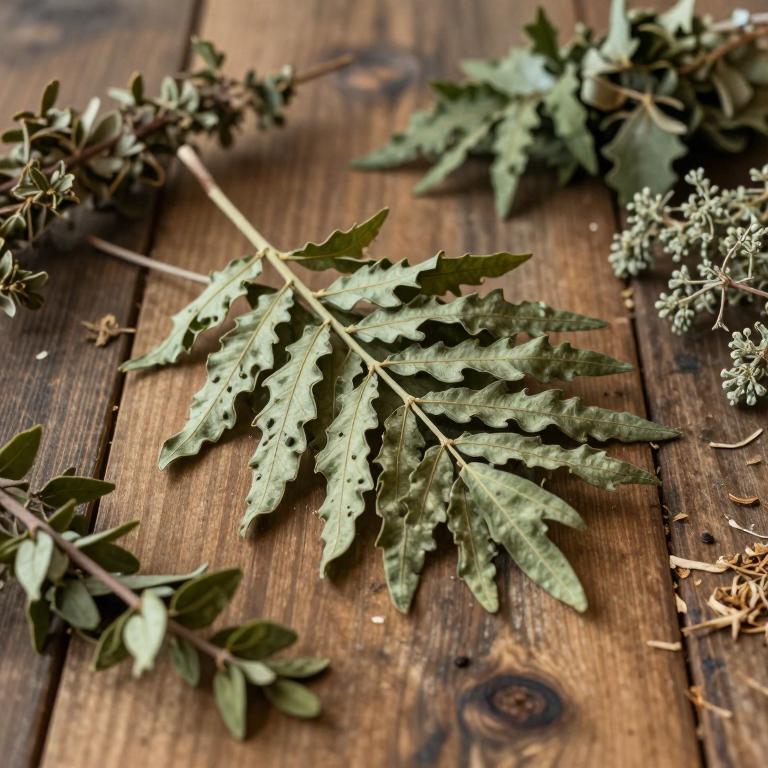
Names and Synonyms
Common Names
- selloum
Scientific Names
Accepted name
Philodendron bipinnatifidumSynonyms
- Thaumatophyllum bipinnatifidum
- Philodendron sellowii
- Philodendron selloum
- Philodendron pygmaeum
Regional and Traditional Names
Spanish:
- Aimbé
- Cipo imbé
- Banana de imbe
- Cipo-imbe
- Banana de imbé
- Philodendron mellobarretoanum
- Guembe
- Aimbe
- Banano de mono
- Guembé
- Cipó-imbe
- Cipo-imbé
- Cipo imbe
- Cipó imbé
- Wembe
- Guaimbê
- Guaimbe
German:
- Thaumatophyllum bipinnatifidum
- Baum-Philodendron
Sources: Wikidata, Catalogue of Life
Taxonomical Classification
This plant belongs to the kingdom Plantae and is classified under the phylum Streptophyta and the class Equisetopsida. Within the subclass Magnoliidae and the order Alismatales, it is further categorized into the family Araceae. Finally, it is identified by the genus Philodendron.
| Rank | Classification |
|---|---|
| Kingdom | Plantae |
| Phylum | Streptophyta |
| Class | Equisetopsida |
| Subclass | Magnoliidae |
| Order | Alismatales |
| Family | Araceae |
| Genus | Philodendron |
Sources: The World Checklist of Vascular Plants (WCVP)
Distribution
This plant exhibits a diverse geographical distribution spanning across several continents and regions. In Central America, it can be found growing within the borders of Belize. Its range extends into the Indian Subcontinent, where it is specifically located in Bangladesh. Within South America, the species is present in Bolivia and occupies significant portions of Brazil, specifically in the Southeast and South regions. Consequently, the distribution of Philodendron bipinnatifidum covers a wide variety of tropical landscapes.
| Region | Area |
|---|---|
| Indian Subcontinent | Bangladesh |
| Central America | Belize |
| Western South America | Bolivia |
| Brazil | Brazil Southeast |
| Brazil | Brazil South |
| Southern South America | Argentina Northeast |
| Southern South America | Paraguay |
Sources: The World Checklist of Vascular Plants (WCVP)
Plant Parts
Philodendron bipinnatifidum has 1 reported plant parts identified across 1 scientific publications and several other databases that are studied for medicinal purposes. The most consistently reported plant part include stem.
| Plant part | Supporting sources | Consensus |
|---|---|---|
| Stem | 1 supporting sources | ★☆☆☆☆ |
Stem
- Journal of ethnopharmacology
Chemicals
Philodendron bipinnatifidum has 5 reported phytochemicals identified across 1 scientific publications and several other databases. The most consistently reported chemicals include Flavonoids, Phytosterols, STIGMASTEROL, luteolin, quercetin.
| Chemical | Supporting sources | Consensus |
|---|---|---|
| Flavonoids | 1 supporting sources | ★☆☆☆☆ |
| Phytosterols | 1 supporting sources | ★☆☆☆☆ |
| STIGMASTEROL | 1 supporting sources | ★☆☆☆☆ |
| luteolin | 1 supporting sources | ★☆☆☆☆ |
| quercetin | 1 supporting sources | ★☆☆☆☆ |
Flavonoids
- Journal of ethnopharmacology
Phytosterols
- Journal of ethnopharmacology
STIGMASTEROL
- Journal of ethnopharmacology
luteolin
- Journal of ethnopharmacology
quercetin
- Journal of ethnopharmacology
Activities
Philodendron bipinnatifidum has 2 reported activities identified across 1 scientific publications and several other databases. The most consistently reported activities include Analgesic, Antinociceptive.
| Activity | Supporting sources | Consensus |
|---|---|---|
| Analgesic | 1 supporting sources | ★☆☆☆☆ |
| Antinociceptive | 1 supporting sources | ★☆☆☆☆ |
Analgesic
- Journal of ethnopharmacology
Antinociceptive
- Journal of ethnopharmacology
Conditions
Philodendron bipinnatifidum has 5 reported investigations on conditions identified across 1 scientific publications and several other databases. The most consistently reported conditions include erysipelas, inflammation, orchitis, oxidative stress, rheumatism.
| Condition | Supporting sources | Consensus |
|---|---|---|
| Erysipelas | 1 supporting sources | ★☆☆☆☆ |
| Inflammation | 1 supporting sources | ★☆☆☆☆ |
| Orchitis | 1 supporting sources | ★☆☆☆☆ |
| Oxidative stress | 1 supporting sources | ★☆☆☆☆ |
| Rheumatism | 1 supporting sources | ★☆☆☆☆ |
Erysipelas
- Journal of ethnopharmacology
Inflammation
- Journal of ethnopharmacology
Orchitis
- Journal of ethnopharmacology
Oxidative stress
- Journal of ethnopharmacology
Rheumatism
- Journal of ethnopharmacology
Preparations
Philodendron bipinnatifidum has 1 reported preparations identified across 1 scientific publications and several other databases. The most consistently reported preparations include Philodendron bipinnatifidum plant extract.
| Preparation | Supporting sources | Consensus |
|---|---|---|
| Philodendron bipinnatifidum plant extract | 1 supporting sources | ★☆☆☆☆ |
Philodendron bipinnatifidum plant extract
- International journal of biological macromolecules