Philadelphus microphyllus
Philadelphus microphyllus · Accepted scientific name
Scientific literature: Very Sparse (0 studies) · ★☆☆☆☆
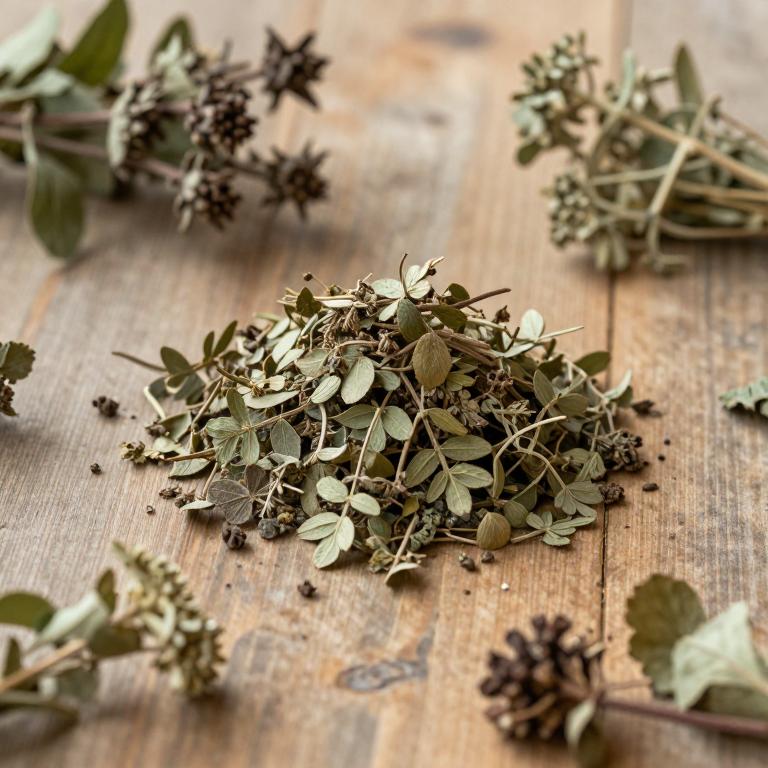
Philadelphus microphyllus is a distinctive shrub native to the arid regions of the Southwestern United States. This species is characterized by its small, delicate leaves and clusters of fragrant white flowers. In various traditional practices, the plant has been utilized for its specific medicinal properties. Among its primary preparations, liquid extracts are commonly used to harness its bioactive components. These concentrated extracts serve as a vital way to study and apply the plant's natural potential.
- Synonyms
- Not available
- Common names
- Not available
- Family
- Hydrangeaceae
- Distribution
- Not available
- Plant Parts
- Not available
Classification
Common Names
Philadelphus microphyllus is a versatile shrub known by several different common names depending on the region. Many gardeners and botanists refer to it as the littleleaf mock orange or the small-leaved mock-orange. It is also frequently called the silver mock orange due to its distinctive foliage. In certain habitats, you may encounter it locally as the desert mock orange. Some may even use the name kleine jasmijn to describe this fragrant plant.
Sources: Catalogue of Life (COL)
Taxonomy
Philadelphus microphyllus belongs to the vast kingdom Plantae, representing a unique branch of the natural world. Within this kingdom, it is classified under the class Equisetopsida and follows the biological order Cornales. This specific plant is a member of the Hydrangeaceae family, which highlights its botanical connections. Furthermore, it is nested within the distinct genus Philadelphus. Through these scientific classifications, we gain a deeper understanding of its structural and evolutionary lineage.
| Rank | Classification |
|---|---|
| Kingdom | Plantae |
| Phylum | Streptophyta |
| Class | Equisetopsida |
| Subclass | Magnoliidae |
| Order | Cornales |
| Family | Hydrangeaceae |
| Genus | Philadelphus |
Sources: The World Checklist of Vascular Plants (WCVP)
Distribution
Geographic Regions
Philadelphus microphyllus exhibits a remarkably broad and diverse geographical distribution across multiple continents. In Asia, this species can be found throughout temperate regions, specifically within Central Asia and Uzbekistan. Its reach extends significantly into Northern America, where it inhabits various parts of Mexico, including both the northeast and northwest sectors. Within the United States, the plant is notably present in the Northwestern region, spanning across Colorado and Wyoming. This widespread presence highlights the plant's ability to adapt to diverse environmental conditions across the globe.
Sources: The World Checklist of Vascular Plants (WCVP)
Identification
Morphology
Philadelphus microphyllus is a distinctively self-supporting species that takes the form of a compact shrub. This plant typically maintains a modest stature, generally reaching a height between 0.5 m and 1 m. However, its growth patterns can vary significantly depending on environmental conditions. Under certain circumstances, the specimen may reach an impressive maximum height of 4.6 m. Understanding these diverse dimensions is essential for integrating the species into a garden landscape.
Sources: Global Inventory of Floras and Traits (GIFT)
Biological Activities
Compounds
Conditions
Philadelphus microphyllus exhibits significant antibacterial activity according to recent research on various plant families. This specific plant was identified as one of the species that manifested a strong effect against tested bacterial strains. Its extracts contribute to the observed inhibition of bacterial growth within the studied samples. While the total inhibition range for the group was between 0% and 41.8%, this species remains a key contributor to the documented antimicrobial properties. The study highlights its effectiveness alongside other selected extracts from the Philadelphaceae and related families.
Preparations
Philadelphus microphyllus is prepared as extracts to evaluate its medicinal potential. These specific extracts were studied for their ability to demonstrate antibacterial activity against various strains. Among the tested botanical samples, the preparations from this plant species exhibited a strong inhibitory effect. The research highlights how these processed extracts function in suppressing bacterial growth. This preparation method is essential for identifying the antimicrobial properties inherent in the species.