Phellodendron
Phellodendron · Accepted scientific name
Scientific literature: Very Sparse (3 studies) · ★☆☆☆☆
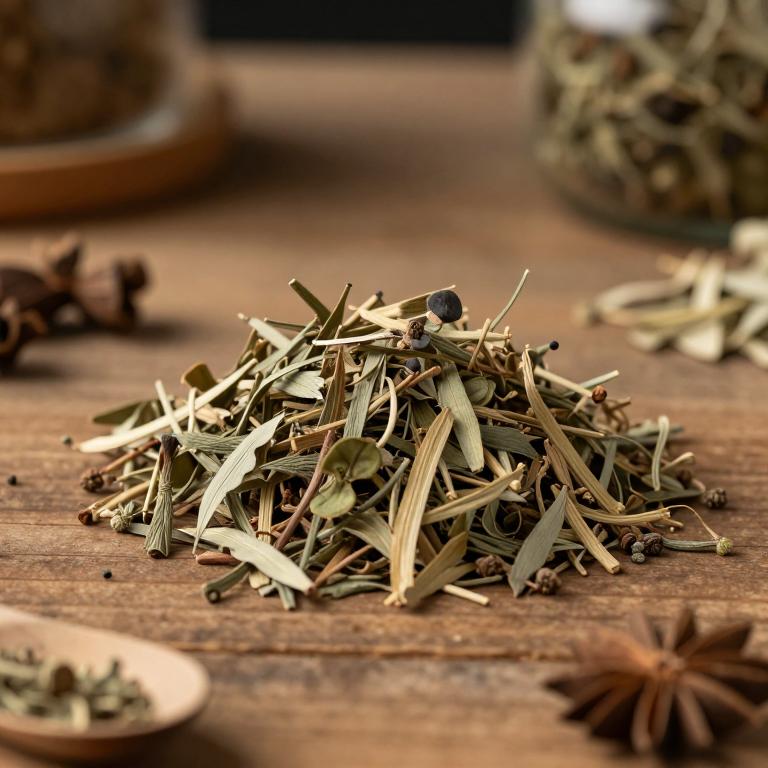
Phellodendron is a medicinal plant known for its diverse therapeutic profile and significant biological importance. The cortex of this plant is frequently utilized in various traditional preparations to harness its healing properties. It contains potent bioactive chemicals, including berberine, stigmasterol, kaempferol, and quercetin. These compounds contribute to its impressive antimicrobial and antioxidant activities. Most notably, Phellodendron demonstrates strong antidiabetic potential, making it a subject of great interest for managing blood sugar levels.
- Synonyms
- Not available
- Common names
- Not available
- Family
- Rutaceae
- Distribution
- Not available
- Plant Parts
- Not available
Classification
Common Names
Phellodendron is a versatile genus that is recognized by several different names depending on the region and language. It is most frequently referred to by the common English names corktree, cork-tree, or corktrees. In some European contexts, you may also encounter the term Korkbaum to describe this plant. Furthermore, the Finnish name korkkipuut is used to identify it within its local botanical landscape. These various designations all point to the same unique botanical family.
Sources: Catalogue of Life (COL)
Taxonomy
Phellodendron belongs to the vast kingdom Plantae, encompassing a diverse array of living organisms. Within this kingdom, it is classified under the class Equisetopsida, marking its place among the vascular plants. It further descends through the order Sapindales, a group that includes many significant woody species. As a member of the Rutaceae family, it shares botanical traits with other well-known citrus-related plants. Ultimately, this plant is defined by its unique identity within the genus Phellodendron.
| Rank | Classification |
|---|---|
| Kingdom | Plantae |
| Phylum | Streptophyta |
| Class | Equisetopsida |
| Subclass | Magnoliidae |
| Order | Sapindales |
| Family | Rutaceae |
| Genus | Phellodendron |
Sources: The World Checklist of Vascular Plants (WCVP)
Distribution
Geographic Regions
Phellodendron exhibits a broad distribution across various temperate regions of Asia. Its presence is notable in Central Asia, specifically within the territories of Tajikistan and Uzbekistan. The genus also spans significant portions of China, including the North-Central provinces. Furthermore, it can be found throughout the South-Central and Southeast regions of the country. This wide geographical range highlights the plant's adaptability to diverse Asian landscapes.
Sources: The World Checklist of Vascular Plants (WCVP)
Identification
Biological Activities
Phellodendron is recognized in botanical research for its significant therapeutic potential, particularly through the production of the alkaloid berberine. This valuable compound is known to exhibit potent antimicrobial and antidiabetic activities, making the plant a subject of intense pharmacological interest. Furthermore, studies involving medicinal plant networks highlight that Phellodendron contributes to broader antioxidant effects within complex herbal formulations. By utilizing advanced methods like network pharmacology, researchers have identified how its active ingredients help reduce inflammation and promote cellular repair. Ultimately, these diverse biological activities underscore the plant's importance in developing modern medicinal treatments.
Compounds
Phellodendron is a versatile medicinal plant recognized for its rich profile of bioactive compounds. Research indicates that this plant contains berberine, an important alkaloid utilized for its antimicrobial and antidiabetic properties. Furthermore, Phellodendron serves as a source of several key active components, including quercetin and kaempferol. It also contains stigmasterol, which contributes to the plant's overall therapeutic potential. Together, these diverse chemical constituents enable Phellodendron to exert significant anti-inflammatory and antioxidant effects.
Conditions
Phellodendron species are significant botanical sources of the alkaloid berberine. This specific compound is recognized for its effectiveness as an antimicrobial agent. Additionally, berberine serves as a potent tool in treating antidiabetic conditions. The presence of these therapeutic properties in Phellodendron is linked to its complex specialized metabolism. Research into its biosynthetic pathways helps clarify how the plant produces these medicinal alkaloids.
Preparations
Phellodendron is prepared as cortex to be utilized within the traditional Chinese medicine "treating skin with skin" therapy. In the research presented, this specific medicinal material is identified as a key component of the core prescription. The use of Phellodendri Cortex is highlighted through cluster analysis alongside other bark-derived materials like Dictamni cortex. This preparation plays a vital role in the synergistic mechanism that targets various skin disease-related pathways. Ultimately, the cortex of Phellodendron serves as a primary ingredient in a highly effective, scientifically validated medicinal network.