Phaseolus acutifolius var. acutifolius
Phaseolus acutifolius var. acutifolius · Accepted scientific name
Scientific literature: Very Sparse (0 studies) · ★☆☆☆☆
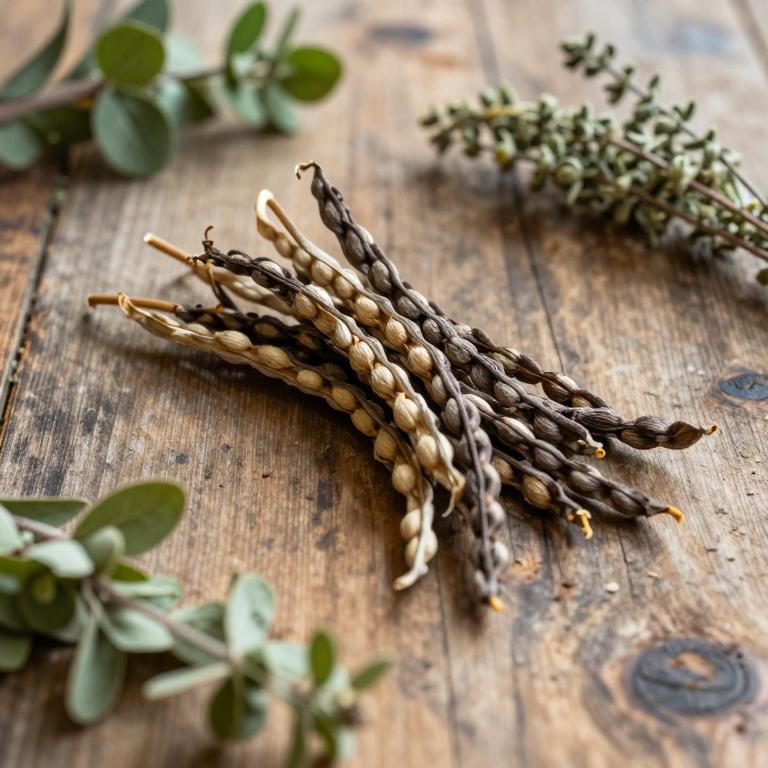
Phaseolus acutifolius var. acutifolius, commonly known as tepary bean, is a resilient legume native to the arid regions of the Southwestern United States and Mexico. This plant is highly valued for its ability to thrive in extreme heat and drought conditions where other crops might fail. Beyond its nutritional benefits, the species is a subject of significant biochemical interest due to its unique chemical profile. Specifically, researchers focus on the presence of lectin, a type of protein that can influence various biological processes. Understanding these chemical components is essential for maximizing the plant's potential in both food security and medicinal studies.
- Synonyms
- Phaseolus Acutifolius Var. Latifolius · Phaseolus Pauper
- Common names
- Not available
- Family
- Fabaceae
- Distribution
- Not available
- Plant Parts
- Not available
Classification
Common Names
Phaseolus acutifolius var. acutifolius is a versatile legume known by several distinct regional names. In English-speaking areas, it is most frequently referred to as the tepary bean. Depending on the local language and culture, it may also be called the teparybohne or the feijão-tepari. Additionally, the plant is recognized by the name escomite in certain traditional contexts. These various common names highlight the global presence and cultural significance of this unique variety.
Sources: Catalogue of Life (COL)
Synonyms
Phaseolus acutifolius var. acutifolius is a botanical entity that carries several recognized taxonomic synonyms. Within scientific literature, it is frequently identified by the synonym Phaseolus acutifolius var. latifolius. Furthermore, this specific variety is also known under the alternative name Phaseolus pauper. These overlapping designations can sometimes lead to confusion when navigating botanical databases. Understanding these relationships is essential for maintaining accuracy in plant identification and research.
Sources: The World Checklist of Vascular Plants (WCVP)
Taxonomy
Phaseolus acutifolius var. acutifolius is a distinct botanical specimen belonging to the kingdom Plantae. Within this vast kingdom, it is categorized under the class Equisetopsida. Its taxonomic journey continues through the order Fabales, placing it in a specific evolutionary lineage. Furthermore, the plant is a member of the family Fabaceae, which connects it to a diverse group of legumes. Finally, it is classified under the genus Phaseolus, defining its specific biological identity.
| Rank | Classification |
|---|---|
| Kingdom | Plantae |
| Phylum | Streptophyta |
| Class | Equisetopsida |
| Subclass | Magnoliidae |
| Order | Fabales |
| Family | Fabaceae |
| Genus | Phaseolus |
Sources: The World Checklist of Vascular Plants (WCVP)
Distribution
Geographic Regions
Phaseolus acutifolius var. acutifolius exhibits a remarkably broad geographical range that spans several continents and diverse climates. In Africa, this variety is widely distributed and can be specifically found throughout West Tropical Africa and Mali, as well as within the Macaronesia and Canary Islands regions. Its presence extends into the temperate zones of Asia, where it is established in Central Asian nations such as Kazakhstan and Kyrgyzstan. Furthermore, the plant thrives in the tropical landscapes of the Asian continent, particularly across the Indian Subcontinent. This widespread distribution highlights the remarkable adaptability of the species across varied ecological niches.
Sources: The World Checklist of Vascular Plants (WCVP)