Phanera championii
Phanera championii · Accepted scientific name
Scientific literature: Very Sparse (0 studies) · ★☆☆☆☆
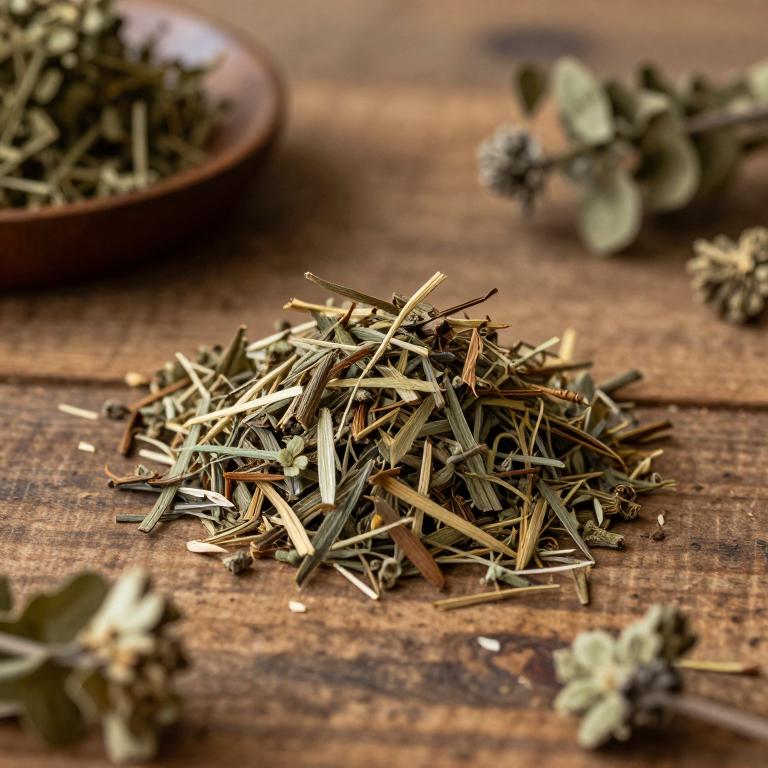
Phanera championii is a botanical species notable for its diverse range of phytochemical properties. The plant contains significant chemical compounds, including flavonoids, flavones, and dihydrokaempferol. Researchers often utilize the stem to produce specialized preparations such as ethanolic and ethyl acetate extracts. These extracts are studied for their potential to address various health conditions, including cough, fever, dysentery, and flatulence. Through these medicinal applications, the plant offers promising insights into traditional herbal pharmacology.
- Synonyms
- Bauhinia Championii · Bauhinia Championii Var. Acutifolia · 9 more
- Common names
- Not available
- Family
- Fabaceae
- Distribution
- Not available
- Plant Parts
- Stem
Classification
Common Names
Phanera championii is a fascinating botanical species known by several distinct names across different linguistic traditions. In English-speaking regions, it is most frequently referred to by its common name, Champion's Bauhinia. This identity translates into Russian as Баугиния Чэмпиона, maintaining its connection to its namesake. In East Asian contexts, the plant is recognized as キッカボク in Japanese and as 九龍藤 or 缺葉藤 in Chinese. These diverse naming conventions reflect the global interest and cultural presence of this unique plant.
Sources: Catalogue of Life (COL)
Synonyms
Phanera championii is a botanical species that is associated with several different taxonomic names. It is widely recognized by the synonym Bauhinia bonii in various scientific records. Furthermore, the plant is frequently referred to by the name Bauhinia championii. This classification also encompasses specific varieties, including Bauhinia championii var. acutifolia and Bauhinia championii var. rubiginosa. Finally, the name Bauhinia championii var. yingtakensis is documented as another synonym for this complex species.
Sources: The World Checklist of Vascular Plants (WCVP)
Taxonomy
Phanera championii is a distinct member of the kingdom Plantae that showcases the incredible diversity of the natural world. This species belongs to the genus Phanera, a classification that highlights its unique morphological characteristics. Within the biological hierarchy, it is categorized under the order Fabales and the family Fabaceae. Furthermore, its evolutionary placement is defined by its membership in the class Equisetopsida. Understanding these botanical relationships provides essential insight into the plant's place within the complex web of life.
| Rank | Classification |
|---|---|
| Kingdom | Plantae |
| Phylum | Streptophyta |
| Class | Equisetopsida |
| Subclass | Magnoliidae |
| Order | Fabales |
| Family | Fabaceae |
| Genus | Phanera |
Sources: The World Checklist of Vascular Plants (WCVP)
Distribution
Geographic Regions
Phanera championii displays a broad geographical presence that stretches across several distinct regions of Asia. Its distribution encompasses temperate zones in China, specifically within the South-Central and Southeast territories. The species is also found on the tropical island of Hainan and throughout Eastern Asia, including Taiwan. Beyond these mainland and island habitats, the plant extends its reach into the tropical Indian Subcontinent, notably in Assam. This diverse range highlights the plant's ability to adapt to various climates across the continent.
Sources: The World Checklist of Vascular Plants (WCVP)
Identification
Morphology
Phanera championii relies on an obligatory climbing habit to reach the sunlight it needs to thrive within its forest habitat.
Sources: Global Inventory of Floras and Traits (GIFT)
Biological Activities
Compounds
Phanera championii, also known as Bauhinia championii, is a medicinal plant that possesses a diverse profile of significant chemical constituents. Research has identified several key compounds within its vine stems and rattan, including the sterols beta-sitosterol and daucosterol. The plant is also characterized by the presence of various flavonoids, such as flavone, which has demonstrated the ability to attenuate apoptosis in cardiomyocytes. Furthermore, the plant contains dihydrokaempferol, an abundant compound that has shown potential in regulating synoviocyte apoptosis. These chemical relationships underscore the plant's pharmacological importance, particularly in the context of treating inflammatory conditions like rheumatoid arthritis.
Conditions
Phanera championii exhibits significant antioxidant capabilities by scavenging DPPH• and ABTS•+. The plant also demonstrates the ability to absorb peroxyl radicals through the ORAC assay. Furthermore, it serves to inhibit AAPH-induced supercoiled plasmid DNA strand scission. Research also indicates that Bauhinia championii attenuates H/R-induced myocardial apoptosis by improving mitochondrial dysfunction.
Preparations
Phanera championii is prepared as an ethanolic extract to facilitate the isolation of various chemical constituents through silica gel column chromatography. This specific extraction method allowed researchers to identify compounds such as 2,4,6-trimethoxyphenol 1-O-beta-D-(6'-O-galloyl)-glucopyranoside and daucosterol. Additionally, Phanera championii is prepared as an ethyl acetate extract to study its potential medicinal effects on synoviocytes. From this ethyl acetate extract, multiple flavonoids and other compounds, including dihydrokaempferol, were successfully isolated. The use of these different preparation methods serves to uncover the diverse bioactive properties found within the plant.
Parts used
Phanera championii, also known as Bauhinia championii, possesses a distinct vine stem that serves as a rich source of bioactive chemical constituents. Researchers have conducted detailed studies to isolate specific compounds from the ethanolic extract of this plant's stem. Through the use of silica gel column chromatography and spectral analyses, several important structures were successfully elucidated. The investigation led to the identification of five key compounds, including 2,4,6-trimethoxyphenol 1-O-beta-D-(6'-O-galloyl)-glucopyranoside and (+/-)-lyoniresinol. Notably, the first four compounds isolated from this part of the plant represent significant new findings for botanical science.