Phagnalon saxatile
Phagnalon saxatile · Accepted scientific name
Scientific literature: Very Sparse (0 studies) · ★☆☆☆☆
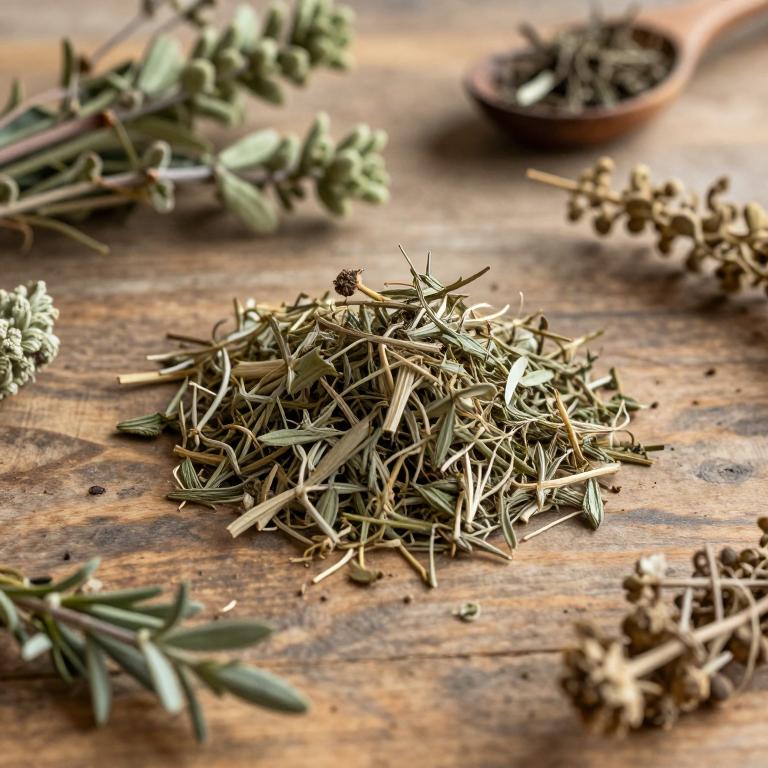
Phagnalon saxatile is a remarkable botanical species known for its significant therapeutic potential in modern herbal medicine. Recent scientific investigations have highlighted its potent antioxidant properties, which help combat oxidative stress within the body. Furthermore, this plant demonstrates promising antidiabetic effects, making it a subject of great interest for metabolic health research. Researchers are particularly focused on extracting its bioactive compounds through the preparation of high-quality essential oils. These concentrated extracts serve as a vital medium for delivering the plant's medicinal benefits effectively.
- Synonyms
- Phagnalon Saxatile Proles Lagascae · Gnaphalium Uniflorum · 10 more
- Common names
- Not available
- Family
- Asteraceae
- Distribution
- Not available
- Plant Parts
- Not available
Classification
Common Names
Phagnalon saxatile is a versatile plant known by a diverse array of regional common names. Depending on its specific habitat, it is frequently referred to as Alecrim-das-paredes-das-brácteas-estreitas or simply Alecrim-dos-muros. When found growing in higher elevations or structures, locals often call it Alecrim-dos-telhados. It also carries unique identifiers such as Allui fogu and Artemisa borda in certain botanical contexts. These varied names highlight the plant's widespread presence and its deep integration into local vernacular.
Sources: Catalogue of Life (COL)
Synonyms
Phagnalon saxatile is a botanical subject characterized by a complex web of taxonomic synonyms. Within scientific literature, this plant is frequently identified under the name Conyza intermedia or Conyza saxatilis. It has also been historically classified as Gnaphalium saxatile and Gnaphalium uniflorum. Furthermore, researchers may encounter the variation known as Gnaphalon saxatile when studying its lineage. Understanding these overlapping names is essential for maintaining accuracy in plant identification and documentation.
Sources: The World Checklist of Vascular Plants (WCVP)
Taxonomy
Phagnalon saxatile is a distinctive species belonging to the vast kingdom Plantae. Within this biological realm, the plant is classified under the class Equisetopsida. It falls under the order Asterales, which helps define its structural characteristics. As a member of the genus Phagnalon, it shares specific evolutionary traits with its closest relatives. Ultimately, this plant is most recognized as a notable representative of the diverse Asteraceae family.
| Rank | Classification |
|---|---|
| Kingdom | Plantae |
| Phylum | Streptophyta |
| Class | Equisetopsida |
| Subclass | Magnoliidae |
| Order | Asterales |
| Family | Asteraceae |
| Genus | Phagnalon |
Sources: The World Checklist of Vascular Plants (WCVP)
Distribution
Geographic Regions
Phagnalon saxatile maintains a broad geographical presence across several key regions. Its distribution spans the African continent, specifically reaching into Northern Africa with populations found in Algeria and Libya. The species is also well-represented throughout the Macaronesia region. This includes specialized habitats within the Canary Islands, Madeira, and the Selvagens. Consequently, these diverse locations highlight the plant's significant ecological reach across both mainland and island territories.
Sources: The World Checklist of Vascular Plants (WCVP)
Identification
Morphology
Phagnalon saxatile is a self-supporting plant that characterizes its habitat through a distinct shrub growth form. This species typically maintains a compact stature, reaching a maximum height of 0.5 meters. Depending on environmental conditions, individual specimens may grow as small as 0.15 meters. Such consistent dimensions contribute to the unique structural profile of this resilient shrub.
Sources: Global Inventory of Floras and Traits (GIFT)
Biological Activities
Compounds
Conditions
Phagnalon saxatile exhibits a wide range of medicinal properties through its secondary metabolites. This plant species has been reported to possess significant antidiabetic capabilities. It also functions as an effective antioxidant within various biological levels. Furthermore, the plant demonstrates important antimicrobial activities. Finally, Phagnalon saxatile is recognized for its antitumor properties.
Preparations
Phagnalon saxatile is prepared as essential oils derived from its aerial parts. These oils were specifically analyzed using gas chromatography-mass spectrometry to determine their chemical composition. The resulting extracts are characterized by a high concentration of monoterpene hydrocarbons, with β-pinene serving as the primary constituent. Such preparations are significant due to the varied biological properties associated with the genus, including antimicrobial and antioxidant effects. Consequently, the study of these specific oils provides important chemotaxonomic insights into the species.