Phagnalon rupestre
Phagnalon rupestre · Accepted scientific name
Scientific literature: Very Sparse (0 studies) · ★☆☆☆☆
Phagnalon rupestre is a botanical species that has garnered significant scientific interest due to its diverse range of therapeutic potential. Research indicates that various preparations, including ethanolic, aqueous, and methanol extracts, possess notable biological activities. Specifically, the plant demonstrates promising antidiabetic and antioxidant properties that may aid in metabolic health. Furthermore, its extracts have shown efficacy in combating microbial threats such as Candida albicans and Escherichia coli. Studies involving different parts of the plant, including the bark, continue to uncover its medicinal value in pharmacological applications.
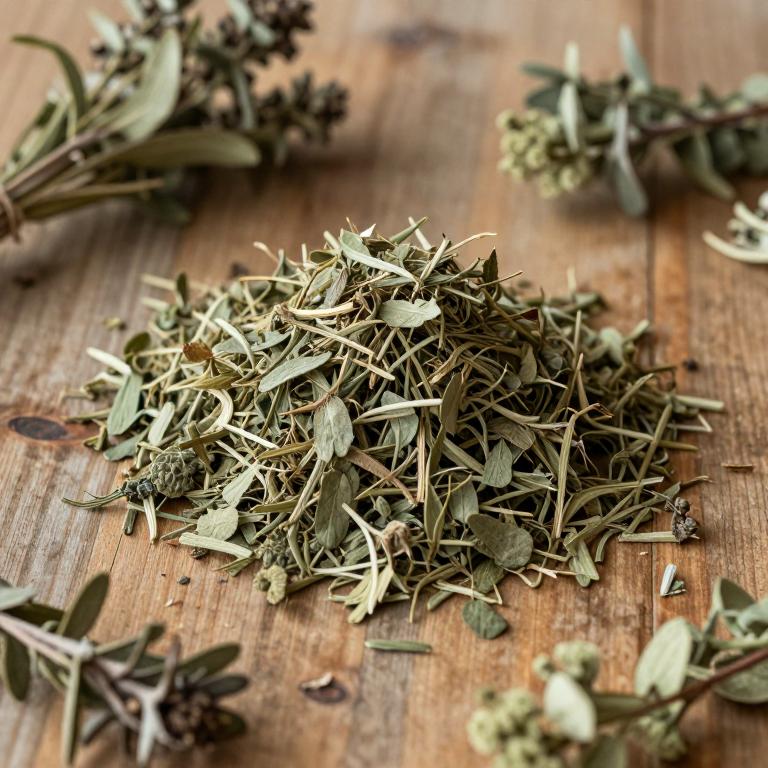
- Synonyms
- Phagnalon Saxatile Subsp. Rupestre · Gnaphalon Rupestre · 1 more
- Common names
- Not available
- Family
- Asteraceae
- Distribution
- Asia-Tropical
- Plant Parts
- Not available
Classification
Common Names
Phagnalon rupestre is a fascinating plant known by a variety of regional and linguistic identifiers. While often referred to by its scientific name, it is also commonly called Fàgnalon rupestre or the Allui fogu. In German-speaking regions, the species is identified as the Gewöhnliche Steinimmortelle. French speakers may recognize it as Phagnalon des rochers, highlighting its rocky habitat. Finally, the plant is known locally in some areas as the botja d'esca.
Sources: Catalogue of Life (COL)
Synonyms
Phagnalon rupestre is a botanical species that is known by several different scientific names in various taxonomical contexts. Within botanical literature, it is frequently identified by the synonym Conyza rupestris. Researchers also refer to this plant using the name Gnaphalon rupestre in certain classifications. Furthermore, the species is linked to the synonym Phagnalon saxatile subsp. rupestre. Understanding these overlapping designations is essential for accurate plant identification and study.
Sources: The World Checklist of Vascular Plants (WCVP)
Taxonomy
Phagnalon rupestre belongs to the vast kingdom Plantae, representing the diverse life found in the natural world. This species is classified under the class Equisetopsida, marking its place within a specific group of vascular plants. Within the taxonomic hierarchy, it falls under the order Asterales and is a member of the widespread Asteraceae family. Further narrowing its identity, the plant is categorized under the genus Phagnalon. Through these scientific relationships, we can better understand the botanical lineage of this unique organism.
| Rank | Classification |
|---|---|
| Kingdom | Plantae |
| Phylum | Streptophyta |
| Class | Equisetopsida |
| Subclass | Magnoliidae |
| Order | Asterales |
| Family | Asteraceae |
| Genus | Phagnalon |
Sources: The World Checklist of Vascular Plants (WCVP)
Distribution
Geographic Regions
Phagnalon rupestre is a resilient plant species with a broad geographical footprint spanning Africa and the Macaronesia region. Its presence is particularly concentrated throughout the Canary Islands and across the diverse landscapes of Northern Africa. Within this continent, the species maintains a significant distribution in Morocco and Algeria. It is also frequently found throughout the territories of Libya and Egypt. This wide-ranging habitat highlights the plant's ability to thrive across various North African environments.
Sources: The World Checklist of Vascular Plants (WCVP)
Identification
Morphology
Phagnalon rupestre is characterized by its distinct shrub-like growth form. This species is entirely self-supporting, maintaining its structure without the need for external assistance. In terms of stature, the plant typically reaches a maximum height of 0.3 m. However, it can grow as small as a minimum of 0.06 m depending on its environment.
Sources: Global Inventory of Floras and Traits (GIFT)
Biological Activities
Compounds
Conditions
Phagnalon rupestre demonstrates significant antimicrobial properties against several different pathogens. This plant species effectively treats the yeast Candida albicans. It also shows medicinal efficacy in treating the bacteria Escherichia coli and Klebsiella pneumoniae. Furthermore, the plant provides treatment against the bacterial species Proteus vulgaris. Finally, Phagnalon rupestre is capable of treating Pseudomonas aeruginosa.
Preparations
Phagnalon rupestre is prepared as ethanolic and aqueous extracts to investigate antimicrobial activities against various bacteria and yeast. Specifically, the aqueous extract of this plant has been noted as the most active among all tested aqueous extracts. The species is also prepared as a MeOH extract, which has been utilized to isolate new prenylhydroquinone glycosides. Additionally, the bark of Phagnalon rupestre is widely used in traditional medicine to induce deliberate burns for healing ailments. Finally, the plant is prepared as essential oils, which have been analyzed and found to be rich in monoterpene hydrocarbons.