Phagnalon graecum
Phagnalon graecum · Accepted scientific name
Scientific literature: Very Sparse (0 studies) · ★☆☆☆☆
Phagnalon graecum is a unique botanical species that has garnered significant interest within the field of pharmacological research. Scientific studies have highlighted its potent medicinal properties, particularly its ability to provide antidiabetic benefits. Furthermore, the plant demonstrates remarkable antioxidant activity, helping to combat oxidative stress in biological systems. Researchers often focus on the extraction of its essential oils to harness these therapeutic advantages effectively. Consequently, this plant represents a promising natural resource for developing future health-oriented treatments.
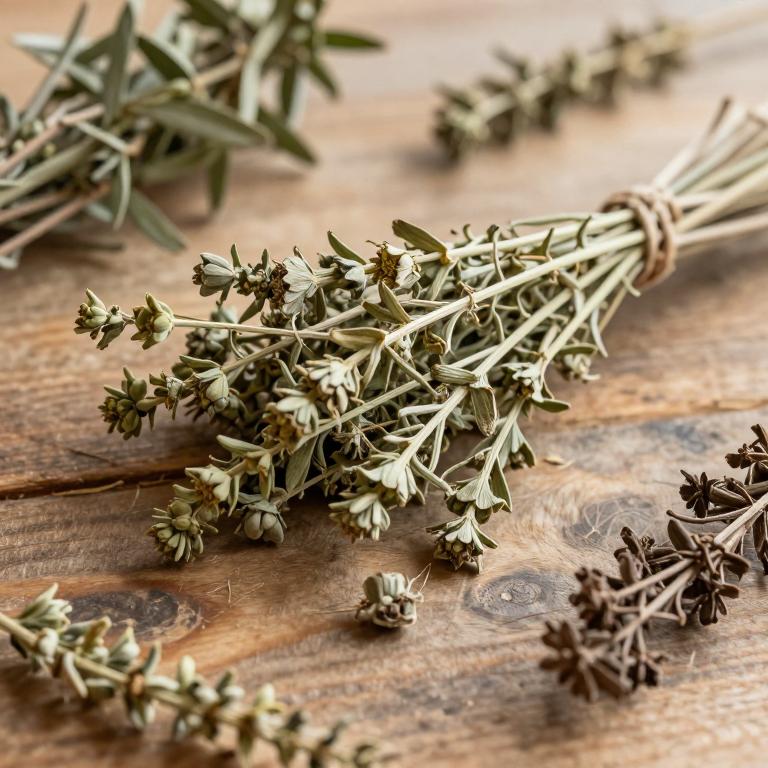
- Synonyms
- Conyza Graeca · Phagnalon Tenorei · 1 more
- Common names
- Not available
- Family
- Asteraceae
- Distribution
- Not available
- Plant Parts
- Not available
Classification
Common Names
Phagnalon graecum is a distinct botanical species known by various regional and linguistic monikers. In English, it is most frequently referred to as the Eastern Phagnalon. The plant also carries specific names across different cultures, such as Bozçalı and the Greek designation fagnalon řecký. In German-speaking regions, it is identified as the Griechische Steinimmortelle, while Danish speakers call it Græsk Stenkurv. These diverse common names reflect the wide geographical reach and cultural presence of this unique plant.
Sources: Catalogue of Life (COL)
Synonyms
Phagnalon graecum is a botanical species that has been subject to various taxonomic reclassifications over time. Within scientific literature, it is frequently identified by its synonym Conyza graeca. The plant is also closely associated with the subspecies designation Phagnalon rupestre subsp. graecum. Furthermore, researchers have historically referenced the taxon under the name Phagnalon tenorei. Understanding these overlapping nomenclature relationships is essential for accurate botanical identification and study.
Sources: The World Checklist of Vascular Plants (WCVP)
Taxonomy
Phagnalon graecum is a fascinating botanical specimen that belongs to the diverse kingdom Plantae. Within this vast kingdom, the plant is classified under the class Equisetopsida. It further belongs to the order Asterales, which helps define its evolutionary placement. As a member of the Asteraceae family, it shares characteristics with a wide array of flowering plants. Ultimately, its specific identity is solidified by its classification within the genus Phagnalon.
| Rank | Classification |
|---|---|
| Kingdom | Plantae |
| Phylum | Streptophyta |
| Class | Equisetopsida |
| Subclass | Magnoliidae |
| Order | Asterales |
| Family | Asteraceae |
| Genus | Phagnalon |
Sources: The World Checklist of Vascular Plants (WCVP)
Distribution
Geographic Regions
Phagnalon graecum exhibits a widespread geographic distribution that spans across several major continents and regions. In Africa, the species is notably present throughout Northern Africa, specifically within the borders of Libya. Its presence extends into the Asia-Temperate zone, where it can be found across Western Asia in Türkiye, Cyprus, and the East Aegean Islands. Furthermore, the plant inhabits parts of Europe, specifically within the Southeastern European landscape of Albania. This broad range highlights the plant's ability to adapt to the diverse environments found throughout the Mediterranean and surrounding areas.
Sources: The World Checklist of Vascular Plants (WCVP)
Identification
Morphology
Phagnalon graecum is characterized by its distinctive growth form as a shrub.
Sources: Global Inventory of Floras and Traits (GIFT)
Biological Activities
Compounds
Conditions
Phagnalon graecum exhibits a wide application spectrum due to its various biological properties. This species possesses documented antidiabetic effects through its extracts and secondary metabolites. Additionally, it demonstrates significant antimicrobial activity against various biological targets. The plant also functions as an effective antioxidant within its medicinal applications. Finally, its therapeutic potential includes antitumor properties that contribute to its diverse use in traditional medicine.
Preparations
Phagnalon graecum is prepared as an essential oil derived from its aerial parts. This specific oil was collected in Greece and underwent detailed chemical analysis using gas chromatography-mass spectrometry. The resulting essential oil is characterized by a high concentration of monoterpene hydrocarbons. Within this chemical profile, β-pinene serves as the primary constituent of the oil. Such studies allow for important chemotaxonomic considerations regarding this plant species.