solnaceae
Petunia · Accepted scientific name
Scientific literature: Very Sparse (4 studies) · ★☆☆☆☆
Solanaceae, scientifically known as Petunia, is a versatile genus of flowering plants renowned for their vibrant blooms. Beyond their ornamental beauty, certain species hold significant medicinal potential. Rich in bioactive compounds, they are studied for their antioxidant and antimicrobial properties, offering fascinating insights into natural pharmacology and therapeutic applications.
- Family
- Solanaceae
- Native range
- Europe
- Parts used
- Not available
- Common names
- Not available
- Scientific synonyms
- Stimoryne
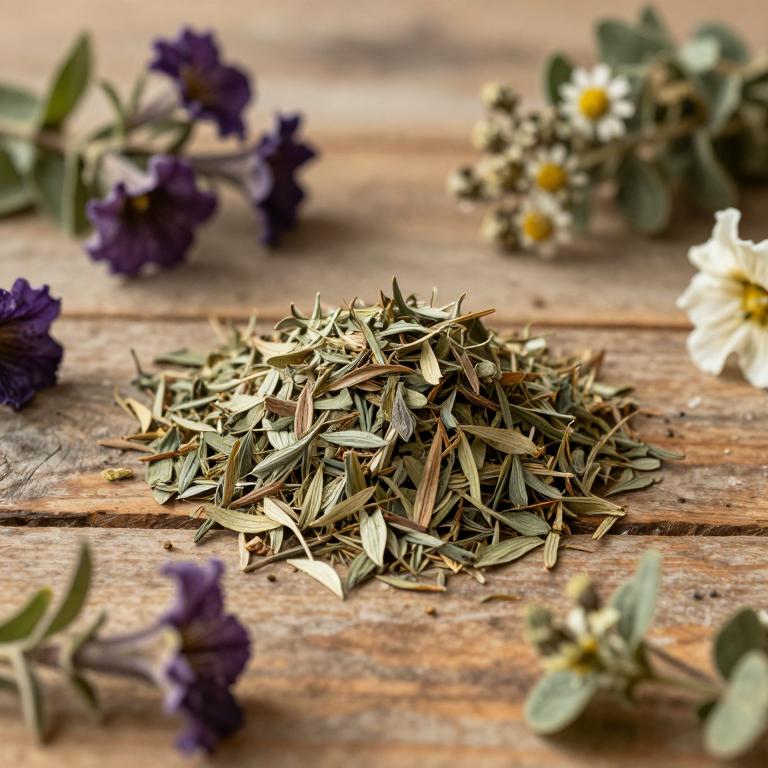
Names and Synonyms
Scientific Names
Accepted name
PetuniaSynonyms
- Stimoryne
Regional and Traditional Names
Spanish:
- Petunias
German:
- Petunien
- Petunie
- Petunie
- Petunien
Sources: Wikidata, Catalogue of Life
Taxonomical Classification
This plant belongs to the kingdom Plantae and the phylum Streptophyta, falling under the class Equisetopsida and subclass Magnoliidae. Within the order Solanales and the family Solanaceae, it is specifically classified under the genus Petunia.
| Rank | Classification |
|---|---|
| Kingdom | Plantae |
| Phylum | Streptophyta |
| Class | Equisetopsida |
| Subclass | Magnoliidae |
| Order | Solanales |
| Family | Solanaceae |
| Genus | Petunia |
Sources: The World Checklist of Vascular Plants (WCVP)
Distribution
This plant exhibits a diverse geographical distribution across various regions of the European continent. In Middle Europe, it can be found growing within the borders of Germany. Moving toward the Mediterranean, it is also established in Southwestern Europe, specifically in Spain. Its presence extends into Southeastern Europe, where it inhabits countries such as Bulgaria and Romania. Finally, this medicinal species is also distributed across the island of Sicilia in Southeastern Europe.
| Region | Area |
|---|---|
| Middle Europe | Germany |
| Southwestern Europe | Spain |
| Southeastern Europe | Bulgaria |
| Southeastern Europe | Romania |
| Southeastern Europe | Sicilia |
| Macaronesia | Canary Is. |
| Macaronesia | Cape Verde |
| South Tropical Africa | Zimbabwe |
| Indian Subcontinent | Assam |
| Indian Subcontinent | India |
Sources: The World Checklist of Vascular Plants (WCVP)
Chemicals
Petunia has 4 reported phytochemicals identified across 0 scientific publications and several other databases. The most consistently reported chemicals include (-)-Germacrene D, ABSCISIC ACID, ETHYLENE, benzaldehyde.
| Chemical | Supporting sources | Consensus |
|---|---|---|
| (-)-Germacrene D | 1 supporting sources | ★☆☆☆☆ |
| ABSCISIC ACID | 1 supporting sources | ★☆☆☆☆ |
| ETHYLENE | 1 supporting sources | ★☆☆☆☆ |
| benzaldehyde | 1 supporting sources | ★☆☆☆☆ |
(-)-Germacrene D
- Science (New York, N.Y.)
ABSCISIC ACID
- Plant cell reports
ETHYLENE
- Plant cell reports
benzaldehyde
- Current opinion in plant biology
Preparations
Petunia has 2 reported preparations identified across 0 scientific publications and several other databases. The most consistently reported preparations include electron microscope preparations, leaves.
| Preparation | Supporting sources | Consensus |
|---|---|---|
| Electron microscope preparations | 1 supporting sources | ★☆☆☆☆ |
| Leaves | 1 supporting sources | ★☆☆☆☆ |
Electron microscope preparations
- Current genetics
Leaves
- The Journal of general virology