Petiveria
Petiveria · Accepted scientific name
Scientific literature: Very Sparse (1 studies) · ★☆☆☆☆
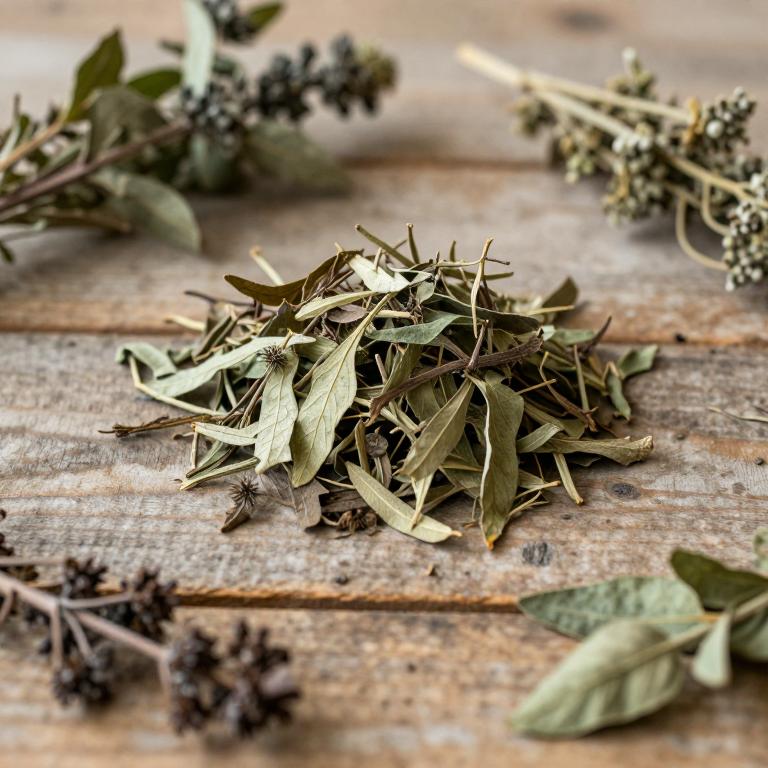
Petiveria is a fascinating genus of plants known for its diverse medicinal potential and unique biological properties. Researchers have focused extensively on studying its various extracts to uncover hidden therapeutic benefits. Among its most notable characteristics is the strong antioxidant activity found within its chemical constituents. These bioactive compounds play a crucial role in combating oxidative stress at a cellular level. Consequently, the plant holds significant promise for future developments in natural pharmacology.
- Synonyms
- Mapa
- Common names
- Not available
- Family
- Petiveriaceae
- Distribution
- Not available
- Plant Parts
- Not available
Classification
Common Names
Petiveria is a versatile genus recognized by a wide array of local and international names. In many English-speaking regions, it is simply referred to as petiveria or petivéria. The plant's linguistic reach extends globally, appearing as Петиверия in Cyrillic scripts and เฮนวีดกินี in Thai. It is also identified in Chinese botanical contexts as 叉果商陆属. These diverse designations highlight the plant's widespread presence across various cultures and scientific communities.
Sources: Catalogue of Life (COL)
Synonyms
Petiveria is a genus of plants that is frequently discussed in botanical studies due to its unique characteristics. Within taxonomic classifications, researchers often note that this plant has a recognized synonym known as Mapa. Understanding these nomenclature shifts is essential for botanists working to catalog global biodiversity accurately. By recognizing both names, scientists can ensure consistency when documenting the species across different regions. This connection between Petiveria and Mapa highlights the evolving nature of botanical identity.
Sources: The World Checklist of Vascular Plants (WCVP)
Taxonomy
Petiveria belongs to the vast kingdom Plantae, representing a diverse group of multicellular organisms. Within this kingdom, it is classified under the class Equisetopsida and the order Caryophyllales. This plant further resides within the specific family Petiveriaceae. Ultimately, its taxonomic identity is defined by its membership in the genus Petiveria. These hierarchical relationships provide a clear biological framework for understanding its place in the natural world.
| Rank | Classification |
|---|---|
| Kingdom | Plantae |
| Phylum | Streptophyta |
| Class | Equisetopsida |
| Subclass | Magnoliidae |
| Order | Caryophyllales |
| Family | Petiveriaceae |
| Genus | Petiveria |
Sources: The World Checklist of Vascular Plants (WCVP)
Distribution
Geographic Regions
Petiveria exhibits a broad and diverse distribution across the African continent. Its presence is noted in Southern Africa, particularly within the KwaZulu-Natal region. Moving toward the west, the plant can be found throughout West Tropical Africa, specifically in nations such as Benin and Nigeria. Its reach further extends into West-Central Tropical Africa, including the DR Congo. Additionally, the species maintains a presence within the unique ecosystem of the Gulf of Guinea Islands.
Sources: The World Checklist of Vascular Plants (WCVP)
Identification
Biological Activities
Petiveria is recognized for its significant medicinal value, which is largely attributed to its potent antioxidant properties. The biological activity of this plant is driven by specific thiosulfinate secondary metabolites, most notably S-benzyl phenylmethanethiosulfinate (BPT). Research suggests that these compounds act as radical-trapping agents through a mechanism involving Cope elimination. This process yields sulfenic acids, which are capable of reacting with peroxyl radicals via a proton-coupled electron transfer. Ultimately, the efficiency of this antioxidant reaction is determined by how easily these thiosulfinates transform into their active sulfenic acid forms.
Compounds
Conditions
Preparations
Petiveria is prepared as extracts to utilize its significant medicinal value. These specific extracts contain thiosulfinate secondary metabolites, such as S-benzyl phenylmethanethiosulfinate (BPT), which drive their biological activities. The antioxidant properties found within these prepared extracts are primarily attributed to the radical-trapping capabilities of these compounds. Research suggests that the effectiveness of the extracts depends on how easily these thiosulfinates undergo Cope elimination to form sulfenic acids. Ultimately, the abundance of these metabolites in the plant dictates the overall antioxidant strength of the resulting extracts.