Petalostigma pubescens
Petalostigma pubescens · Accepted scientific name
Scientific literature: Very Sparse (2 studies) · ★☆☆☆☆
Petalostigma pubescens is a botanical species recognized for its significant therapeutic potential in traditional medicine. Scientific investigations have highlighted its potent antimicrobial and antiviral activities, making it a subject of growing interest. When processed into various extracts, the plant demonstrates effectiveness in combating diverse bacterial and fungal infections. Furthermore, research suggests that its bioactive compounds may play a role in managing conditions such as hypertension. Consequently, this plant serves as a promising natural resource for addressing multiple infectious and physiological ailments.
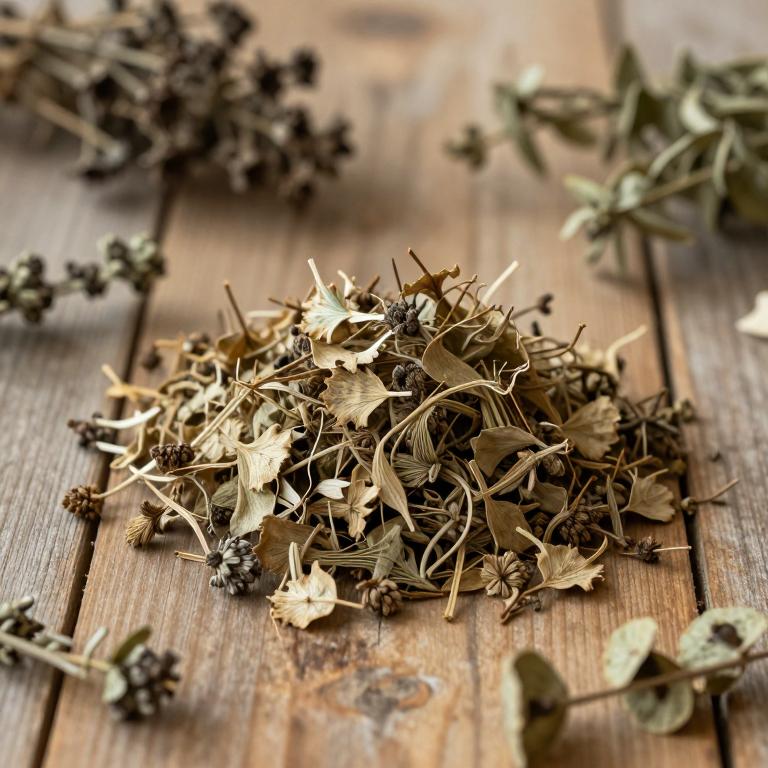
- Synonyms
- Petalostigma Quadriloculare Var. Pubescens · Petalostigma Quadriloculare Var. Nigrum · 1 more
- Common names
- Not available
- Family
- Picrodendraceae
- Distribution
- Not available
- Plant Parts
- Not available
Classification
Common Names
Petalostigma pubescens is a distinctive plant known by several different names across various regions and languages. In certain areas, it is commonly referred to as the pachinínovník páperistý. It is also widely recognized by the English name quinine bush. Furthermore, the species carries the local name درخت گنهگنه in other cultural contexts. These diverse common names reflect the widespread presence and varied linguistic recognition of this unique species.
Sources: Catalogue of Life (COL)
Synonyms
Petalostigma pubescens is a plant species characterized by several important taxonomic synonyms within botanical literature. It is widely recognized under the alternative name Petalostigma nummularium in various scientific records. Furthermore, this species has been formally associated with the synonym Petalostigma quadriloculare var. nigrum. Documentation also links the plant to the variation known as Petalostigma quadriloculare var. pubescens. Understanding these overlapping names is essential for accurate identification and classification in botanical studies.
Sources: The World Checklist of Vascular Plants (WCVP)
Taxonomy
Petalostigma pubescens is a unique biological entity belonging to the kingdom Plantae. Within this vast plant kingdom, it is specifically classified under the class Equisetopsida. The species is further organized into the order Malpighiales, showcasing its evolutionary placement. It finds its botanical home within the family Picrodendraceae, which defines its many structural characteristics. Finally, this plant is identified by its distinct genus, Petalostigma.
| Rank | Classification |
|---|---|
| Kingdom | Plantae |
| Phylum | Streptophyta |
| Class | Equisetopsida |
| Subclass | Magnoliidae |
| Order | Malpighiales |
| Family | Picrodendraceae |
| Genus | Petalostigma |
Sources: The World Checklist of Vascular Plants (WCVP)
Distribution
Geographic Regions
Petalostigma pubescens is a distinctive plant species with a broad geographical reach across several key regions. Its distribution extends into the tropical areas of Asia, specifically within Papuasia and New Guinea. Within the Australasian realm, the species is widely established throughout the diverse landscapes of Australia. It can be found growing in the unique environments of New South Wales, the Northern Territory, and Queensland. Furthermore, its presence is noted across the expansive reaches of Western Australia, showcasing its adaptability to different climates.
Sources: The World Checklist of Vascular Plants (WCVP)
Identification
Morphology
Petalostigma pubescens is a unique tree species characterized by its sturdy, self-supporting growth form. This plant exhibits significant versatility in its stature, ranging from a diminutive height of just 0.7 meters to a more substantial 6.5 meters. Depending on its specific environment, the tree can reach a maximum height of 10 meters. Such a wide developmental range allows it to adapt to various ecological niches within its habitat. Overall, its structural integrity makes it a resilient component of its natural landscape.
Sources: Global Inventory of Floras and Traits (GIFT)
Biological Activities
Petalostigma pubescens holds significant medicinal importance, as evidenced by its traditional use in Australian Aboriginal pharmacopeias. Scientific investigations into the plant's leaf and fruit extracts have confirmed that it possesses potent antimicrobial activity. Specifically, the methanol, water, and ethyl acetate extracts demonstrated a broad ability to inhibit the growth of various bacteria. Furthermore, the species exhibits notable antiviral activity, with certain extracts showing high efficacy in reducing plaque formation. These findings effectively validate the historical therapeutic applications of the plant and highlight its potential for modern medicinal use.
Compounds
Conditions
Petalostigma pubescens effectively inhibits the growth of the bacterium Proteus mirabilis. The plant's extracts also demonstrate potent antibacterial and antifungal properties. Furthermore, the species has shown the ability to treat glucose-induced fluorescent advanced glycation endproducts (AGEs). These medicinal properties contribute to its potential in treating hyperglycaemia through the inhibition of key digestive enzymes. Together, these biological activities highlight the significant therapeutic potential of the plant.
Preparations
Petalostigma pubescens is prepared as extracts to investigate its medicinal potential against specific bacterial triggers. In this study, researchers utilized these extracts to test their ability to inhibit the growth of Proteus mirabilis. Along with several other Australian plant species, the Petalostigma pubescens extracts were identified as highly effective inhibitors of this microbe. These preparations demonstrated potent inhibitory activity with minimum inhibitory concentration values significantly below 1000 μg/ml. Such findings suggest that the extracts derived from this plant may play a role in preventing the onset of rheumatoid arthritis.