Persicaria maculosa var. maculosa
Persicaria maculosa var. maculosa · Accepted scientific name
Scientific literature: Very Sparse (6 studies) · ★☆☆☆☆
, scientifically known as Persicaria maculosa var. maculosa, is a versatile herbaceous plant valued in traditional medicine. Often referred to as Spotted Knotweed, it contains bioactive compounds with potential anti-inflammatory and antimicrobial properties. This resilient species is frequently studied for its therapeutic applications in treating various skin conditions and ailments.
- Family
- Polygonaceae
- Native range
- Europe
- Parts used
- Not available
- Common names
- Not available
- Scientific synonyms
- Persicaria Dolichopoda · Polygonum Persicaria Var. Opacum · 71 more
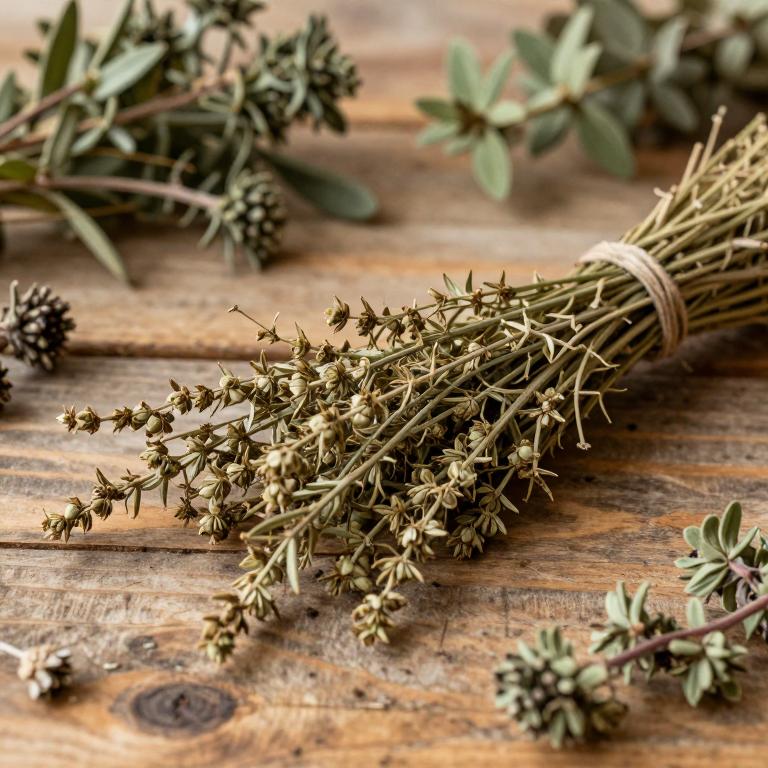
Names and Synonyms
Scientific Names
Accepted name
Persicaria maculosa var. maculosaSynonyms
- Persicaria dolichopoda
- Polygonum persicaria var. opacum
- Persicaria opaca
- Polygonum persicaria var. biforme
- Persicaria maculosa var. ruderalis
- Polygonum persicaria var. elatius
- Polygonum persicaria var. agreste
- Polygonum persicaria var. elatum
- Polygonum persicaria subsp. agreste
- Polygonum persicaria f. prostratum
- Polygonum dichopodum
- Persicaria dichopoda
- Persicaria maculosa var. biformis
- Polygonum pallidiflorum
- Polygonum humifixum
- Polygonum arnassense
- Polygonum rubelliflorum
- Polygonum caniusculum
- Polygonum lugdunense
- Polygonum nisus
- Polygonum ilophilum
- Polygonum rhombaeum
- Persicaria ruderalis var. vulgaris
- Polygonum elatiusculum
- Persicaria ruderalis f. angustifolia
- Polygonum hirtovaginum
- Persicaria fusiformis
- Polygonum praelongum
- Persicaria fallax
- Polygonum interruptellum
- Polygonum camptocladum
- Polygonum persicaria subsp. rechingeri
- Polygonum persicaria proles agreste
- Polygonum persicaria proles biforme
- Polygonum persicaria proles ruderale
- Polygonum persicaria subsp. densiflorum
- Polygonum rechingeri
- Polygonum pseudobiforme
- Persicaria maculosa var. argentea
- Polygonum lamellosum
- Polygonum longipilum
- Polygonum albescens
- Polygonum debilius
- Polygonum subsimplex
- Polygonum erythrocladum
- Polygonum subcanum
- Polygonum rufescens
- Polygonum intermixtum
- Polygonum orthocladum
- Polygonum ovatolanceolatum
- Polygonum millepunctatum
- Polygonum lacunosum
- Polygonum persicaria var. vulgare
- Polygonum persicaria var. minus
- Polygonum lorinseri
- Polygonum niloticum
- Polygonum opacum
- Polygonum fusiforme
- Polygonum biforme
- Persicaria interrupta
- Persicaria incana
- Persicaria granulata
- Persicaria lorinseri
- Polygonum vernum
- Polygonum dolichopodum
- Polygonum persicaria f. albiflorum
- Polygonum persicaria f. angustifolium
- Polygonum persicaria f. humile
- Persicaria pulicariodea
- Persicaria vulgaris
- Persicaria rivularis
- Persicaria pusilla
- Persicaria salicifolia
Taxonomical Classification
This plant belongs to the kingdom Plantae and the phylum Streptophyta, falling under the class Equisetopsida and subclass Magnoliidae. Within the order Caryophyllales, it is classified under the family Polygonaceae. Finally, it is identified by the genus Persicaria, specifically as the variety maculosa.
| Rank | Classification |
|---|---|
| Kingdom | Plantae |
| Phylum | Streptophyta |
| Class | Equisetopsida |
| Subclass | Magnoliidae |
| Order | Caryophyllales |
| Family | Polygonaceae |
| Genus | Persicaria |
Sources: The World Checklist of Vascular Plants (WCVP)
Distribution
This plant exhibits a specific distribution pattern across several regions of Northern Europe. It can be found growing in the natural landscapes of Denmark and Finland. Additionally, its presence extends to the remote territories of the Førøya Islands. The species is also documented within the borders of Great Britain. Finally, its geographical range reaches as far as the island of Iceland.
| Region | Area |
|---|---|
| Northern Europe | Denmark |
| Northern Europe | Finland |
| Northern Europe | Føroyar |
| Northern Europe | Great Britain |
| Northern Europe | Iceland |
| Northern Europe | Ireland |
| Northern Europe | Norway |
| Northern Europe | Sweden |
| Middle Europe | Austria |
| Middle Europe | Belgium |
Sources: The World Checklist of Vascular Plants (WCVP)
Chemicals
Persicaria maculosa var. maculosa has 1 reported phytochemicals identified across 0 scientific publications and several other databases. The most consistently reported chemicals include Polygodial.
| Chemical | Supporting sources | Consensus |
|---|---|---|
| Polygodial | 1 supporting sources | ★☆☆☆☆ |
Polygodial
- Memorias do Instituto Oswaldo Cruz
Activities
Persicaria maculosa var. maculosa has 3 reported activities identified across 0 scientific publications and several other databases. The most consistently reported activities include Antibiotic, Antiinflammatory, Antiseptic.
| Activity | Supporting sources | Consensus |
|---|---|---|
| Antibiotic | 1 supporting sources | ★☆☆☆☆ |
| Antiinflammatory | 1 supporting sources | ★☆☆☆☆ |
| Antiseptic | 1 supporting sources | ★☆☆☆☆ |
Antibiotic
- Memorias do Instituto Oswaldo Cruz
Antiinflammatory
- Phytomedicine : international journal of phytotherapy and phytopharmacology
Antiseptic
- Journal of ethnopharmacology
Preparations
Persicaria maculosa var. maculosa has 3 reported preparations identified across 0 scientific publications and several other databases. The most consistently reported preparations include aqueous extract, aqueous extracts, dichloromethane extract of the aerial parts.
| Preparation | Supporting sources | Consensus |
|---|---|---|
| Aqueous extract | 1 supporting sources | ★☆☆☆☆ |
| Aqueous extracts | 1 supporting sources | ★☆☆☆☆ |
| Dichloromethane extract of the aerial parts | 1 supporting sources | ★☆☆☆☆ |
Aqueous extract
- Phytomedicine : international journal of phytotherapy and phytopharmacology
Aqueous extracts
- Journal of ethnopharmacology
Dichloromethane extract of the aerial parts
- Memorias do Instituto Oswaldo Cruz