Persea cordata
Persea cordata · Accepted scientific name
Scientific literature: Very Sparse (2 studies) · ★☆☆☆☆
Persea cordata, scientifically known as Persea cordata, is a remarkable medicinal plant valued for its diverse therapeutic properties. Found in specific tropical regions, this species is traditionally utilized to treat various ailments. Its bioactive compounds offer significant potential for pharmacological research, highlighting its importance in natural medicine and wellness.
- Family
- Not available
- Native range
- Southern America
- Parts used
- Stem
- Common names
- Not available
- Scientific synonyms
- Not available
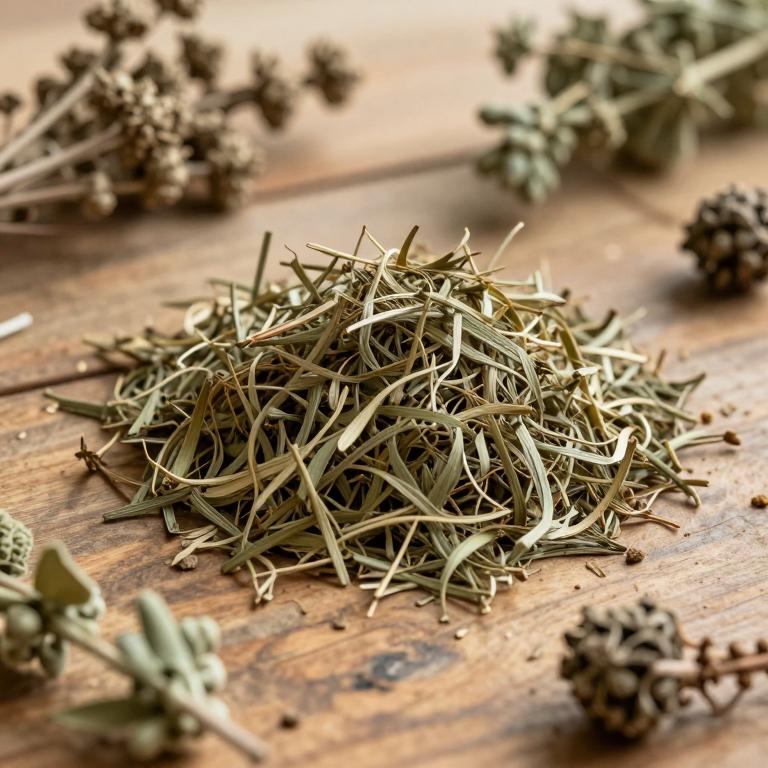
Names and Synonyms
Scientific Names
Accepted name
Persea cordataDistribution
This plant is known to have a specific geographical distribution within the South American continent. It is primarily located within the vast territory of Brazil. More specifically, its occurrence is concentrated in the Southeast region of the country. This localized presence suggests that the species thrives under the particular environmental conditions found in those Brazilian states. Consequently, researchers focusing on this medicinal plant often direct their field studies toward this particular area.
| Region | Area |
|---|---|
| Brazil | Brazil Southeast |
Sources: The World Checklist of Vascular Plants (WCVP)
Botanical Identification
Ecology
The ecology of Persea cordata is intrinsically linked to the high-humidity environments of the Floresta Ombrófila, also known as the tropical rainforest or rain forest. Within these ecosystems, the species thrives under the dense canopy, where it occupies specific niches characterized by high annual precipitation and consistent moisture availability. This habitat provides the complex stratified structure and shaded microclimates necessary for its growth, as well as the rich, organic soil layers typical of these humid forest systems. The plant's presence is a reflection of the stable thermal conditions and the high biological productivity inherent to the Floresta Ombrófila, where it plays a role in the nutrient cycling and structural complexity of the rainforest community.
- Habitat :
- Floresta Ombrófila (= Floresta Pluvial)
Morphology
The morphology of Persea cordata is characterized by its growth form as a woody tree, which reaches a maximum plant height of approximately 8 m. This species functions as an independent organism, lacking any parasitic tendencies, and is classified as a terrestrial plant rather than an aquatic or semiaquatic species. In terms of its structural habit, it is described as a self-supporting plant, categorized as both a self-supporting climber and a self-supporting liana/vine structure, though it maintains its primary identity as a tree. Furthermore, it does not exhibit epiphytic behavior, remaining strictly terrestrial in its ecological positioning.
- Aquatic :
- terrestrial
- Climber :
- self-supporting
- Epiphyte :
- terrestrial
- Growth form :
- tree
- Parasite :
- independent
- Plant height max:
- 8 m
- Woodiness :
- woody
Sources: Global Inventory of Floras and Traits (GIFT)
Plant Parts
Persea cordata has 1 reported plant parts identified across 1 scientific publications and several other databases that are studied for medicinal purposes. The most consistently reported plant part include stem.
| Plant part | Supporting sources | Consensus |
|---|---|---|
| Stem | 1 supporting sources | ★☆☆☆☆ |
Stem
- Fitoterapia
Conditions
Persea cordata has 1 reported investigations on conditions identified across 1 scientific publications and several other databases. The most consistently reported conditions include infectious diseases.
| Condition | Supporting sources | Consensus |
|---|---|---|
| Infectious diseases | 1 supporting sources | ★☆☆☆☆ |
Infectious diseases
- Fitoterapia
Preparations
Persea cordata has 6 reported preparations identified across 1 scientific publications and several other databases. The most consistently reported preparations include BuOH fraction, EtAc and BuOH polar fractions, EtAc fraction, Persea cordata polar fractions, butanol (BuOH) polar fractions.
| Preparation | Supporting sources | Consensus |
|---|---|---|
| Buoh fraction | 1 supporting sources | ★☆☆☆☆ |
| Etac and buoh polar fractions | 1 supporting sources | ★☆☆☆☆ |
| Etac fraction | 1 supporting sources | ★☆☆☆☆ |
| Persea cordata polar fractions | 1 supporting sources | ★☆☆☆☆ |
| Butanol (buoh) polar fractions | 1 supporting sources | ★☆☆☆☆ |
| Ethyl acetate (etac) polar fractions | 1 supporting sources | ★☆☆☆☆ |
Buoh fraction
- Journal of ethnopharmacology
Etac and buoh polar fractions
- Journal of ethnopharmacology
Etac fraction
- Journal of ethnopharmacology
Persea cordata polar fractions
- Journal of ethnopharmacology
Butanol (buoh) polar fractions
- Journal of ethnopharmacology
Ethyl acetate (etac) polar fractions
- Journal of ethnopharmacology