Periploca hydaspidis
Periploca hydaspidis · Accepted scientific name
Scientific literature: Very Sparse (8 studies) · ★☆☆☆☆
Periploca hydaspidis, scientifically known as Periploca hydaspidis, is a significant medicinal shrub native to tropical regions. Valued in traditional medicine, it possesses unique phytochemical properties used to treat various ailments. Understanding its botanical characteristics and therapeutic potential is essential for exploring its role in natural pharmacology and holistic wellness.
- Family
- Apocynaceae
- Native range
- Asia-Tropical
- Parts used
- Root
- Common names
- Not available
- Scientific synonyms
- Not available
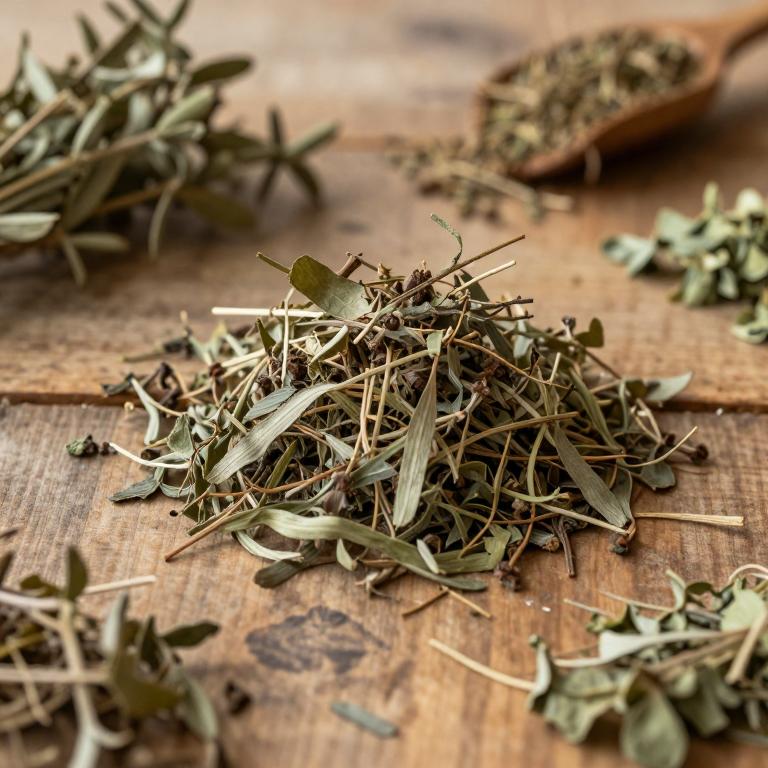
Names and Synonyms
Scientific Names
Accepted name
Periploca hydaspidisSources: Wikidata
Taxonomical Classification
This plant belongs to the kingdom Plantae and the phylum Streptophyta, falling under the class Equisetopsida and subclass Magnoliidae. Within the order Gentianales, it is classified under the family Apocynaceae. Finally, it is identified by its specific genus, Periploca, and species name, Periploca hydaspidis.
| Rank | Classification |
|---|---|
| Kingdom | Plantae |
| Phylum | Streptophyta |
| Class | Equisetopsida |
| Subclass | Magnoliidae |
| Order | Gentianales |
| Family | Apocynaceae |
| Genus | Periploca |
Sources: The World Checklist of Vascular Plants (WCVP)
Distribution
This plant is primarily distributed across the diverse landscapes of the Indian Subcontinent. Within this vast region, it can be found growing throughout the various terrains of India. Its presence also extends into the neighboring territories of Pakistan. Furthermore, the species is specifically documented to inhabit the West Himalaya. These distinct locations highlight the specific ecological range of Periploca hydaspidis.
| Region | Area |
|---|---|
| Indian Subcontinent | India |
| Indian Subcontinent | Pakistan |
| Indian Subcontinent | West Himalaya |
Sources: The World Checklist of Vascular Plants (WCVP)
Plant Parts
Periploca hydaspidis has 1 reported plant parts identified across 1 scientific publications and several other databases that are studied for medicinal purposes. The most consistently reported plant part include root.
| Plant part | Supporting sources | Consensus |
|---|---|---|
| Root | 1 supporting sources | ★☆☆☆☆ |
Root
- Pakistan journal of pharmaceutical sciences
Chemicals
Periploca hydaspidis has 7 reported phytochemicals identified across 1 scientific publications and several other databases. The most consistently reported chemicals include Alkenes, Decanal, Decanoic acid, Dioxane, Furanol.
| Chemical | Supporting sources | Consensus |
|---|---|---|
| Alkenes | 1 supporting sources | ★☆☆☆☆ |
| Decanal | 1 supporting sources | ★☆☆☆☆ |
| Decanoic acid | 1 supporting sources | ★☆☆☆☆ |
| Dioxane | 1 supporting sources | ★☆☆☆☆ |
| Furanol | 1 supporting sources | ★☆☆☆☆ |
| Lupeol | 1 supporting sources | ★☆☆☆☆ |
| Oxirane | 1 supporting sources | ★☆☆☆☆ |
Alkenes
- Pakistan journal of pharmaceutical sciences
Decanal
- Pakistan journal of pharmaceutical sciences
Decanoic acid
- Pakistan journal of pharmaceutical sciences
Dioxane
- Pakistan journal of pharmaceutical sciences
Furanol
- Pakistan journal of pharmaceutical sciences
Lupeol
- Pakistan journal of pharmaceutical sciences
Oxirane
- Pakistan journal of pharmaceutical sciences
Preparations
Periploca hydaspidis has 4 reported preparations identified across 1 scientific publications and several other databases. The most consistently reported preparations include Methanol extracted samples, ethyl acetate extracted samples, n-hexane extracted samples, plant boiled extract.
| Preparation | Supporting sources | Consensus |
|---|---|---|
| Methanol extracted samples | 1 supporting sources | ★☆☆☆☆ |
| Ethyl acetate extracted samples | 1 supporting sources | ★☆☆☆☆ |
| N-hexane extracted samples | 1 supporting sources | ★☆☆☆☆ |
| Plant boiled extract | 1 supporting sources | ★☆☆☆☆ |
Methanol extracted samples
- Pakistan journal of pharmaceutical sciences
Ethyl acetate extracted samples
- Pakistan journal of pharmaceutical sciences
N-hexane extracted samples
- Pakistan journal of pharmaceutical sciences
Plant boiled extract
- Pakistan journal of pharmaceutical sciences