Perilla
Perilla · Accepted scientific name
Scientific literature: Very Sparse (6 studies) · ★☆☆☆☆
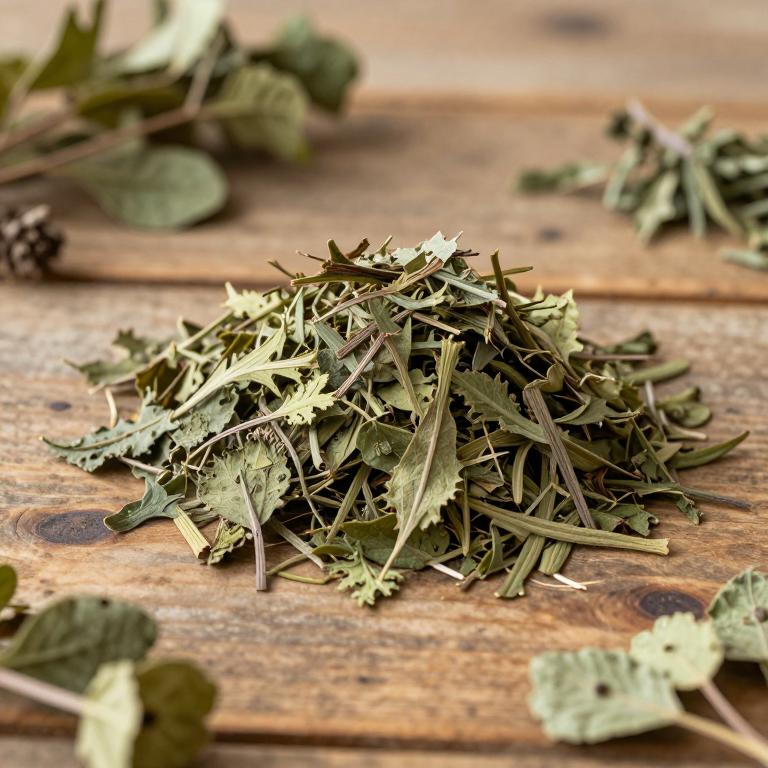
Perilla is a versatile plant whose leaves and seeds are utilized in various therapeutic preparations, including essential oils, crude extracts, and Saiboku-to decoctions. The plant is rich in bioactive compounds such as fatty acids, perillaldehyde, anthocyanins, and carotenoids. These chemical constituents contribute to a wide range of medicinal activities, most notably antioxidant and antimicrobial properties. Furthermore, research highlights its significant potential in providing anticancer and antidepressant effects. Through these diverse applications, Perilla serves as a powerful botanical resource in both traditional and modern medicine.
- Synonyms
- Dentidia
- Common names
- Not available
- Family
- Lamiaceae
- Distribution
- Asia-Temperate
- Plant Parts
- Leaf · Seed
Classification
Common Names
Perilla is a versatile plant known by several distinct names across different regions and languages. It is frequently referred to simply as perilla or perila in various culinary contexts. In certain areas, it may be identified by the name Zwarte netel. Some enthusiasts also recognize it under the term bladmyntesläktet to describe its botanical characteristics. Additionally, the plant is sometimes known as veripeipit, showcasing its diverse linguistic identity.
Sources: Catalogue of Life (COL)
Synonyms
Perilla is a versatile plant that is recognized in botanical circles by several different names. One such scientific synonym for this species is Dentidia, a term that highlights its taxonomic connections. Understanding these naming variations is essential for researchers and gardeners who wish to identify the plant accurately. While different texts may use these labels interchangeably, they all refer to the same unique organism. Recognizing both names ensures that the plant's medicinal and culinary properties are correctly attributed in various studies.
Sources: The World Checklist of Vascular Plants (WCVP)
Taxonomy
Perilla belongs to the vast kingdom Plantae, representing a diverse group of multicellular organisms. Within this kingdom, the plant is classified under the class Equisetopsida. It specifically falls under the order Lamiales, a group known for its distinct botanical characteristics. Further narrowing its identity, it is part of the family Lamiaceae, which includes many aromatic herbs. Finally, the plant is distinguished by its specific genus, Perilla.
| Rank | Classification |
|---|---|
| Kingdom | Plantae |
| Phylum | Streptophyta |
| Class | Equisetopsida |
| Subclass | Magnoliidae |
| Order | Lamiales |
| Family | Lamiaceae |
| Genus | Perilla |
Sources: The World Checklist of Vascular Plants (WCVP)
Distribution
Geographic Regions
Perilla is a versatile plant with a widespread distribution across several key geographic regions. It is commonly found throughout the Asia-Temperate zones, stretching from the Caucasus and Transcaucasus into much of Eastern Asia. Within China, its presence is particularly notable, spanning from the South-Central and Southeast regions to the northern reaches of Inner Mongolia. The plant also maintains a significant ecological footprint in Japan, further cementing its importance to the Eastern Asian landscape. This extensive range highlights the plant's adaptability to diverse temperate climates across the continent.
Sources: The World Checklist of Vascular Plants (WCVP)
Identification
Biological Activities
Perilla is a versatile member of the Lamiaceae family that possesses a wide range of significant biological activities. Research indicates that the plant exhibits potent antimicrobial and antioxidant properties, making it valuable for medicinal and preventive products. Furthermore, studies have highlighted its potential anticancer effects, suggesting its importance in specialized therapeutic applications. Beyond physical health, perilla has demonstrated antidepressant capabilities, offering benefits for mental well-being. The plant also functions as a sedative, a trait traditionally recognized in various ethnomedicinal practices.
Compounds
Perilla is a versatile plant recognized for its significant medicinal, culinary, and ornamental value. Detailed phytochemical analyses have revealed that it contains a diverse array of bioactive compounds, including flavonoids and carotenoids. Furthermore, the plant is a rich source of essential nutrients and chemical constituents such as fatty acids and gallic acid. Research also highlights the presence of anthocyanins, which contribute to the distinct color variations observed between green and purple phenotypes. Together, these various chemical relationships underscore the plant's complex biological profile and its potential for diverse therapeutic applications.
Conditions
Preparations
Perilla is prepared as essential oil, which is utilized for various pharmaceutical, nutritional, and industrial purposes such as perfumes and cosmetics. This plant is also prepared as crude oil, serving both consumption and industrial applications. In medicinal contexts, Perilla is prepared as Saiboku-to, a Kampo formula used to treat allergic diseases like bronchial asthma. This herbal remedy is further prepared as a Saiboku-to decoction, which has demonstrated significant anti-allergic effects in studies. Additionally, Perilla is prepared as crude extracts that have shown potential for inhibiting pathogens in agricultural applications.
Parts used
Perilla is a versatile plant genus that is widely utilized for its medicinal, edible, and export qualities. Scientific research emphasizes the importance of both the leaf and the seed as key components for authentication and cultivation. For instance, molecular markers such as SNPs are used to accurately identify different varieties by analyzing the genetic makeup of the seeds and leaves. Additionally, the leaves serve as a primary source for extracting essential oils, which vary significantly in chemical composition across different chemotypes. Understanding these specific plant parts is essential for optimizing the resource management and defensive capabilities of Perilla varieties.