Perilla frutescens var. crispa
Perilla frutescens var. crispa · Accepted scientific name
Scientific literature: Very Sparse (0 studies) · ★☆☆☆☆
Perilla frutescens var. crispa is a versatile medicinal herb utilized across various traditional practices. The plant contains significant bioactive compounds, most notably the pigment anthocyanin, which is found throughout its leaves, flowers, fruits, and stems. Researchers have focused on its therapeutic potential, particularly through the use of dichloromethane extracts and preparations from PFA fruits. Studies suggest that this plant may play a role in managing complex biological conditions such as obesity and neuroinflammation. Furthermore, its chemical properties show promise in modulating Cyclooxygenase 1 activity within the body.
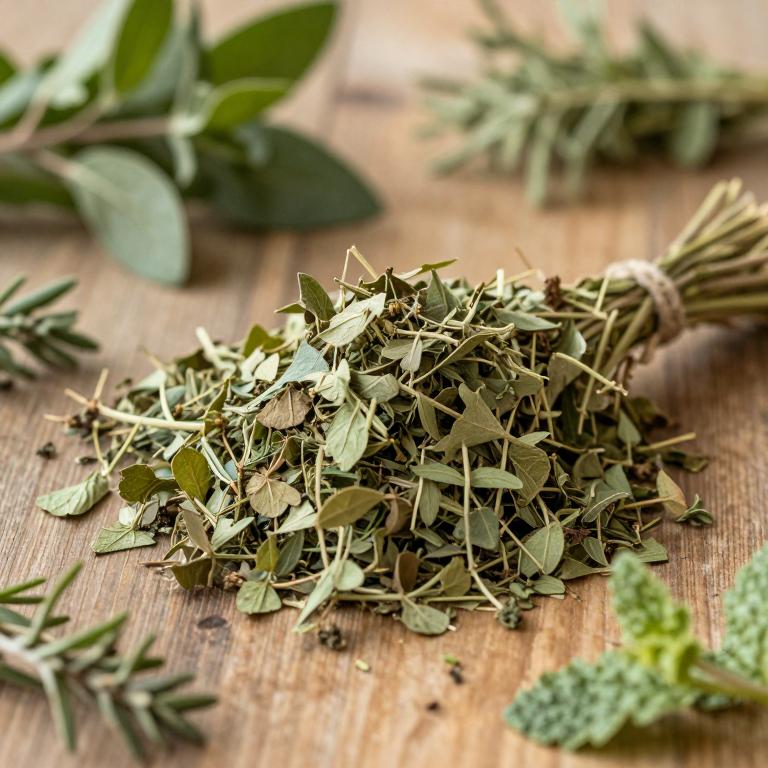
- Synonyms
- Dentidia Nankinensis · Dentidia Purpurascens · 18 more
- Common names
- Not available
- Family
- Lamiaceae
- Distribution
- Not available
- Plant Parts
- Leaf · Flower
Classification
Common Names
Perilla frutescens var. crispa is a versatile plant known by many different names across various cultures and languages. In Southeast Asia, it is commonly referred to as Pokok Pudina Jepun, highlighting its unique aromatic qualities. It is also widely recognized by the name Shiso, which is frequently used in culinary contexts. Depending on the region, you may encounter it called kähäräveripeippi or the Japanese term カタメンジソ. Finally, it is most simply identified in Japan as シソ, reflecting its deep roots in East Asian traditions.
Sources: Catalogue of Life (COL)
Synonyms
Perilla frutescens var. crispa is a botanical subject that is frequently identified through various taxonomic synonyms. Within scientific literature, this plant is often referred to by the names Dentidia nankinensis and Dentidia purpurascens. It also appears under the designations Dentidia purpurea and Ocimum acutum in different historical contexts. Furthermore, the name Ocimum crispum is recognized as an additional synonym for this specific variety. Understanding these overlapping nomenclatures is essential for accurate identification and classification in botanical studies.
Sources: The World Checklist of Vascular Plants (WCVP)
Taxonomy
Perilla frutescens var. crispa is a unique botanical specimen that belongs to the vast kingdom Plantae. Within this expansive realm, the plant is specifically classified under the class Equisetopsida. It further occupies the order Lamiales, showcasing its distinct evolutionary lineage. As a member of the Lamiaceae family, it shares common characteristics with many well-known aromatic herbs. Ultimately, this plant is identified by its specific genus, Perilla, which defines its essential biological identity.
| Rank | Classification |
|---|---|
| Kingdom | Plantae |
| Phylum | Streptophyta |
| Class | Equisetopsida |
| Subclass | Magnoliidae |
| Order | Lamiales |
| Family | Lamiaceae |
| Genus | Perilla |
Sources: The World Checklist of Vascular Plants (WCVP)
Distribution
Geographic Regions
Perilla frutescens var. crispa is a versatile plant with a wide geographical presence spanning across several continents. In its native regions, it is commonly found throughout the temperate areas of Eastern Asia, including Japan and Korea. The species has also established a significant presence in North America, particularly within the United States. Its distribution includes the North-Central regions of the country, specifically within the states of Illinois and Missouri. Additionally, this variety can be found extending into the Northeastern United States, with notable occurrences in Connecticut.
Sources: The World Checklist of Vascular Plants (WCVP)
Identification
Biological Activities
Compounds
Perilla frutescens var. crispa is a complex medicinal plant characterized by a diverse array of essential chemical constituents. Scientific analyses have confirmed that this variety contains significant amounts of rosmarinic acid and anthocyanin, which contribute to its unique biological properties and color variations. In addition to these secondary metabolites, the plant's chemical profile includes important sugars such as D-fructose and D-glucose. Furthermore, the presence of fatty acids within its composition highlights its multifaceted nutritional and medicinal value. Together, these diverse components underscore the importance of studying the metabolic profiles of this specific variety.
Conditions
Perilla frutescens var. crispa serves as a therapeutic agent against Alzheimer's disease (AD) and its associated pathologies. The plant effectively treats Alzheimer's disease-like pathology by modulating various disease hallmarks. It specifically treats Aβ aggregation and works to disassemble pre-formed Aβ aggregates. Furthermore, the plant treats Aβ aggregates-induced LTP impairment, protecting hippocampal function. Finally, Perilla frutescens var. crispa treats Aβ aggregates-induced memory impairment, offering a promising approach for cognitive management.
Preparations
Perilla frutescens var. crispa is prepared as PFA fruits, which possess high medicinal value due to specific metabolite contents. This plant is also prepared as a dichloromethane extract to facilitate the isolation of bioactive compounds. Additionally, the leaves of the variety are frequently used as a source for phytochemical investigation. Ultimately, Perilla frutescens var. crispa is prepared as a medicinal herb used widely in various regions.
Parts used
Perilla frutescens var. crispa is a versatile medicinal plant characterized by several distinct anatomical parts. Research utilizing NMR spectroscopy has successfully profiled the unique metabolites found within its leaves and flowers. The leaves are particularly noted for their high content of amino acids, organic acids, and aromatic compounds like rosmarinic acid. Beyond these components, the plant also produces fruit and stems that contribute to its overall chemical complexity. Understanding these different parts is essential for evaluating the plant's medicinal value and its role as a significant honeybee forage.