Perezia multiflora
Perezia multiflora · Accepted scientific name
Scientific literature: Very Sparse (0 studies) · ★☆☆☆☆
Perezia multiflora is a notable botanical species that has garnered significant interest in pharmacological research. Scientists frequently investigate this plant to explore the therapeutic potential held within its chemical composition. Various studies focus on the biological activities found in its crude extracts to identify beneficial compounds. Additionally, refined extracts are prepared to isolate specific bioactive molecules for more targeted applications. Understanding these preparations is essential for advancing the medicinal utility of this unique plant.
- Synonyms
- Chaetanthera Multiflora · Homanthis Multiflorus · 1 more
- Common names
- Not available
- Family
- Asteraceae
- Distribution
- Not available
- Plant Parts
- Not available
Classification
Common Names
Perezia multiflora is a distinctive plant that is known by several different monikers depending on the region. It is frequently referred to by the common name chancoruma in various botanical circles. Additionally, many people recognize this species under the name escorzonera. These overlapping identities highlight the diverse ways in which the plant is categorized by local communities. Understanding these various names helps enthusiasts navigate the complex world of plant nomenclature.
Sources: Catalogue of Life (COL)
Synonyms
Perezia multiflora is a plant species that has been identified by several different botanical names throughout history. In various scientific records, it is recognized by the synonym Chaetanthera multiflora. The plant is also documented under the name Homanthis multiflorus in certain taxonomical contexts. Additionally, the name Homoianthus multiflorus serves as another valid synonym for this particular species. Understanding these various nomenclatures is essential for researchers navigating complex botanical classifications.
Sources: The World Checklist of Vascular Plants (WCVP)
Taxonomy
Perezia multiflora is a unique botanical specimen that belongs to the vast kingdom Plantae. Within this kingdom, the plant is classified under the class Equisetopsida. It further descends through the order Asterales, showcasing its evolutionary lineage. As a member of the Asteraceae family, it shares characteristics with many well-known flowering species. Ultimately, this plant is defined by its specific placement within the genus Perezia.
| Rank | Classification |
|---|---|
| Kingdom | Plantae |
| Phylum | Streptophyta |
| Class | Equisetopsida |
| Subclass | Magnoliidae |
| Order | Asterales |
| Family | Asteraceae |
| Genus | Perezia |
Sources: The World Checklist of Vascular Plants (WCVP)
Distribution
Geographic Regions
Perezia multiflora is a resilient species widely distributed across various regions of Southern America. Its presence is notably established throughout Brazil, stretching across different southern territories of the country. In the southern reaches of the continent, the plant flourishes within the diverse landscapes of Argentina, including its northeast, northwest, and southern sectors. Furthermore, its natural habitat extends into the northern regions of Chile. This broad geographic range highlights the plant's ability to adapt to the varied climates found throughout the southern tip of the Americas.
Sources: The World Checklist of Vascular Plants (WCVP)
Identification
Morphology
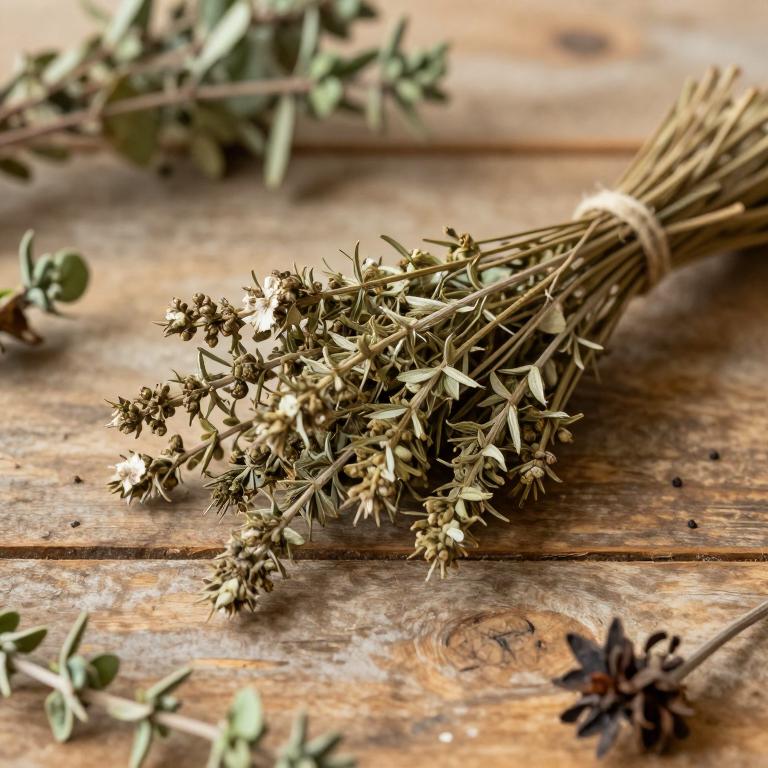
Perezia multiflora is a self-supporting herb characterized by its compact and sturdy growth form. This resilient plant typically reaches a maximum height of only 0.5 meters. Its modest stature makes it an ideal choice for low-profile landscaping or groundcover applications.
Sources: Global Inventory of Floras and Traits (GIFT)
Biological Activities
Compounds
Conditions
Preparations
Perezia multiflora is prepared as ethanol extracts to investigate its medicinal potential against hepatocellular carcinoma. These specific extracts were tested for their antiproliferative activity against the Hep3B cell line. Research indicates that crude extracts of Perezia multiflora are capable of modifying microtubule cytoskeletal dynamics in cells during interphase. The preparation of these extracts allows for the observation of original cellular phenotypes in response to the plant's compounds. Consequently, the study utilizes these prepared extracts to identify mechanisms for potential cancer treatment.