Peperomia rotundifolia
Peperomia rotundifolia · Accepted scientific name
Scientific literature: Very Sparse (0 studies) · ★☆☆☆☆
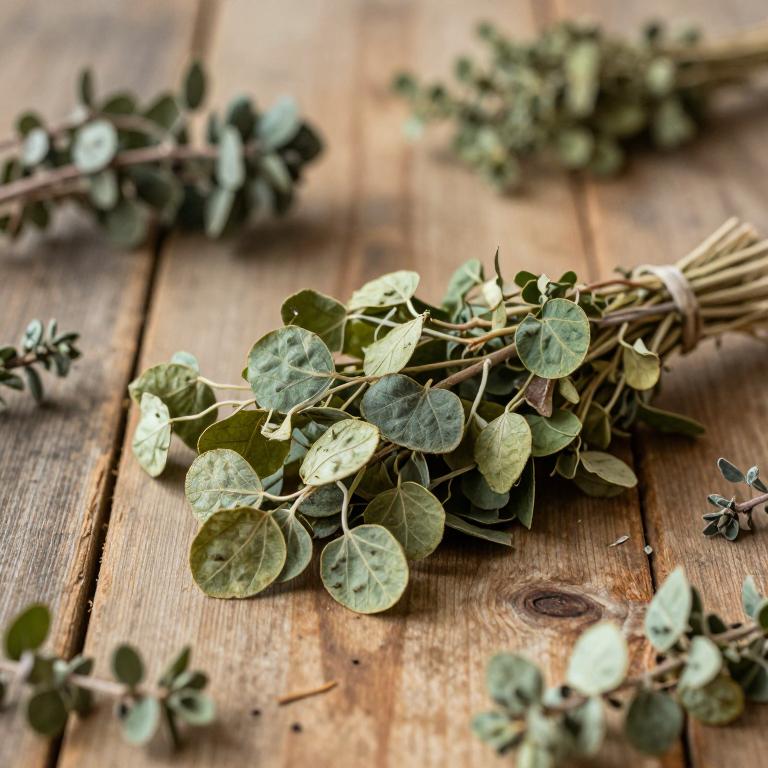
Peperomia rotundifolia, commonly known as trailing rubber plant, is a charming succulent prized for its tiny, heart-shaped leaves. This compact species thrives in bright, indirect light and prefers well-draining soil to prevent moisture buildup. It is an excellent choice for indoor gardeners looking to add a lush, cascading texture to hanging baskets or shelves. Despite its delicate appearance, this plant is relatively easy to care for and adapts well to various indoor environments. Whether used as a tabletop accent or a trailing accent, it brings a touch of miniature jungle magic to any space.
- Synonyms
- Acrocarpidium Guayaquillense · Piper Rotundifolium · 28 more
- Common names
- Not available
- Family
- Piperaceae
- Distribution
- Not available
- Plant Parts
- Not available
Classification
Common Names
Peperomia rotundifolia is a versatile plant known by a wide variety of regional and descriptive names. It is frequently referred to as Moreau or Mowan, though in Trinidad and Tobago, it is commonly called Mowor. Some enthusiasts identify the species as linspeperomia, while others use the name Yerba linda. In certain contexts, it is also affectionately known as Cocoa Mint. These diverse monikers reflect the plant's widespread presence and cultural significance across different areas.
Sources: Catalogue of Life (COL)
Synonyms
Peperomia rotundifolia is a complex species that has historically been identified through several different botanical names. Within the scientific literature, it is closely linked to various synonyms classified under the genus Acrocarpidium. These taxonomic connections include Acrocarpidium brevipes, Acrocarpidium guayaquillense, and Acrocarpidium mexicanum. Furthermore, the plant is associated with the name Acrocarpidium nummulariifolium, as well as its specific form, Acrocarpidium nummulariifolium f. pilosior. Understanding these overlapping relationships is essential for accurate identification and botanical study.
Sources: The World Checklist of Vascular Plants (WCVP)
Taxonomy
Peperomia rotundifolia belongs to the vast kingdom Plantae, representing the diverse world of living plants. Within this kingdom, it is classified under the class Equisetopsida and falls into the specific order Piperales. Its taxonomic journey continues through the family Piperaceae, which links it to many other aromatic species. Further narrowing its identity, the plant is a member of the distinct genus Peperomia. This systematic hierarchy provides a clear biological framework for understanding this unique species.
| Rank | Classification |
|---|---|
| Kingdom | Plantae |
| Phylum | Streptophyta |
| Class | Equisetopsida |
| Subclass | Magnoliidae |
| Order | Piperales |
| Family | Piperaceae |
| Genus | Peperomia |
Sources: The World Checklist of Vascular Plants (WCVP)
Distribution
Geographic Regions
Peperomia rotundifolia is a versatile plant with a diverse geographic distribution that spans multiple continents. In Africa, its presence is noted within the tropical regions of West-Central Africa, specifically in Cameroon. The species also thrives across various territories in Northern America, with a significant concentration found throughout Mexico. Its reach in Mexico is extensive, covering the Central, Northeast, Southeast, and Gulf regions. This broad range highlights the plant's ability to adapt to different environmental conditions across these distinct landscapes.
Sources: The World Checklist of Vascular Plants (WCVP)
Identification
Morphology
Peperomia rotundifolia is a charming herb characterized by its distinct growth form. As a self-supporting plant, it maintains its structure naturally without the need for external assistance. This species typically reaches a minimum height of 0.1 m as it begins to establish itself. However, it often continues to grow until it reaches a more substantial height of at least 0.4 m.
Sources: Global Inventory of Floras and Traits (GIFT)
Biological Activities
Compounds
Conditions
Peperomia rotundifolia is identified as a plant that shows potential efficacy in treating various ailments. Research indicates that this species may be used to address internal parasites within the body. It is also noted for its possible ability to treat pain. Furthermore, the plant is recognized for its potential role in treating stomach problems. These medicinal relationships suggest that further scientific study of its properties is warranted.