Peperomia pseudopereskiifolia
Peperomia pseudopereskiifolia · Accepted scientific name
Scientific literature: Very Sparse (0 studies) · ★☆☆☆☆
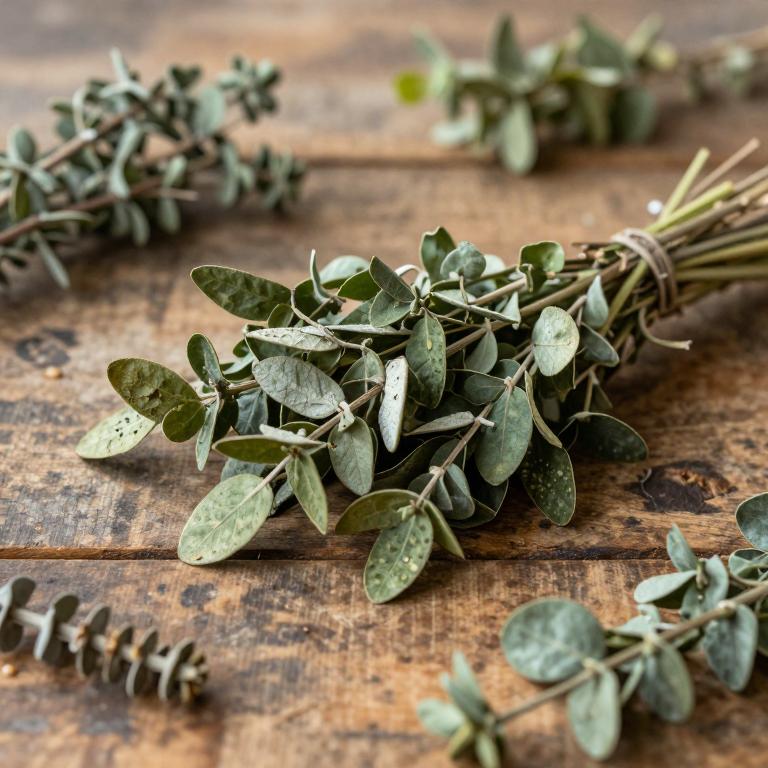
Peperomia pseudopereskiifolia is a popular succulent species frequently cultivated for its compact growth habit and textured foliage. Beyond its ornamental appeal, this plant has become a subject of interest in various pharmacological investigations. Researchers have focused on the biological potential of the species by utilizing specialized chemical preparations. Specifically, the study of methanolic extracts has provided significant insights into the plant's secondary metabolites. These extractions serve as a critical step in identifying the bioactive compounds responsible for its diverse properties.
- Synonyms
- Peperomia Jarisiana · Peperomia Guanacastana · 2 more
- Common names
- Not available
- Family
- Piperaceae
- Distribution
- Northern America
- Plant Parts
- Not available
Classification
Synonyms
Peperomia pseudopereskiifolia is a versatile species that has been categorized under several different botanical names throughout history. Scientific literature identifies various synonyms for this plant, including Peperomia chartacea and Peperomia guanacastana. It is also frequently referred to in older texts as Peperomia jarisiana. Furthermore, the name Peperomia nemoralis serves as another recognized synonym within its taxonomic complex. Understanding these overlapping relationships is essential for accurate plant identification and study.
Sources: The World Checklist of Vascular Plants (WCVP)
Taxonomy
Peperomia pseudopereskiifolia belongs to the vast kingdom Plantae, encompassing a diverse array of multicellular organisms. Within this kingdom, it is specifically classified under the class Equisetopsida. This plant further belongs to the order Piperales, which connects it to a unique group of flowering plants. It is a prominent member of the genus Peperomia, known for its distinctive foliage and compact growth habits. Finally, its biological identity is solidified within the family Piperaceae, grouping it alongside its close botanical relatives.
| Rank | Classification |
|---|---|
| Kingdom | Plantae |
| Phylum | Streptophyta |
| Class | Equisetopsida |
| Subclass | Magnoliidae |
| Order | Piperales |
| Family | Piperaceae |
| Genus | Peperomia |
Sources: The World Checklist of Vascular Plants (WCVP)
Distribution
Geographic Regions
Peperomia pseudopereskiifolia boasts a diverse geographical range that spans across multiple continents. In North America, this species is widely distributed throughout various regions of Mexico, including the Gulf, Southeast, and Southwest territories. Its presence extends southward into South America, where it can be found thriving in Northern Brazil. Additionally, the plant reaches into the Caribbean, specifically inhabiting the Cayman Islands. This broad distribution highlights the adaptability of the species across varied tropical and subtropical environments.
Sources: The World Checklist of Vascular Plants (WCVP)
Identification
Morphology
Peperomia pseudopereskiifolia is characterized by its distinct herb growth form. This compact plant is entirely self-supporting, allowing it to maintain its structure without the need for external assistance.
Sources: Global Inventory of Floras and Traits (GIFT)
Biological Activities
Compounds
Conditions
Peperomia pseudopereskiifolia demonstrates significant anti-trypanosomal activity against the parasite Trypanosoma cruzi. In a screening of Salvadoran flora, methanolic extracts of this specific plant species were tested for their ability to inhibit the protozoan. The study revealed that Peperomia pseudopereskiifolia effectively reduced parasite viability to 52.0% or less when used at a concentration of 100 µg/mL. This biological interaction identifies the plant as a potential source of therapeutic agents for treating Chagas disease. Consequently, the species serves as a notable candidate in the search for natural treatments against T. cruzi.
Preparations
Peperomia pseudopereskiifolia is prepared as methanolic extracts to facilitate scientific screening. These specific extracts were tested against the protozoan parasite Trypanosoma cruzi to evaluate their potential anti-trypanosomal activity. During the study of Salvadoran flora, the plant demonstrated significant efficacy by reducing parasite viability to 52.0% or less at a concentration of 100 µg/mL. This preparation allowed researchers to identify the species as one of the four effective plants among the thirty-eight tested. Consequently, the use of methanolic extracts proved essential in demonstrating the medicinal properties of Peperomia pseudopereskiifolia.