Peperomia pereskiifolia
Peperomia pereskiifolia · Accepted scientific name
Scientific literature: Very Extensive (222 studies) · ★★★★★
Peperomia persicifolia, scientifically known as Peperomia persicifolia, is a captivating ornamental plant cherished for its lush, glossy foliage. Beyond its aesthetic appeal, this species holds significant interest in ethnobotany. Often used in traditional wellness practices, it serves as a fascinating subject for studying natural bioactive compounds and medicinal properties.
- Family
- Not available
- Native range
- Southern America
- Parts used
- Not available
- Common names
- Not available
- Scientific synonyms
- Not available
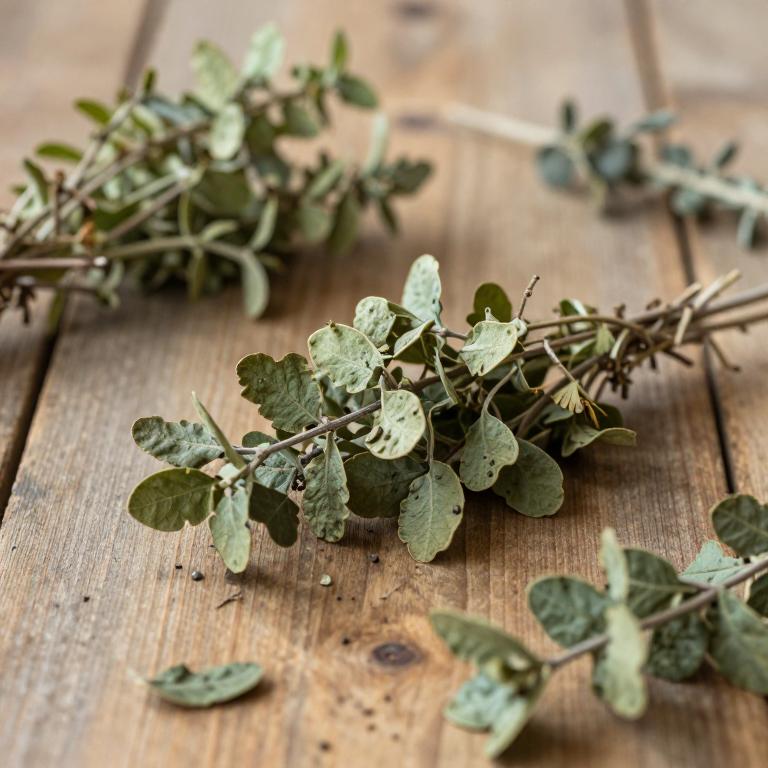
Names and Synonyms
Scientific Names
Accepted name
Peperomia pereskiifoliaDistribution
This plant is primarily found within a very specific region of the continent. Its documented geographical distribution is limited to Northern South America. Specifically, the species is native to the territory of Venezuela. Because its range is so localized, it remains a niche component of the regional flora. Understanding this restricted habitat is essential for the conservation of the species.
| Region | Area |
|---|---|
| Northern South America | Venezuela |
Sources: The World Checklist of Vascular Plants (WCVP)
Botanical Identification
Ecology
The ecology of Peperomia pereskiifolia is characterized by its distribution across a significant altitudinal gradient, ranging from sea level up to an elevation of 2350 m AMSL. This plant is primarily found within specialized forest ecosystems, specifically inhabiting Bosque alto and gallery forest environments. These habitats provide the necessary structural complexity and moisture regimes required for its growth, allowing it to persist from lowland tropical zones to higher montane elevations.
- Elevational range max:
- 2350 m AMSL
- Elevational range min:
- 0 m AMSL
- Habitat :
- Bosque alto, gallery forest
Life history
The life history of Peperomia pereskiiifolia is characterized by its status as a perennial organism, allowing it to persist through multiple growing seasons rather than completing its cycle in a single year. As a perennial, the plant maintains a continuous presence in its natural habitat, often developing robust vegetative structures that enable long-term survival and repeated reproductive efforts. This extended lifecycle allows the plant to establish a stable foothold in its environment, utilizing its perennial nature to endure fluctuating seasonal conditions and gradually expand its footprint through sustained growth and periodic flowering cycles.
- Lifecycle :
- perennial
Morphology
The morphology of Peperomia pereskii is characterized by a growth form primarily identified as a non-woody herb. This plant functions as an independent organism, lacking any parasitic tendencies, and exhibits a terrestrial habit, although its ecological niche can span across aquatic, semiaquatic, and terrestrial environments. While it possesses climbing capabilities, it is categorized as a self-supporting climber rather than an obligatory vine or liana. Furthermore, its epiphytic nature is classified as holoepiphytic, though it maintains a strong terrestrial presence. Structurally, the plant remains non-woody throughout its development, maintaining the soft, herbaceous tissue characteristic of its growth form.
- Aquatic :
- terrestrial
- Climber :
- self-supporting
- Epiphyte :
- holoepiphyte
- Epiphyte :
- terrestrial
- Growth form :
- herb
- Parasite :
- independent
- Woodiness :
- non-woody
Sources: Global Inventory of Floras and Traits (GIFT)
Chemicals
Peperomia pereskiifolia has 12 reported phytochemicals identified across 0 scientific publications and several other databases. The most consistently reported chemicals include Ash, CALCIUM, IRON, PHOSPHORUS, POTASSIUM.
| Chemical | Supporting sources | Consensus |
|---|---|---|
| Ash | 1 supporting sources | ★☆☆☆☆ |
| CALCIUM | 1 supporting sources | ★☆☆☆☆ |
| IRON | 1 supporting sources | ★☆☆☆☆ |
| PHOSPHORUS | 1 supporting sources | ★☆☆☆☆ |
| POTASSIUM | 1 supporting sources | ★☆☆☆☆ |
| SODIUM | 1 supporting sources | ★☆☆☆☆ |
| ascorbic acid | 1 supporting sources | ★☆☆☆☆ |
| beta-carotene | 1 supporting sources | ★☆☆☆☆ |
| niacin | 1 supporting sources | ★☆☆☆☆ |
| riboflavin | 1 supporting sources | ★☆☆☆☆ |
Ash
- Dr. Duke
CALCIUM
- Dr. Duke
IRON
- Dr. Duke
PHOSPHORUS
- Dr. Duke
POTASSIUM
- Dr. Duke
SODIUM
- Dr. Duke
ascorbic acid
- Dr. Duke
beta-carotene
- Dr. Duke
niacin
- Dr. Duke
riboflavin
- Dr. Duke
Activities
Peperomia pereskiifolia has 210 reported activities identified across 0 scientific publications and several other databases. The most consistently reported activities include Acidulant, Aldose-Reductase-Inhibitor, Allergenic, Analgesic, Androgenic?.
| Activity | Supporting sources | Consensus |
|---|---|---|
| Acidulant | 1 supporting sources | ★☆☆☆☆ |
| Aldose-Reductase-Inhibitor | 1 supporting sources | ★☆☆☆☆ |
| Allergenic | 1 supporting sources | ★☆☆☆☆ |
| Analgesic | 1 supporting sources | ★☆☆☆☆ |
| Androgenic? | 1 supporting sources | ★☆☆☆☆ |
| Angiotensin-Receptor-Blocker | 1 supporting sources | ★☆☆☆☆ |
| AntiAGE | 1 supporting sources | ★☆☆☆☆ |
| AntiCFS | 1 supporting sources | ★☆☆☆☆ |
| AntiCTS | 1 supporting sources | ★☆☆☆☆ |
| AntiCrohn's | 1 supporting sources | ★☆☆☆☆ |
Acidulant
- Dr. Duke
Aldose-Reductase-Inhibitor
- Dr. Duke
Allergenic
- Dr. Duke
Analgesic
- Dr. Duke
Androgenic?
- Dr. Duke
Angiotensin-Receptor-Blocker
- Dr. Duke
AntiAGE
- Dr. Duke
AntiCFS
- Dr. Duke
AntiCTS
- Dr. Duke
AntiCrohn's
- Dr. Duke