Peganum
Peganum · Accepted scientific name
Scientific literature: Very Sparse (23 studies) · ★☆☆☆☆
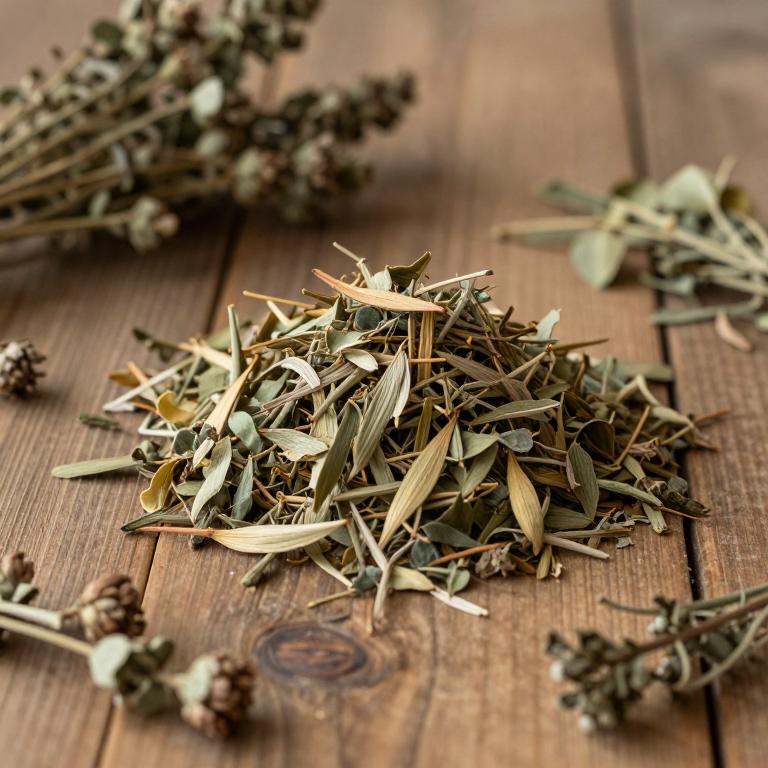
, scientifically known as Peganum, is a versatile genus of plants celebrated in traditional medicine for its diverse therapeutic properties. Often recognized for its calming and anti-inflammatory effects, species like Peganum harmala contain potent alkaloids. These unique compounds make it a significant subject in modern pharmacological research and studies.
- Family
- Nitrariaceae
- Native range
- Europe
- Parts used
- Not available
- Common names
- Not available
- Scientific synonyms
- Harmala
Names and Synonyms
Scientific Names
Accepted name
PeganumSynonyms
- Harmala
Sources: Wikidata, Catalogue of Life
Taxonomical Classification
This plant belongs to the kingdom Plantae and is classified under the phylum Streptophyta within the class Equisetopsida. Further taxonomic details place it in the subclass Magnoliidae and the order Sapindales, falling under the family Nitrariaceae. Ultimately, it is categorized within the genus Peganum.
| Rank | Classification |
|---|---|
| Kingdom | Plantae |
| Phylum | Streptophyta |
| Class | Equisetopsida |
| Subclass | Magnoliidae |
| Order | Sapindales |
| Family | Nitrariaceae |
| Genus | Peganum |
Sources: The World Checklist of Vascular Plants (WCVP)
Distribution
This plant exhibits a diverse geographical distribution across several regions of Europe. In Middle Europe, its presence can be specifically noted in Hungary. Moving toward the Mediterranean, it is found throughout various parts of Southwestern Europe. This includes populations located in France as well as the islands of Baleares and Sardegna. Finally, the species is also widely distributed across the mainland of Spain.
| Region | Area |
|---|---|
| Middle Europe | Hungary |
| Southwestern Europe | Baleares |
| Southwestern Europe | France |
| Southwestern Europe | Sardegna |
| Southwestern Europe | Spain |
| Southeastern Europe | Bulgaria |
| Southeastern Europe | Greece |
| Southeastern Europe | Italy |
| Southeastern Europe | Romania |
| Southeastern Europe | Türkiye-in-Europe |
Sources: The World Checklist of Vascular Plants (WCVP)
Chemicals
Peganum has 2 reported phytochemicals identified across 0 scientific publications and several other databases. The most consistently reported chemicals include Flavonoids, HARMINE.
| Chemical | Supporting sources | Consensus |
|---|---|---|
| Flavonoids | 1 supporting sources | ★☆☆☆☆ |
| HARMINE | 1 supporting sources | ★☆☆☆☆ |
Flavonoids
- Journal of ethnopharmacology
HARMINE
- Medical hypotheses
Activities
Peganum has 6 reported activities identified across 0 scientific publications and several other databases. The most consistently reported activities include Anticoagulant, Antidiabetic, Antimicrobial, Antioxidant, Antitumor.
| Activity | Supporting sources | Consensus |
|---|---|---|
| Anticoagulant | 1 supporting sources | ★☆☆☆☆ |
| Antidiabetic | 1 supporting sources | ★☆☆☆☆ |
| Antimicrobial | 1 supporting sources | ★☆☆☆☆ |
| Antioxidant | 1 supporting sources | ★☆☆☆☆ |
| Antitumor | 1 supporting sources | ★☆☆☆☆ |
| Hypoglycemic | 1 supporting sources | ★☆☆☆☆ |
Anticoagulant
- Journal of ethnopharmacology
Antidiabetic
- Journal of ethnopharmacology
Antimicrobial
- Journal of ethnopharmacology
Antioxidant
- Journal of ethnopharmacology
Antitumor
- Journal of ethnopharmacology
Hypoglycemic
- Journal of ethnopharmacology
Conditions
Peganum has 10 reported investigations on conditions identified across 0 scientific publications and several other databases. The most consistently reported conditions include asthma, cough, hypertension, lumbago, Alzheimer's disease.
| Condition | Supporting sources | Consensus |
|---|---|---|
| Asthma | 2 supporting sources | ★☆☆☆☆ |
| Cough | 2 supporting sources | ★☆☆☆☆ |
| Hypertension | 2 supporting sources | ★☆☆☆☆ |
| Lumbago | 2 supporting sources | ★☆☆☆☆ |
| Alzheimer's disease | 1 supporting sources | ★☆☆☆☆ |
| Cancer | 1 supporting sources | ★☆☆☆☆ |
| Colic | 1 supporting sources | ★☆☆☆☆ |
| Jaundice | 1 supporting sources | ★☆☆☆☆ |
| Presbyopia | 1 supporting sources | ★☆☆☆☆ |
| Vision | 1 supporting sources | ★☆☆☆☆ |
Asthma
- Molecules (Basel, Switzerland)
- Journal of ethnopharmacology
Cough
- Molecules (Basel, Switzerland)
- Journal of ethnopharmacology
Hypertension
- Molecules (Basel, Switzerland)
- Journal of ethnopharmacology
Lumbago
- Molecules (Basel, Switzerland)
- Journal of ethnopharmacology
Alzheimer's disease
- Molecules (Basel, Switzerland)
Cancer
- Journal of ethnopharmacology
Colic
- Journal of ethnopharmacology
Jaundice
- Journal of ethnopharmacology
Presbyopia
- Medical hypotheses
Vision
- Medical hypotheses