lousewort
Pedicularis · Accepted scientific name
Scientific literature: Very Sparse (14 studies) · ★☆☆☆☆
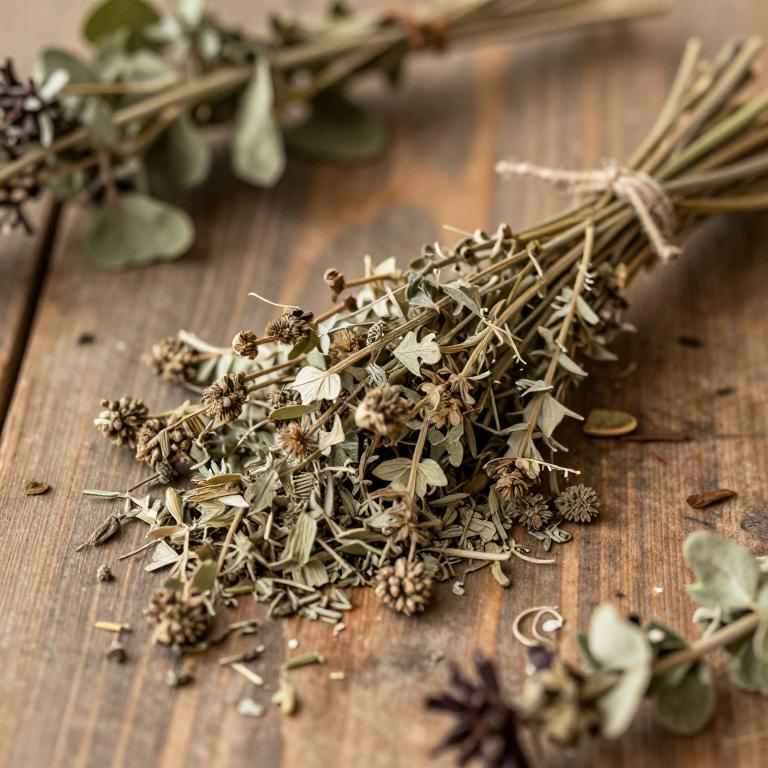
Lousewort, scientifically known as Pedicularis, is a diverse genus of flowering plants within the Orobanchaceae family. Renowned for their unique, hooded blossoms, these hemi-parasitic perennials often thrive in alpine and meadow ecosystems. Historically valued in traditional medicine, they remain significant subjects in botanical studies and ecological research worldwide.
Names and Synonyms
Common Names
- lousewort
- wood-betony
- Louseworts
Scientific Names
Accepted name
PedicularisSynonyms
- Pediculariopsis
- Scepanium
- Elephantella
- Enslenia
- Prosopia
- Sceptrum
Regional and Traditional Names
Spanish:
- Pediculariopsis
German:
- Läusekräuter
- Läusekraut
- Läusekraut
- Läusekräuter
French:
- Pédicularis
- Pédiculaire
- pédiculaire
- Pédiculaires
Sources: Wikidata, Catalogue of Life
Taxonomical Classification
This plant belongs to the kingdom Plantae and the phylum Streptophyta, falling under the class Equisetopsida and subclass Magnoliidae. Within the order Lamiales, it is classified under the family Orobanchaceae. Ultimately, its taxonomic designation is defined by the genus Pedicularis.
| Rank | Classification |
|---|---|
| Kingdom | Plantae |
| Phylum | Streptophyta |
| Class | Equisetopsida |
| Subclass | Magnoliidae |
| Order | Lamiales |
| Family | Orobanchaceae |
| Genus | Pedicularis |
Sources: The World Checklist of Vascular Plants (WCVP)
Distribution
This plant exhibits a specific geographical range concentrated within the northern regions of Europe. Its presence is documented across various territories, including Denmark and Finland. It can also be found in the North Atlantic areas of Iceland and the Faroe Islands, known as Føroyaar. Additionally, the species extends its reach to the islands of Great Britain. Together, these locations define the primary northern distribution of the Pedicularis genus.
| Region | Area |
|---|---|
| Northern Europe | Denmark |
| Northern Europe | Finland |
| Northern Europe | Føroyar |
| Northern Europe | Great Britain |
| Northern Europe | Iceland |
| Northern Europe | Ireland |
| Northern Europe | Norway |
| Northern Europe | Svalbard |
| Northern Europe | Sweden |
| Middle Europe | Austria |
Sources: The World Checklist of Vascular Plants (WCVP)
Chemicals
Pedicularis has 8 reported phytochemicals identified across 0 scientific publications and several other databases. The most consistently reported chemicals include Cistanoside D, Echinacoside, Pedicularioside A, Acteoside, Isoacteoside.
| Chemical | Supporting sources | Consensus |
|---|---|---|
| Cistanoside D | 2 supporting sources | ★☆☆☆☆ |
| Echinacoside | 2 supporting sources | ★☆☆☆☆ |
| Pedicularioside A | 2 supporting sources | ★☆☆☆☆ |
| Acteoside | 1 supporting sources | ★☆☆☆☆ |
| Isoacteoside | 1 supporting sources | ★☆☆☆☆ |
| Permethylacteoside | 1 supporting sources | ★☆☆☆☆ |
| Verbascoside | 1 supporting sources | ★☆☆☆☆ |
| isoverbascoside | 1 supporting sources | ★☆☆☆☆ |
Cistanoside D
- Chemistry and physics of lipids
- Planta medica
Echinacoside
- Chemistry and physics of lipids
- Planta medica
Pedicularioside A
- Chemistry and physics of lipids
- Planta medica
Acteoside
- Planta medica
Isoacteoside
- Planta medica
Permethylacteoside
- Planta medica
Verbascoside
- Chemistry and physics of lipids
isoverbascoside
- Chemistry and physics of lipids
Conditions
Pedicularis has 3 reported investigations on conditions identified across 0 scientific publications and several other databases. The most consistently reported conditions include fevers, rheumatism, sterility.
| Condition | Supporting sources | Consensus |
|---|---|---|
| Fevers | 1 supporting sources | ★☆☆☆☆ |
| Rheumatism | 1 supporting sources | ★☆☆☆☆ |
| Sterility | 1 supporting sources | ★☆☆☆☆ |
Fevers
- Biomedicine & pharmacotherapy = Biomedecine & pharmacotherapie
Rheumatism
- Biomedicine & pharmacotherapy = Biomedecine & pharmacotherapie
Sterility
- Biomedicine & pharmacotherapy = Biomedecine & pharmacotherapie