Patrinia
Patrinia · Accepted scientific name
Scientific literature: Very Sparse (6 studies) · ★☆☆☆☆
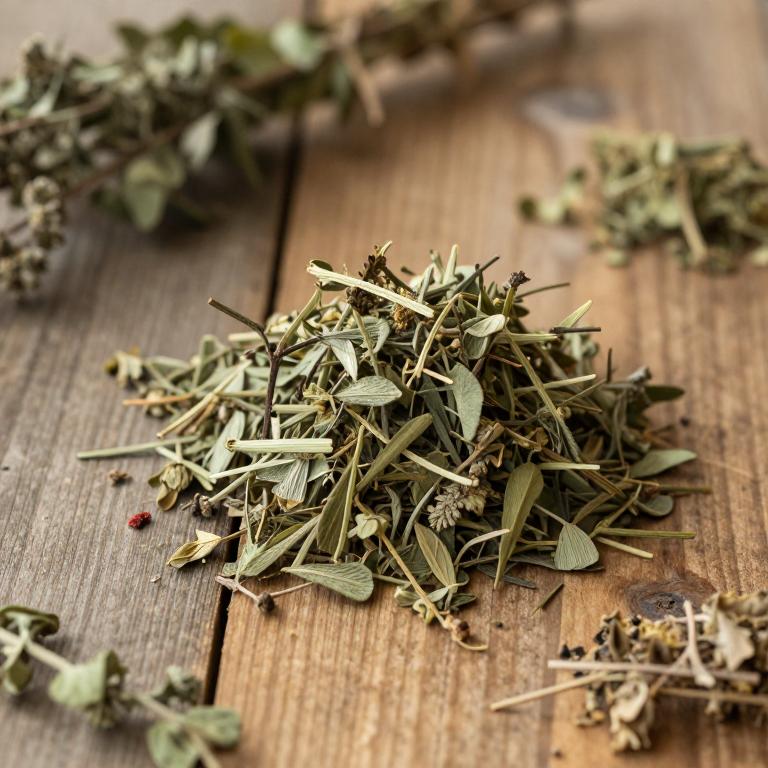
Scientifically known as Patrinia, is a versatile medicinal herb renowned for its diverse therapeutic properties. Often used in traditional wellness practices, this plant offers significant antioxidant and anti-inflammatory benefits. Its unique bioactive compounds make it a valuable subject of study for supporting holistic health and natural healing processes.
- Family
- Caprifoliaceae
- Native range
- Europe
- Parts used
- Not available
- Common names
- Not available
- Scientific synonyms
- Gytonanthus · Clarkeifedia
Names and Synonyms
Scientific Names
Accepted name
PatriniaSynonyms
- Gytonanthus
- Clarkeifedia
Regional and Traditional Names
German:
- Goldbaldrian
Sources: Wikidata, Catalogue of Life
Taxonomical Classification
This plant belongs to the kingdom Plantae within the phylum Streptophyta and the class Equisetopsida. Classified under the subclass Magnoliidae and the order Dipsacales, it is a member of the family Caprifoliaceae. Ultimately, its specific taxonomic identity is defined by the genus Patrinia.
| Rank | Classification |
|---|---|
| Kingdom | Plantae |
| Phylum | Streptophyta |
| Class | Equisetopsida |
| Subclass | Magnoliidae |
| Order | Dipsacales |
| Family | Caprifoliaceae |
| Genus | Patrinia |
Sources: The World Checklist of Vascular Plants (WCVP)
Distribution
This plant exhibits a broad geographical range stretching across several distinct regions of the Eurasian continent. In Middle Europe, its presence is specifically noted within the borders of Germany. Moving eastward, the species can be found throughout the vast territories of East European Russia. The Siberian landscape also serves as a significant habitat, with populations located in the Altay region. Furthermore, the distribution extends to other Siberian areas, including Buryatiya and Chitа.
| Region | Area |
|---|---|
| Middle Europe | Germany |
| Eastern Europe | East European Russia |
| Siberia | Altay |
| Siberia | Buryatiya |
| Siberia | Chita |
| Siberia | Irkutsk |
| Siberia | Krasnoyarsk |
| Siberia | Tuva |
| Siberia | West Siberia |
| Siberia | Yakutiya |
Sources: The World Checklist of Vascular Plants (WCVP)
Activities
Patrinia has 3 reported activities identified across 0 scientific publications and several other databases. The most consistently reported activities include Antibacterial, Antitumor, Antiviral.
| Activity | Supporting sources | Consensus |
|---|---|---|
| Antibacterial | 1 supporting sources | ★☆☆☆☆ |
| Antitumor | 1 supporting sources | ★☆☆☆☆ |
| Antiviral | 1 supporting sources | ★☆☆☆☆ |
Antibacterial
- The American journal of Chinese medicine
Antitumor
- The American journal of Chinese medicine
Antiviral
- The American journal of Chinese medicine
Conditions
Patrinia has 3 reported investigations on conditions identified across 0 scientific publications and several other databases. The most consistently reported conditions include dysentery, erysipelas, liver cancer.
| Condition | Supporting sources | Consensus |
|---|---|---|
| Dysentery | 1 supporting sources | ★☆☆☆☆ |
| Erysipelas | 1 supporting sources | ★☆☆☆☆ |
| Liver cancer | 1 supporting sources | ★☆☆☆☆ |
Dysentery
- The American journal of Chinese medicine
Erysipelas
- The American journal of Chinese medicine
Liver cancer
- European journal of pharmacology